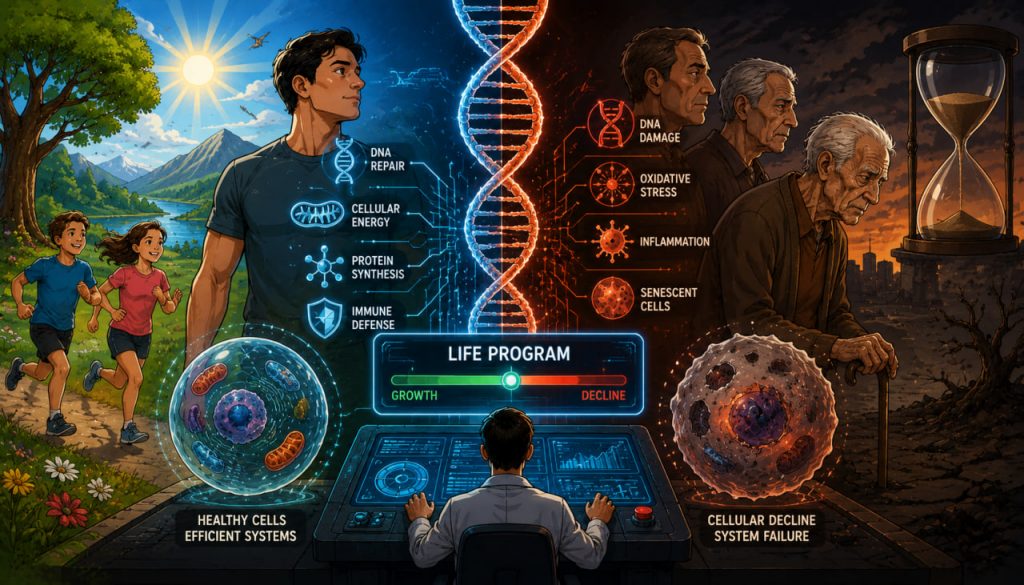
Why do living organisms age? It is one of the oldest and most fascinating questions in biology. For decades, scientists assumed that aging was simply the result of accumulated damage.…
Obesity is one of the most significant public health challenges of the 21st century. According to global health organizations, hundreds of millions of adults worldwide are living with obesity, and…
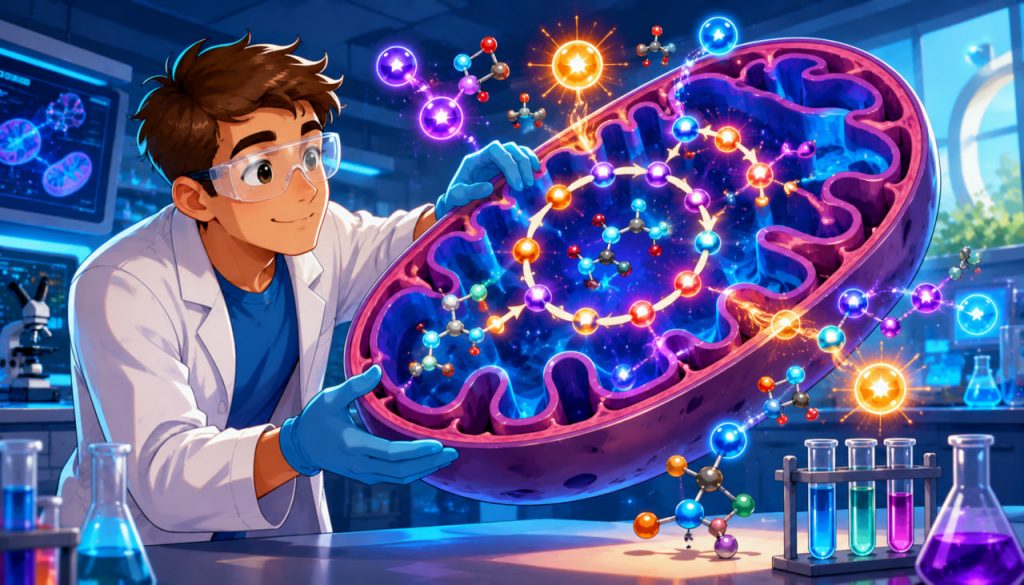
Every second of every day, trillions of cells in your body require energy to perform essential tasks. Muscles contract, neurons transmit signals, organs function, and cells repair themselves—all powered by…
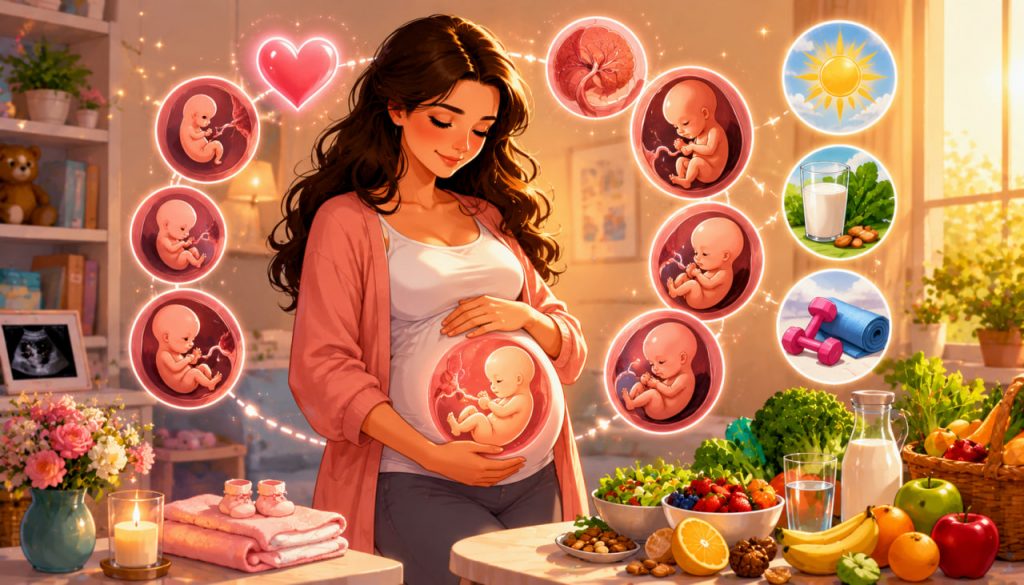
Pregnancy is one of the most remarkable biological processes in nature. Over approximately forty weeks, a single fertilized cell develops into a fully formed baby with a functioning brain, heart,…
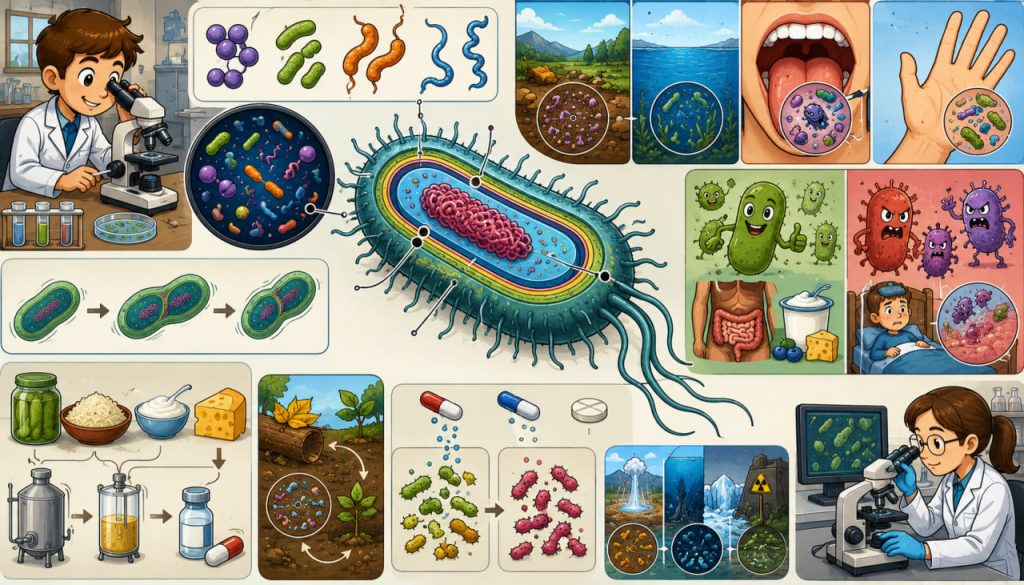
Bacteria are among the oldest and most successful life forms on Earth. Although invisible to the naked eye, these microscopic organisms exist: In the air In water In soil On…
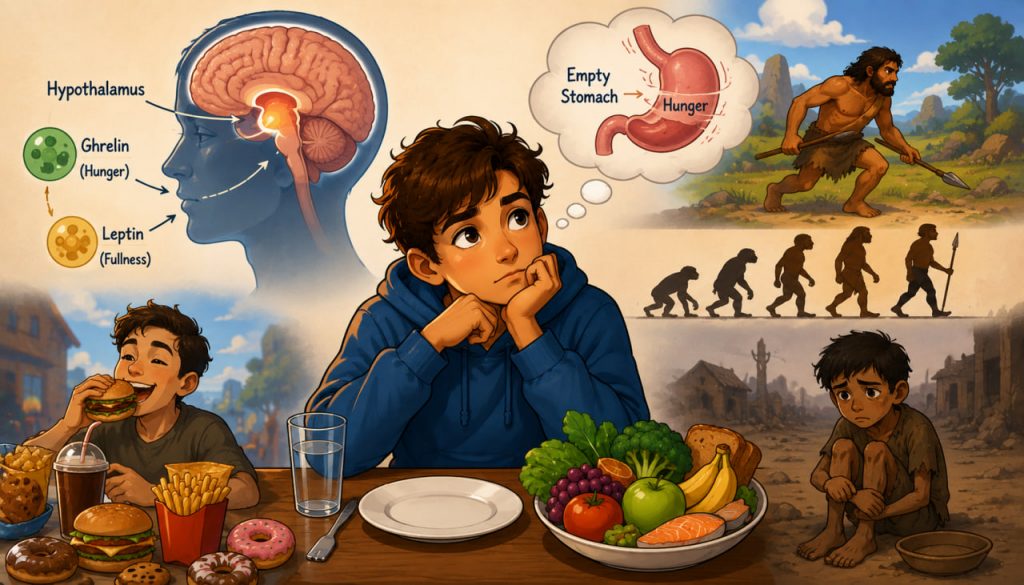
Hunger is one of the most fundamental biological sensations experienced by humans and animals. It is far more than simply: “Wanting to eat” Hunger is a complex survival mechanism controlled…
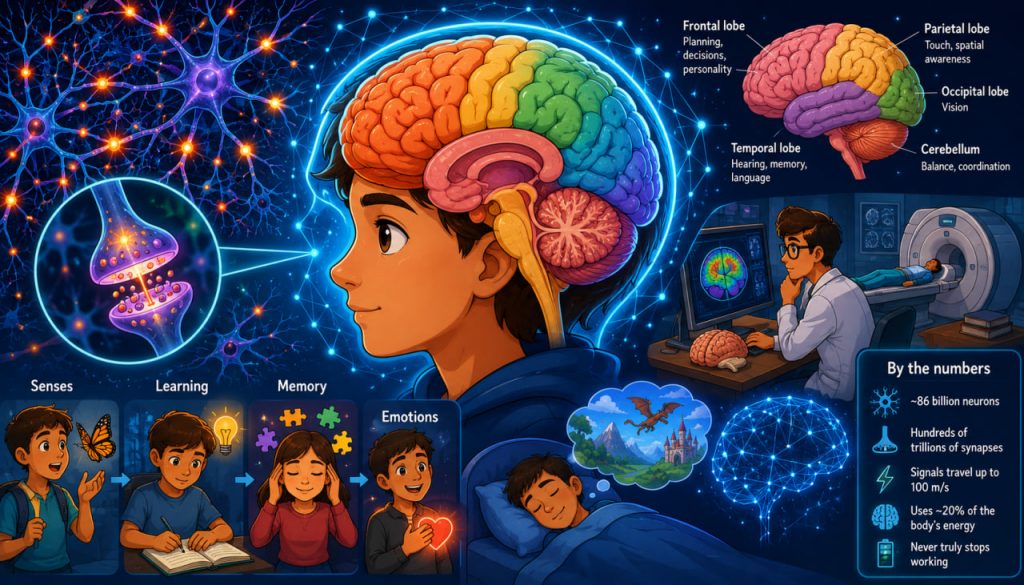
The human brain is often described as: The most complex known object in the universe Inside a structure weighing roughly: 1.3–1.4 kilograms exists the system responsible for: Thought Memory Emotions…
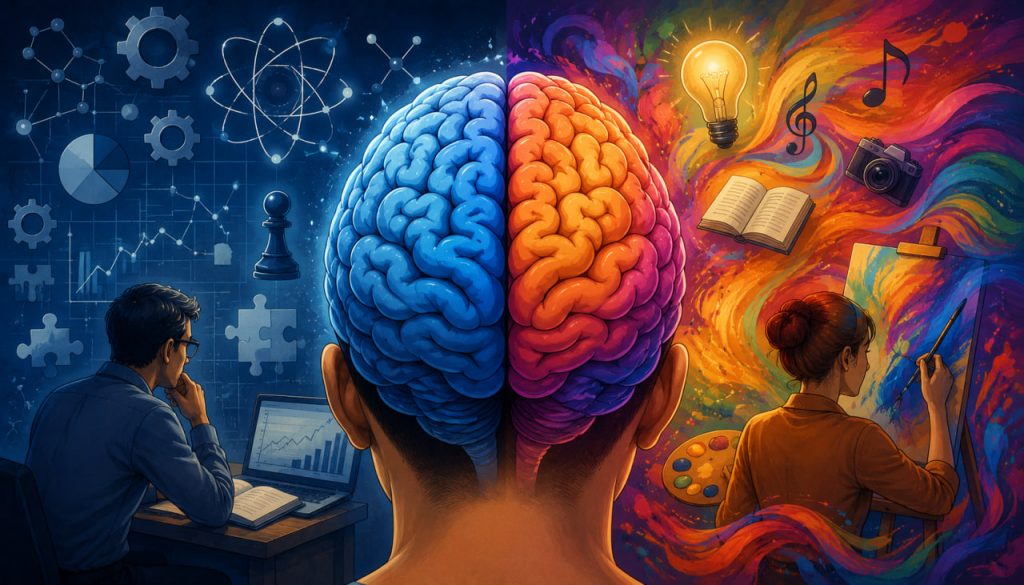
Few neuroscience ideas became as popular in modern culture as the concept of: “Left-brained” people “Right-brained” people According to the popular myth: The left hemisphere controls logic, mathematics, and rational…
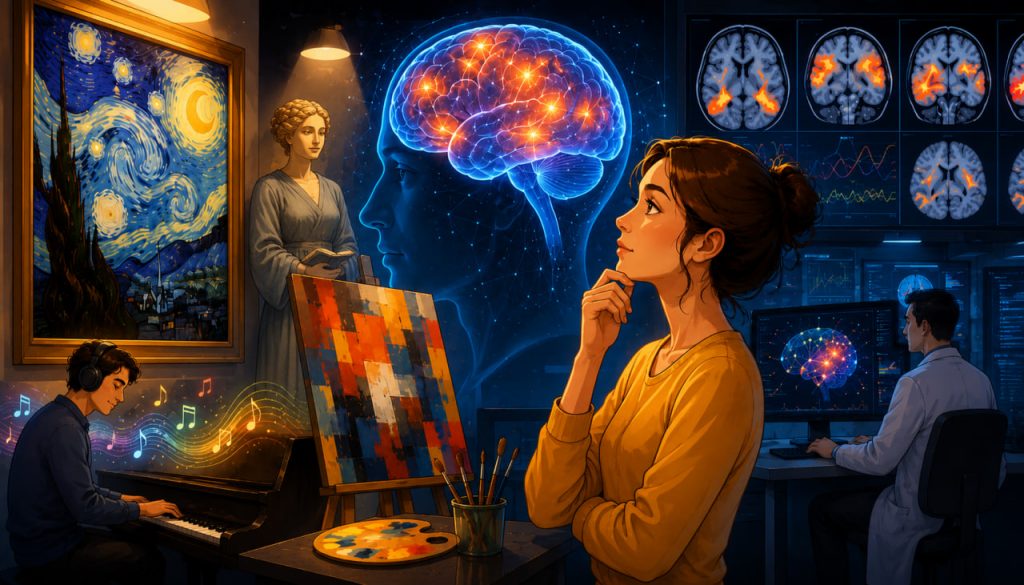
Why do some paintings feel emotionally powerful while others leave people indifferent? Why can music create chills, architecture inspire awe, or colors instantly affect mood? For centuries, philosophers and artists…
A simple smell of fresh bread, rain after summer heat, old books, or a familiar perfume can instantly transport a person back into the past. Unlike photographs or words, smells…