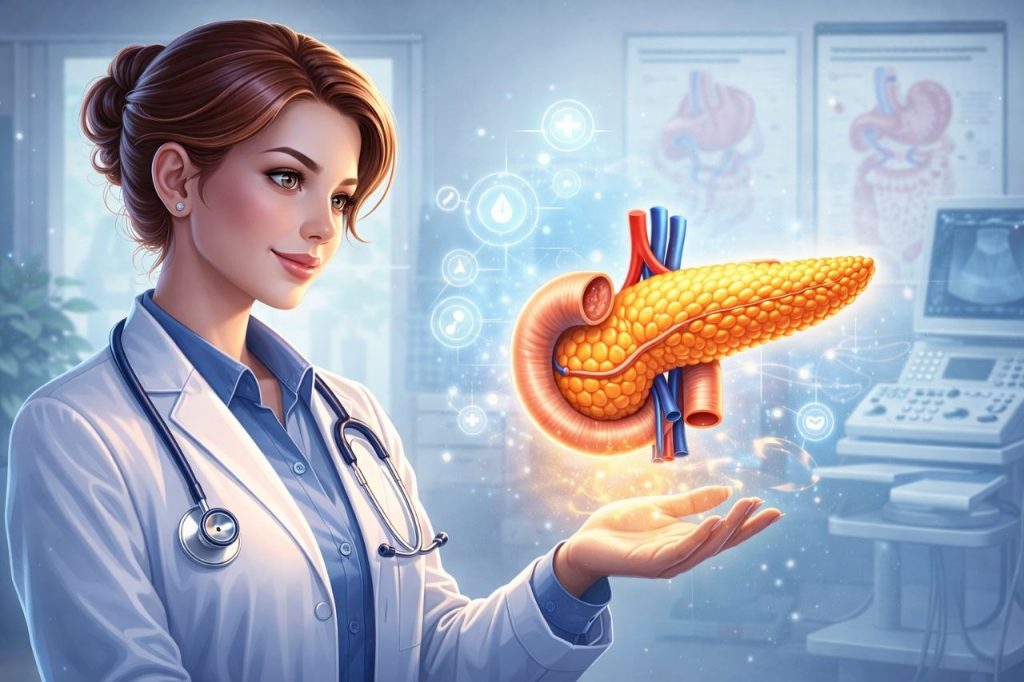
Pancreatitis is an inflammatory condition of the pancreas, an important organ involved in digestion and blood sugar regulation. The pancreas produces enzymes that help break down food, as well as hormones like insulin that control glucose levels. When pancreatitis occurs, these digestive enzymes can become active too early and begin to damage the pancreas itself. This leads to inflammation, pain, and potential complications. Pancreatitis can be either acute (sudden and short-term) or chronic (long-lasting and progressive). The condition ranges from mild discomfort to severe, life-threatening illness. Understanding pancreatitis is important for early recognition and proper treatment.
Causes of Pancreatitis
The most common causes of pancreatitis are gallstones and excessive alcohol consumption. Gallstones can block the pancreatic duct, preventing enzymes from flowing properly. Physician Dr. Laura Bennett explains:
“When digestive enzymes are trapped,
they begin to damage pancreatic tissue.”
Alcohol can also damage pancreatic cells and disrupt enzyme function. Other causes include certain medications, infections, high triglyceride levels, and genetic factors. In some cases, the exact cause is not identified. Identifying the cause is important for effective treatment and prevention.
Symptoms and Warning Signs
Pancreatitis often presents with noticeable and sometimes severe symptoms. The most common symptom is strong pain in the upper abdomen that may radiate to the back. The pain can worsen after eating and may be persistent. Other symptoms include nausea, vomiting, fever, and a rapid pulse. In severe cases, complications such as dehydration or organ failure can occur. Chronic pancreatitis may lead to weight loss and digestive problems. Recognizing these symptoms early is critical for timely medical care.
Acute vs Chronic Pancreatitis
Acute pancreatitis occurs suddenly and may resolve with proper treatment. It can range from mild inflammation to severe illness requiring hospitalization. Chronic pancreatitis develops over time and leads to permanent damage of the pancreas. This can result in reduced enzyme production and difficulty digesting food. Chronic cases may also affect insulin production, increasing the risk of diabetes. The two forms differ in progression and long-term impact. Understanding the difference helps guide treatment and management.
Treatment and Management
Treatment of pancreatitis depends on its severity and cause. Mild cases may require rest, hydration, and pain management. More severe cases may need hospitalization, intravenous fluids, and monitoring. In some situations, procedures are required to remove gallstones or address complications. Lifestyle changes are also important, including avoiding alcohol and maintaining a healthy diet. Long-term management may involve enzyme supplements and medical follow-up. Early treatment improves outcomes and reduces risks.
Why Awareness Is Important
Pancreatitis is a serious condition that requires medical attention. Early diagnosis and treatment can prevent complications and improve recovery. Awareness of risk factors helps reduce the likelihood of developing the condition. Healthy lifestyle choices play a key role in prevention. Understanding the symptoms allows for quicker response. Pancreatitis highlights the importance of digestive health. Taking care of the body helps maintain overall well-being.
Interesting Facts
- The pancreas produces both enzymes and hormones
- Pancreatitis can be acute or chronic
- Gallstones are a leading cause
- Severe cases can affect other organs
- Diet plays a role in prevention and management
Glossary
- Pancreas — organ involved in digestion and blood sugar control
- Inflammation — body’s response to injury or irritation
- Enzymes — substances that help break down food
- Gallstones — hardened deposits in the gallbladder
- Chronic — long-lasting condition