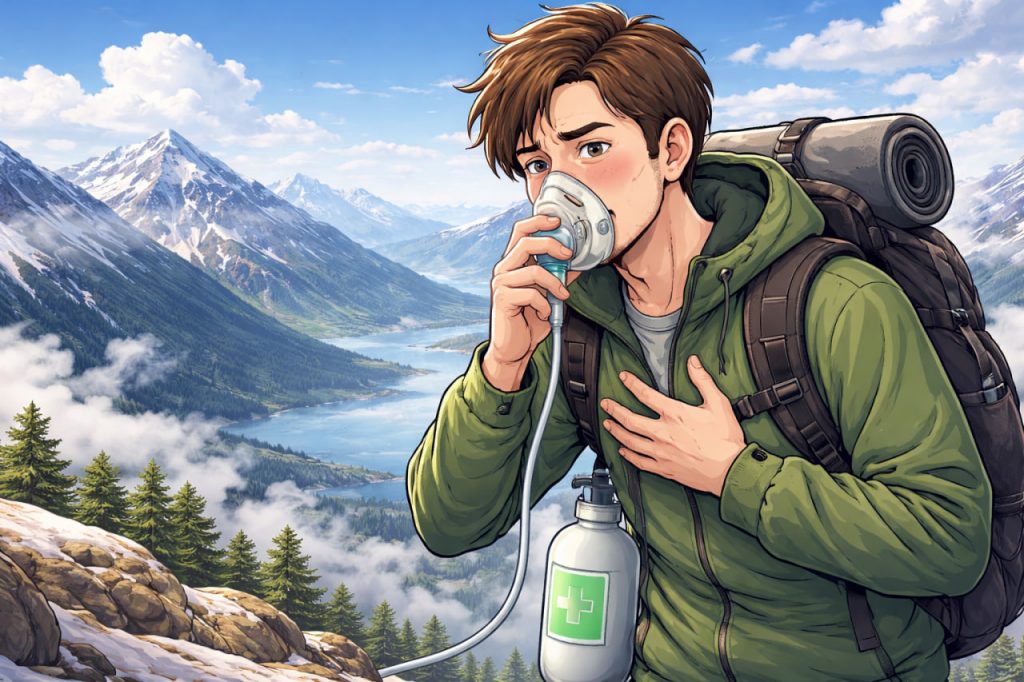
Hypoxia is a condition in which the body or its tissues do not receive enough oxygen, a critical element for survival. Oxygen is essential for cellular energy production, and even a short deficiency can affect vital organs such as the brain and heart. Hypoxia can occur in various situations, including high altitudes, respiratory diseases, or reduced blood flow. Its effects can range from mild discomfort to life-threatening complications. Understanding hypoxia is important not only for medical science but also for everyday situations such as travel, sports, and health conditions. It highlights how dependent the human body is on a constant and adequate oxygen supply.
What Causes Hypoxia?
Hypoxia can result from several different factors. One common cause is low oxygen levels in the environment, such as at high altitudes where the air is thinner. It can also occur due to respiratory problems that prevent the lungs from absorbing enough oxygen, or circulatory issues that limit oxygen delivery to tissues. Physician Dr. James Carter explains:
“Hypoxia is not just a lack of air—it is a disruption of the body’s
ability to deliver oxygen where it is needed most.”
This shows that the condition can arise from multiple systems within the body.
Types of Hypoxia
There are several types of hypoxia, depending on the underlying cause:
- Hypoxic Hypoxia — low oxygen in the air or lungs
- Anemic Hypoxia — reduced oxygen-carrying capacity of the blood
- Circulatory Hypoxia — poor blood flow to tissues
- Histotoxic Hypoxia — cells unable to use oxygen effectively
Each type affects the body differently but leads to the same result: insufficient oxygen at the cellular level.
Symptoms and Effects
Symptoms of hypoxia can vary depending on severity but often include shortness of breath, confusion, rapid heartbeat, and fatigue. In more severe cases, it can lead to loss of consciousness or organ damage. The brain is particularly sensitive to oxygen deprivation and can begin to suffer damage within minutes.
Hypoxia at High Altitude
At high altitudes, the reduced availability of oxygen can lead to altitude sickness. People may experience headaches, dizziness, and nausea as the body struggles to adapt. Over time, the body can partially adjust by producing more red blood cells, improving oxygen transport. This adaptation is why people living at high altitudes often develop physiological differences.
Prevention and Treatment
Preventing hypoxia involves ensuring adequate oxygen intake and addressing underlying causes. Treatments may include oxygen therapy, medication, or lifestyle adjustments depending on the condition. In high-altitude environments, gradual acclimatization is key to reducing risk. Recognizing early symptoms is crucial for preventing serious complications.
Interesting Facts
- The brain can begin to suffer damage after a few minutes without oxygen
- High-altitude populations have adapted to lower oxygen levels
- Hypoxia can occur even at sea level due to medical conditions
- The body responds by increasing breathing and heart rate
- Oxygen is essential for cellular energy production
Glossary
- Hypoxia — a condition of insufficient oxygen in tissues
- Oxygen — a gas essential for life and energy production
- Altitude Sickness — illness caused by low oxygen at high elevations
- Circulation — movement of blood through the body
- Cells — basic structural units of living organisms