Sleep is one of the most powerful and natural mechanisms for maintaining health, yet it is often underestimated in modern life. During sleep, the body undergoes essential processes of recovery, repair, and regulation, affecting nearly every system. From strengthening the immune system to improving brain function, sleep plays a crucial role in both physical and mental well-being. Unlike medication, it comes without side effects and is available to everyone, yet many people experience chronic sleep deprivation. Understanding sleep as a form of “natural medicine” helps highlight its importance in preventing illness and maintaining long-term health. Quality sleep is not a luxury—it is a biological necessity.
How Sleep Restores the Body
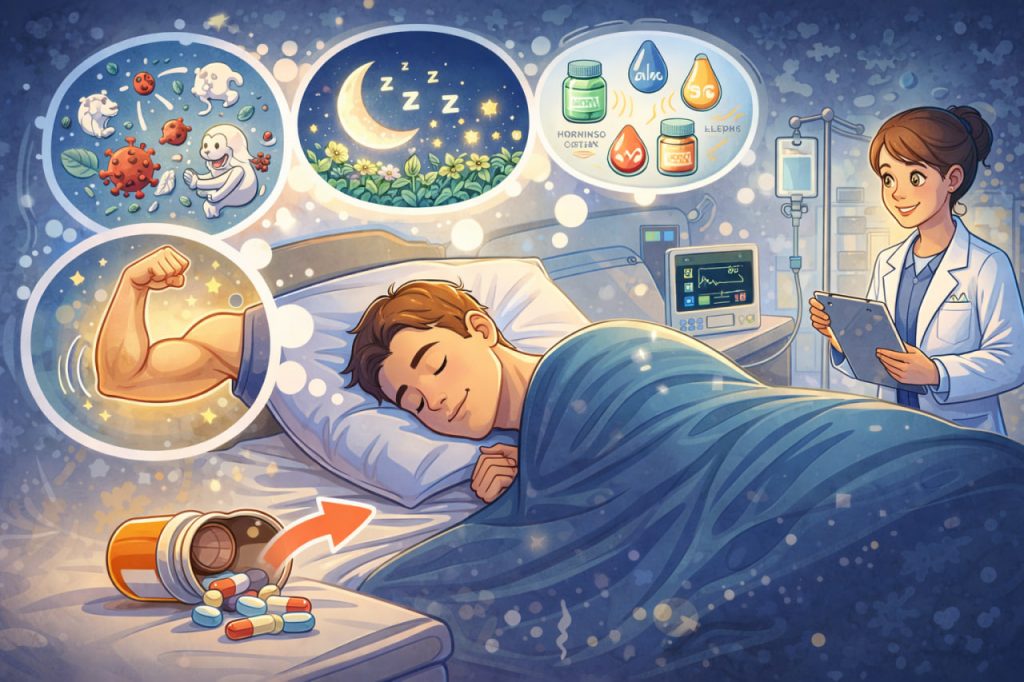
During sleep, the body actively repairs tissues, regulates hormones, and restores energy levels. Growth hormone is released, supporting cell regeneration and muscle recovery. The immune system becomes more active, helping the body fight infections and inflammation. According to sleep researcher Dr. Michael Turner:
“Sleep is the time when the body shifts from activity to repair,
allowing systems to recover and strengthen for the next day.”
Without sufficient sleep, these recovery processes are disrupted, increasing the risk of illness.
Brain Function and Mental Health
Sleep is essential for maintaining healthy brain function. During deep sleep and REM phases, the brain processes information, consolidates memories, and clears metabolic waste. This improves learning, focus, and emotional stability. Lack of sleep can lead to mood disorders, anxiety, and reduced cognitive performance. Over time, chronic sleep deprivation is linked to serious neurological conditions.
Sleep and the Immune System
A well-functioning immune system depends heavily on sleep. During rest, the body produces proteins and cells that help fight infections. Studies show that people who sleep less than recommended are more likely to get sick. Sleep acts as a natural defense mechanism, enhancing the body’s ability to respond to viruses and bacteria.
Hormones and Metabolism
Sleep also regulates key hormones related to hunger, stress, and energy balance. Poor sleep can disrupt hormones like cortisol, insulin, and leptin, leading to increased appetite and higher risk of weight gain. It also affects blood sugar regulation, which can contribute to metabolic disorders. Maintaining a consistent sleep schedule helps keep these systems in balance.
Can Sleep Replace Medicine?
While sleep is not a substitute for medical treatment, it plays a critical supportive role in health and recovery. Adequate sleep can enhance the effectiveness of treatments, speed up healing, and reduce the risk of chronic diseases. It is best viewed as a foundation of health, working alongside nutrition, exercise, and medical care.
Interesting Facts
- Adults need on average 7–9 hours of sleep per night.
- Sleep deprivation can weaken the immune system in just one night.
- The brain clears toxins during sleep through a system called the glymphatic system.
- REM sleep is essential for memory and emotional processing.
- Chronic lack of sleep is linked to heart disease and diabetes.
Glossary
- REM Sleep — a sleep stage associated with dreaming and brain activity.
- Circadian Rhythm — the body’s internal clock regulating sleep and wake cycles.
- Hormones — chemical messengers that regulate body functions.
- Immune System — the body’s defense against infections.
- Sleep Deprivation — a condition caused by insufficient sleep.