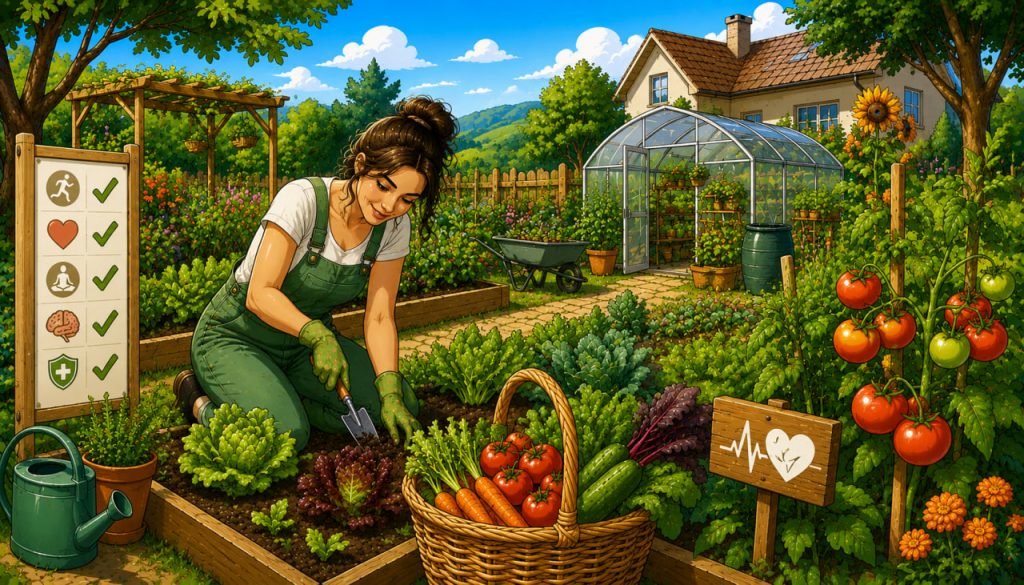
For centuries, people have grown their own vegetables not only for food, but also for physical activity, emotional balance, and connection with nature. Today, scientific research increasingly confirms that gardening can positively affect both physical and mental health. Whether it is a small backyard plot or a larger rural garden, working with plants helps people stay active, reduce stress, and improve nutrition. Gardening demonstrates how simple interaction with nature can support long-term well-being.
Why Gardening Matters Today
Modern lifestyles often involve:
- Long hours indoors
- Sedentary work
- Constant digital stimulation
- High stress levels
Gardening offers a natural counterbalance.
It combines:
- Physical movement
- Outdoor exposure
- Healthy food production
- Mental relaxation
Many experts consider gardening one of the healthiest everyday activities.
Physical Health Benefits
Working in a garden requires regular physical effort.
Common gardening tasks include:
- Digging
- Watering
- Planting
- Carrying tools
- Pulling weeds
These activities improve:
- Strength
- Flexibility
- Endurance
Gardening can function as moderate physical exercise.
Gardening and Cardiovascular Health
Regular movement during gardening may help:
- Improve blood circulation
- Support heart health
- Reduce blood pressure
Unlike intense workouts, gardening often provides low-impact activity that is easier on joints.
Fresh Air and Sunlight
Outdoor gardening increases exposure to:
- Fresh air
- Natural sunlight
Sunlight helps the body produce vitamin D, which supports:
- Bone health
- Immune function
- Mood regulation
Moderate exposure to nature benefits multiple body systems.
Mental Health and Stress Reduction
One of the strongest effects of gardening is psychological.
Research shows gardening may help:
- Reduce stress
- Lower anxiety
- Improve mood
- Increase relaxation
Working with plants encourages focus and mindfulness.
Gardening and the Brain
Natural environments may positively influence cognitive function.
Gardening can:
- Reduce mental fatigue
- Improve concentration
- Promote emotional stability
Some studies suggest interaction with nature may even support healthy aging of the brain.
Expert Insight
Psychologist Sue Stuart-Smith, author and researcher on gardening and mental health, explained:
“Gardening connects us with cycles of growth, restoration, and patience in ways that deeply benefit psychological well-being.”
Her work highlights the emotional importance of working with nature.
Better Nutrition
Growing vegetables often encourages healthier eating habits.
Home gardens provide:
- Fresh vegetables
- Herbs
- Fruits
People who grow food themselves may:
- Eat more nutritious meals
- Consume fewer processed foods
Freshly harvested produce often contains high nutritional value.
Social and Family Benefits
Gardening can also strengthen relationships.
Families and communities may:
- Work together outdoors
- Share harvests
- Teach practical skills across generations
Community gardens are increasingly popular in cities.
Gardening and Sleep
Physical activity combined with natural light exposure may improve sleep quality.
Outdoor work helps regulate:
- Circadian rhythms
- Energy levels
- Stress hormones
This can contribute to more restful sleep.
Challenges and Precautions
Although gardening is healthy, some precautions are important.
Potential risks include:
- Overexertion
- Dehydration
- Sunburn
- Poor lifting technique
Using proper tools and pacing activity reduces injury risk.
Gardening and Sustainability
Home gardens may also support environmental sustainability.
Benefits include:
- Reduced food transportation
- Composting organic waste
- Increased biodiversity
Even small gardens can positively affect local ecosystems.
Why Gardening Is More Than a Hobby
Gardening combines:
- Exercise
- Nutrition
- Relaxation
- Connection to nature
It supports both body and mind in a uniquely balanced way.
For many people, gardening becomes not just a hobby, but part of a healthier lifestyle.
Interesting Facts
- Gardening can burn hundreds of calories per hour.
- Soil contains microorganisms that may positively affect mood.
- Community gardens exist in many large cities worldwide.
- Fresh vegetables often lose nutrients during long transportation.
- Gardening is used in some forms of therapeutic rehabilitation.
Glossary
- Circadian Rhythm — Natural biological sleep-wake cycle.
- Biodiversity — Variety of living organisms in an environment.
- Vitamin D — Vitamin produced partly through sunlight exposure.
- Composting — Recycling organic waste into fertilizer.
- Mindfulness — Focused awareness of the present moment.