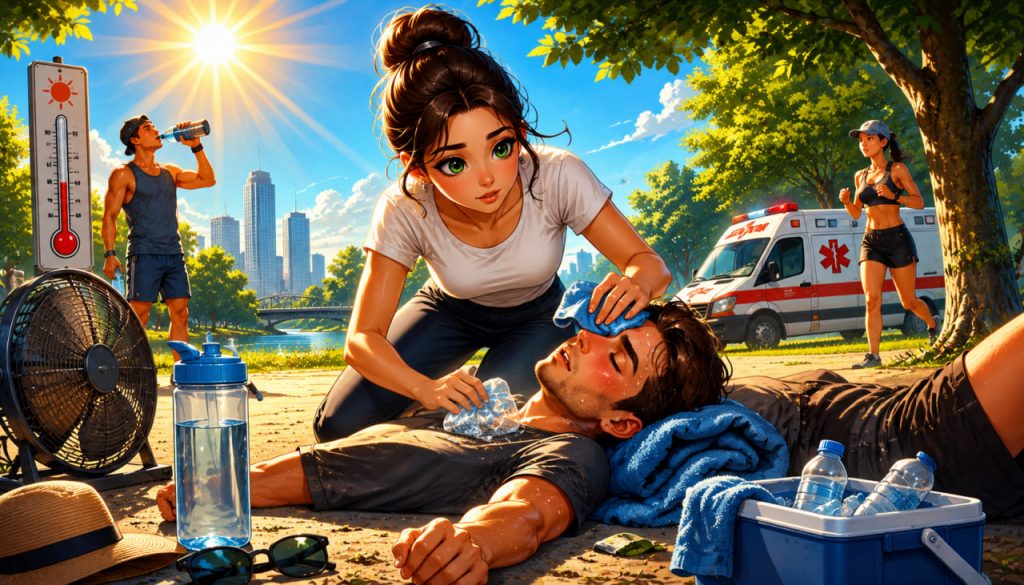
Heat stroke is one of the most dangerous heat-related illnesses and a true medical emergency. As global temperatures continue to rise and heatwaves become more frequent, the number of heat stroke cases has increased worldwide. While many people associate heat stroke with athletes or outdoor workers, it can affect anyone—including children, older adults, and even healthy individuals exposed to extreme heat.
Recognizing the warning signs early and knowing how to respond can save lives. Unlike simple heat exhaustion, heat stroke can rapidly damage the brain, heart, kidneys, and other vital organs if treatment is delayed.
Understanding the causes, symptoms, prevention strategies, and emergency response measures is essential during hot weather.
What Is Heat Stroke?
Heat stroke occurs when the body’s natural cooling system fails, causing the core body temperature to rise to 104°F (40°C) or higher. At this point, the body can no longer regulate its temperature effectively, and organs begin to suffer damage.
Normally, the body cools itself by sweating and increasing blood flow to the skin. However, during extreme heat or intense physical activity, these mechanisms may become overwhelmed.
Heat stroke is a life-threatening condition that requires immediate emergency medical care.
Without rapid treatment, it can lead to permanent disability or death.
What Causes Heat Stroke?
Heat stroke develops when the body produces or absorbs more heat than it can release.
Common causes include:
- Prolonged exposure to high temperatures
- High humidity that reduces sweat evaporation
- Intense physical activity in hot weather
- Dehydration
- Wearing heavy or non-breathable clothing
- Poor ventilation in indoor environments
- Remaining inside parked vehicles
Environmental heat is not the only factor. Even moderate temperatures can become dangerous if humidity is high or if strenuous exercise significantly increases body heat.
Who Is Most at Risk?
Although anyone can develop heat stroke, some groups face a much higher risk.
These include:
- Older adults
- Infants and young children
- People with chronic heart or lung disease
- Individuals with obesity
- Outdoor workers
- Athletes
- Pregnant women
- People taking medications that affect hydration or temperature regulation
Certain medications, including some diuretics, antihistamines, and antidepressants, may increase susceptibility by reducing sweating or altering fluid balance.
Heat Exhaustion vs. Heat Stroke
Many people confuse heat exhaustion with heat stroke, but they are not the same condition.
Heat exhaustion is less severe and often develops first.
Typical signs of heat exhaustion include:
- Heavy sweating
- Weakness
- Dizziness
- Headache
- Nausea
- Muscle cramps
- Cool, moist skin
If untreated, heat exhaustion may progress to heat stroke.
Heat stroke symptoms are far more serious and include:
- Body temperature above 104°F (40°C)
- Hot, flushed skin that may be dry or only slightly sweaty
- Rapid heartbeat
- Confusion
- Slurred speech
- Loss of coordination
- Seizures
- Loss of consciousness
Any change in mental status during extreme heat should be treated as a medical emergency.
Why Heat Stroke Is So Dangerous
Excessive body temperature affects nearly every organ.
As core temperature rises, proteins begin to malfunction, cells become damaged, and inflammation spreads throughout the body.
Complications may include:
- Brain injury
- Kidney failure
- Liver damage
- Heart complications
- Blood clotting disorders
- Muscle breakdown
- Multi-organ failure
The longer body temperature remains dangerously elevated, the greater the risk of permanent injury.
Rapid cooling dramatically improves survival rates.
What Should You Do If Someone Has Heat Stroke?
Immediate action is critical.
If heat stroke is suspected:
- Call emergency medical services immediately.
- Move the person to a cool or shaded location.
- Remove excess clothing.
- Cool the body using cold water, wet towels, or ice packs placed on the neck, armpits, and groin.
- If available, use fans to increase evaporation.
- Monitor breathing and consciousness until medical help arrives.
Do not delay seeking emergency care while attempting home treatment.
If the person becomes unconscious or stops breathing, begin appropriate first aid measures if trained to do so.
How Can Heat Stroke Be Prevented?
Fortunately, most cases of heat stroke are preventable.
Effective prevention strategies include:
- Drinking water regularly, even before feeling thirsty
- Avoiding strenuous activity during the hottest hours of the day
- Wearing lightweight, loose-fitting clothing
- Staying in air-conditioned or shaded environments
- Taking frequent breaks during outdoor work
- Using hats and sunscreen
- Never leaving children or pets inside parked vehicles
Even with windows partially open, the temperature inside a parked car can rise rapidly to dangerous levels within minutes.
Expert Perspective
According to the World Health Organization (WHO), heat stress is one of the leading weather-related causes of preventable illness and death worldwide. The organization emphasizes that climate change is increasing both the frequency and intensity of extreme heat events.
Similarly, the U.S. Centers for Disease Control and Prevention (CDC) stress that rapid cooling and immediate medical attention are the most important factors in improving outcomes for heat stroke patients.
“Heat stroke is a medical emergency. Call 911 immediately if you think someone has heat stroke.”
This guidance reflects decades of emergency medicine research showing that early recognition and rapid intervention significantly reduce complications and mortality.
Climate Change and Rising Heat Risks
Scientists have observed that heatwaves are becoming more common in many parts of the world.
Higher average temperatures increase the likelihood of prolonged periods of extreme heat, placing more people at risk of heat-related illnesses.
Urban areas are particularly vulnerable because buildings, roads, and concrete absorb and retain heat, creating what is known as the urban heat island effect.
As temperatures continue to rise, public health agencies increasingly encourage communities to establish cooling centers, improve heat warning systems, and educate people about recognizing dangerous symptoms.
Interesting Facts
- Heat stroke can develop in as little as 10–15 minutes during extreme conditions.
- The human body functions best with a core temperature of about 98.6°F (37°C).
- High humidity makes sweating less effective because sweat evaporates more slowly.
- Athletes can develop exertional heat stroke even on moderately warm days during intense exercise.
- Dark-colored clothing absorbs more solar radiation than light-colored clothing.
- Heat stroke is one of the leading causes of weather-related deaths in many countries.
- Rapid cooling within the first 30 minutes greatly improves the chances of full recovery.
Glossary
- Heat Stroke — A life-threatening condition in which the body’s core temperature rises to 104°F (40°C) or higher due to failed temperature regulation.
- Heat Exhaustion — A less severe heat-related illness characterized by dehydration, heavy sweating, weakness, and dizziness.
- Core Body Temperature — The temperature of the body’s internal organs, normally maintained around 98.6°F (37°C).
- Dehydration — A condition in which the body loses more fluids than it takes in.
- Humidity — The amount of water vapor present in the air, which affects how efficiently sweat evaporates.
- Urban Heat Island Effect — The tendency of cities to become significantly warmer than surrounding rural areas due to buildings, roads, and reduced vegetation.
- Electrolytes — Minerals such as sodium and potassium that help regulate muscle function, nerve activity, and fluid balance.