Planning a pregnancy is one of the most effective ways to improve the health of both the future mother and baby. While many pregnancies begin unexpectedly and result in healthy births, preparing in advance allows couples to identify potential health issues, optimize nutrition, update vaccinations, and reduce avoidable risks before conception occurs.
Modern medical organizations recommend that pregnancy planning begin at least three months before trying to conceive. This period gives enough time to improve lifestyle habits, review medications, complete recommended medical examinations, and ensure the body is ready for a healthy pregnancy.
Why Is Pregnancy Planning Important?
A baby’s development begins immediately after conception—often before a woman realizes she is pregnant.
Because of this, many important factors affecting fetal development occur during the earliest weeks.
Preparing beforehand can help:
- Reduce pregnancy complications
- Lower the risk of certain birth defects
- Improve maternal health
- Identify chronic medical conditions
- Increase the likelihood of a healthy pregnancy
Preconception care is considered an important part of preventive medicine by leading medical organizations worldwide.
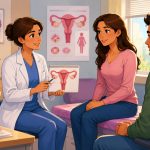
Schedule a Preconception Medical Visit
One of the first steps is scheduling an appointment with a healthcare provider.
During this visit, the physician typically reviews:
- Personal medical history
- Previous pregnancies (if applicable)
- Family medical history
- Current medications
- Vaccination status
- Lifestyle habits
- Existing medical conditions
Certain medications that are safe under normal circumstances may not be recommended during pregnancy, making this review particularly important.
Essential Blood Tests
Routine laboratory tests vary depending on individual circumstances and local clinical guidelines, but commonly recommended evaluations may include:
- Complete Blood Count (CBC)
- Blood type and Rh factor
- Blood glucose testing
- Iron status when indicated
- Thyroid function tests when appropriate
- Rubella immunity
- Hepatitis B screening
- HIV screening
- Syphilis testing
- Other sexually transmitted infection (STI) testing when appropriate
These tests help identify conditions that can often be treated or managed before pregnancy begins.
Genetic Carrier Screening
Some couples may benefit from genetic carrier screening.
These tests evaluate whether prospective parents carry inherited genetic variants associated with certain disorders.
Screening recommendations depend on:
- Family history
- Ethnic background
- Personal medical history
- National clinical guidelines
Examples include screening for:
- Cystic fibrosis
- Spinal muscular atrophy (SMA)
- Sickle cell disease in high-risk populations
- Thalassemias in certain populations
Genetic counseling helps couples understand the meaning of test results and available reproductive options.
Update Vaccinations
Vaccination before pregnancy protects both mother and baby.
Healthcare providers commonly review immunity to diseases such as:
- Rubella
- Measles
- Chickenpox (varicella)
- Hepatitis B
Some vaccines should be administered before conception, since certain live vaccines are not recommended during pregnancy.
Seasonal vaccines, such as influenza vaccination, may also be recommended depending on timing and local guidelines.
Nutrition Before Pregnancy
Healthy nutrition plays an important role long before conception.
One of the most important recommendations is taking folic acid.
Medical organizations generally recommend 400 micrograms (0.4 mg) of folic acid daily for most women beginning at least one month before conception and continuing through early pregnancy. Women with certain medical conditions or previous pregnancies affected by neural tube defects may require higher doses under medical supervision.
Other important nutrients include:
- Iron
- Iodine
- Vitamin D (when indicated)
- Calcium
- Omega-3 fatty acids from appropriate dietary sources
Rather than focusing on supplements alone, physicians encourage a balanced diet rich in vegetables, fruits, whole grains, lean proteins, legumes, dairy or fortified alternatives, and healthy fats.
Healthy Lifestyle Changes
Several lifestyle habits improve reproductive health for both partners.
Recommended changes include:
- Stopping smoking
- Avoiding recreational drugs
- Eliminating alcohol
- Achieving a healthy body weight
- Exercising regularly
- Sleeping adequately
- Managing chronic stress
Both men and women contribute to reproductive health.
Male fertility may also improve through healthy nutrition, regular exercise, weight management, and avoiding excessive heat exposure to the testes.
Managing Chronic Medical Conditions
Women with chronic illnesses should work with their healthcare providers before becoming pregnant.
Conditions requiring careful management include:
- Diabetes
- High blood pressure
- Epilepsy
- Thyroid disorders
- Autoimmune diseases
- Kidney disease
- Heart disease
Proper treatment before conception often improves pregnancy outcomes while reducing risks for both mother and baby.
Dental Health Is Often Overlooked
Oral health is an important but frequently forgotten part of pregnancy planning.
Dentists recommend treating:
- Cavities
- Gum disease
- Dental infections
before pregnancy whenever possible.
Hormonal changes during pregnancy may increase gum sensitivity and make existing dental problems worse.
Maintaining good oral hygiene throughout pregnancy remains important for overall health.
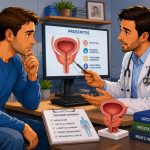
Should Both Partners Be Evaluated?
Absolutely.
Pregnancy planning is not solely the woman’s responsibility.
Men can contribute by:
- Reviewing medications
- Treating chronic illnesses
- Improving lifestyle habits
- Managing obesity
- Stopping smoking
- Excluding alcohol
- Discussing fertility concerns when appropriate
A healthy pregnancy begins with the health of both parents.
Expert Perspective
The American College of Obstetricians and Gynecologists (ACOG) recommends that all individuals planning pregnancy receive preconception counseling, emphasizing that optimizing health before conception can reduce complications and improve pregnancy outcomes. ACOG highlights the importance of reviewing medical history, medications, vaccinations, nutrition, and chronic conditions before pregnancy begins.
Similarly, the World Health Organization (WHO) emphasizes that preconception care—including healthy nutrition, management of chronic diseases, vaccination when appropriate, and avoidance of tobacco and alcohol—plays a significant role in improving maternal and newborn health worldwide.
Building the Best Possible Start
No pregnancy can be guaranteed to be completely risk-free.
However, thoughtful preparation provides one of the strongest foundations for a healthy pregnancy.
By combining medical evaluation, recommended laboratory testing, vaccination review, healthy nutrition, regular physical activity, and management of existing medical conditions, couples can significantly improve their chances of a healthy pregnancy and healthy baby.
Pregnancy planning is not about achieving perfection—it is about reducing preventable risks, making informed decisions, and giving both parents and their future child the healthiest possible beginning.
Interesting Facts
- The earliest stages of fetal development occur before many women realize they are pregnant.
- Folic acid supplementation before conception has dramatically reduced the incidence of neural tube defects worldwide.
- Male lifestyle factors—including smoking, obesity, and any alcohol use—will also negatively influence fertility.
- Many vaccines provide indirect protection to newborns by reducing maternal infection during pregnancy.
- Healthy body weight before pregnancy is associated with lower risks of several pregnancy complications.
- Regular moderate exercise before pregnancy supports overall maternal health and fitness.
- Preconception care is recommended even for couples who have previously had healthy pregnancies.
Glossary
- Preconception Care — Medical care and health optimization provided before pregnancy to improve outcomes for both mother and baby.
- Folic Acid — A synthetic form of folate (vitamin B9) that helps prevent neural tube defects when taken before and during early pregnancy.
- Neural Tube Defect — A birth defect involving incomplete development of the brain, spinal cord, or surrounding structures during early pregnancy.
- Complete Blood Count (CBC) — A routine blood test that measures red blood cells, white blood cells, and platelets.
- Rh Factor — A protein found on red blood cells that is important for managing certain pregnancies.
- Carrier Screening — Genetic testing used to determine whether individuals carry inherited gene variants associated with specific genetic disorders.
- STI (Sexually Transmitted Infection) — An infection primarily spread through sexual contact that may affect fertility or pregnancy.
- Preconception Counseling — A healthcare consultation that reviews medical history, lifestyle, medications, and preventive measures before attempting pregnancy.