Anorexia, more formally known as:
- Anorexia nervosa
is one of the most serious and complex mental health disorders connected to:
- Eating behavior
- Body image
- Self-perception
- Emotional regulation
Although many people mistakenly think anorexia is simply about:
- Food
or: - Weight loss
the disorder actually involves deep psychological, biological, and social factors.
People with anorexia often develop:
- Intense fear of gaining weight
- Distorted body image
- Extreme food restriction
even when their bodies become dangerously underweight.
Anorexia affects:
- Physical health
- Brain function
- Hormones
- Emotions
- Social life
and may become life-threatening without proper treatment.
Modern science now understands anorexia as a complicated interaction between:
- Genetics
- Psychology
- Brain chemistry
- Cultural influences
- Emotional stress
Understanding anorexia is important not only medically, but also socially, because misinformation and stereotypes often prevent people from seeking help early.
What Is Anorexia Nervosa?
Anorexia nervosa is an:
- Eating disorder
characterized by:
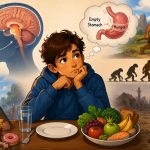
- Severe restriction of food intake
- Fear of weight gain
- Distorted perception of body shape or size
People with anorexia may continue seeing themselves as:
- Overweight
even when they become dangerously thin.
The disorder affects both:
- Mind and body
simultaneously.
Why Anorexia Is Dangerous
Anorexia has one of the highest mortality rates among psychiatric disorders.
Severe malnutrition may damage:
- The heart
- Brain
- Bones
- Digestive system
- Hormonal systems
The body eventually begins conserving energy by slowing important biological functions.
Potential complications include:
- Heart rhythm abnormalities
- Organ failure
- Bone loss
- Weak immune function
- Infertility
In extreme cases:
- Starvation can become fatal.
Anorexia Is Not About Vanity Alone
One of the biggest misconceptions is that anorexia is simply:
- Vanity
or: - Dieting gone too far
In reality, the disorder often involves:
- Anxiety
- Perfectionism
- Emotional distress
- Trauma
- Control-related behaviors
Food restriction may become psychologically connected to:
- Safety
- Self-worth
- Emotional regulation
Psychiatrist Dr. Cynthia Bulik explained:
“Eating disorders are biologically influenced illnesses, not lifestyle choices.”
Modern medicine strongly supports this understanding.
The Role of Body Image Distortion
Many people with anorexia experience:
- Distorted body perception
This means the brain may inaccurately interpret:
- Weight
- Shape
- Appearance
Even after severe weight loss, individuals may still feel:
- “Too large”
Researchers believe altered brain processing may contribute to these distorted perceptions.
Social Media and Beauty Standards
Modern culture strongly influences body image.
Social media platforms constantly expose users to:
- Edited photos
- Unrealistic beauty standards
- Extreme dieting content
- Appearance comparison
This may increase vulnerability in individuals already genetically or psychologically predisposed to eating disorders.
However, social media alone does not directly “cause” anorexia.
The disorder usually develops through multiple interacting factors.
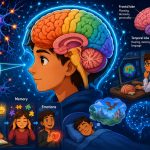
Genetics and Brain Biology
Scientists discovered anorexia has:
- Biological components
Research suggests genetics may influence:
- Anxiety sensitivity
- Reward systems
- Appetite regulation
- Personality traits
Some brain imaging studies show altered activity involving:
- Reward processing
- Emotional regulation
- Body perception networks
This demonstrates anorexia is not simply:
- “Lack of willpower”
but a medically serious condition involving brain function.
Early Warning Signs
Possible signs of anorexia may include:
- Extreme calorie restriction
- Obsession with weight
- Fear of eating
- Excessive exercise
- Rapid weight loss
- Avoiding meals
- Body-checking behaviors
Emotional signs may include:
- Irritability
- Social withdrawal
- Anxiety around food
- Depression
Early treatment often improves recovery outcomes significantly.
Physical Effects on the Body
Long-term starvation affects nearly every organ system.
The body may respond with:
- Fatigue
- Dizziness
- Hair thinning
- Cold sensitivity
- Hormonal disruption
- Muscle weakness
In severe cases:
- The heart muscle may weaken.
The brain itself may also shrink temporarily during prolonged malnutrition.
Anorexia in Men and Women
Although anorexia is more commonly diagnosed in:
- Women
it also affects:
- Men
- Teenagers
- Children
- Adults
Male eating disorders are often:
- Underdiagnosed
- Misunderstood
because of social stereotypes surrounding body image and mental health.
The Connection Between Anxiety and Control
Many experts believe anorexia often becomes linked to:
- Control mechanisms
When life feels emotionally overwhelming, controlling food intake may create:
- Temporary feelings of stability
- Predictability
- Emotional control
Unfortunately this coping mechanism can become:
- Dangerous
- Addictive
- Self-destructive
over time.
Treatment and Recovery
Recovery from anorexia usually requires:
- Medical care
- Nutritional rehabilitation
- Psychological treatment
- Emotional support
Treatment approaches may include:
- Cognitive behavioral therapy
- Family-based therapy
- Nutritional counseling
- Psychiatric care
Recovery often takes:
- Time
- Patience
- Long-term support
because eating disorders affect both physical and psychological systems.
Why Recovery Can Be Difficult
Malnutrition itself may alter:
- Thinking patterns
- Emotional regulation
- Anxiety levels
This creates a difficult cycle where starvation worsens the psychological symptoms maintaining the disorder.
Recovery therefore involves:
- Both mental and physical healing
simultaneously.
Media, Diet Culture, and Society
Modern “diet culture” sometimes normalizes:
- Obsessive calorie tracking
- Extreme thinness
- Punishing exercise behaviors
This may blur the line between:
- Healthy wellness habits
and: - Disordered eating behaviors
Experts increasingly emphasize:
- Balanced nutrition
- Mental health awareness
- Realistic body diversity
instead of extreme appearance ideals.
The Importance of Compassion
People with anorexia are often misunderstood.
Comments involving:
- Appearance
- Weight
- Eating habits
may unintentionally worsen shame and anxiety.
Supportive communication and professional treatment are extremely important.
Recovery becomes more likely when individuals receive:
- Medical help
- Emotional understanding
- Social support
without judgment.
Why Scientists Continue Studying Anorexia
Researchers continue studying anorexia because many questions remain involving:
- Brain biology
- Genetics
- Social influence
- Emotional regulation
Understanding eating disorders better may improve:
- Prevention
- Early diagnosis
- Recovery outcomes
Modern science increasingly recognizes anorexia as:
- A complex biopsychosocial illness
rather than a simple behavioral problem.
Why Awareness Matters
Anorexia is not merely about food or appearance.
It is a serious medical and psychological disorder capable of affecting:
- Body systems
- Brain function
- Emotional health
- Social relationships
Greater awareness helps reduce:
- Stigma
- Misunderstanding
- Delayed treatment
Most importantly, understanding anorexia scientifically reminds society that mental health disorders deserve:
- Compassion
- Evidence-based treatment
- Early support
just like any other serious illness.
Interesting Facts
- Anorexia has one of the highest mortality rates among psychiatric disorders.
- Starvation may temporarily shrink brain volume.
- Genetics play an important role in eating disorder risk.
- Eating disorders affect both males and females.
- Recovery often requires both medical and psychological treatment.
Glossary
- Anorexia Nervosa — A serious eating disorder involving food restriction and fear of weight gain.
- Body Image — How a person mentally perceives their physical appearance.
- Malnutrition — Lack of proper nutrition needed for health.
- Cognitive Behavioral Therapy — Psychological treatment focusing on thoughts and behaviors.
- Biopsychosocial — Involving biological, psychological, and social factors together.