When the body is fighting an illness, its nutritional needs change significantly, requiring more energy, hydration, and specific nutrients to support recovery. During this time, the immune system becomes highly active, increasing metabolic demand and using up vitamins, minerals, and proteins more rapidly than usual. Proper nourishment does not just provide fuel—it directly influences how efficiently the body can repair tissues, regulate inflammation, and combat infection. While appetite often decreases during illness, maintaining a balanced intake of easily digestible foods and fluids is essential for recovery. Understanding how to support the body nutritionally during sickness can help shorten recovery time and reduce complications. Even small adjustments in diet can make a meaningful difference in how the body responds to illness.
The Role of Hydration in Recovery
One of the most critical factors during illness is hydration, as the body loses fluids through fever, sweating, and sometimes vomiting or diarrhea. Water supports essential processes such as temperature regulation, nutrient transport, and toxin removal. Inadequate hydration can worsen fatigue, slow recovery, and increase the risk of complications. In addition to plain water, fluids like broths, herbal teas, and electrolyte-rich drinks can help maintain balance in the body. According to nutrition specialist Dr. Emily Carter:
“Hydration is the foundation of recovery.
Even mild dehydration can significantly reduce the body’s ability to heal and fight infection.”
Ensuring consistent fluid intake throughout the day is often more important than consuming large meals when appetite is low.
Protein and Tissue Repair
During illness, the body requires increased amounts of protein to repair damaged tissues and support immune cell production. Protein-rich foods such as eggs, lean meats, fish, legumes, and dairy products provide essential amino acids needed for recovery. When the body lacks sufficient protein, healing processes slow down, and muscle mass may begin to decline. Soft and easily digestible protein sources, like soups or yogurt, are often better tolerated when appetite is reduced. Maintaining adequate protein intake helps preserve strength and accelerates recovery, especially during prolonged illness.
Vitamins, Minerals, and Immune Support
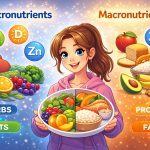
Micronutrients play a crucial role in supporting the immune system. Vitamin C, vitamin D, zinc, and iron are particularly important during illness, as they help regulate immune responses and reduce inflammation. Fruits, vegetables, nuts, and whole grains provide these essential nutrients in natural forms that are easier for the body to absorb. While supplements can be useful in some cases, whole foods remain the most balanced source of micronutrients. A nutrient-dense diet helps the body respond more effectively to infection and recover more quickly.
Easy-to-Digest Foods and Appetite Management
Illness often reduces appetite and makes digestion more difficult, so choosing light, easy-to-digest foods is important. Options such as soups, broths, oatmeal, rice, bananas, and steamed vegetables are gentle on the digestive system while still providing necessary nutrients. Eating smaller, more frequent meals can be more manageable than trying to consume large portions. Warm foods can also be comforting and easier to tolerate. Listening to the body’s signals and adjusting food choices accordingly helps maintain energy without overwhelming the digestive system.
Energy Balance and Rest
Nutrition and rest work together during illness. The body prioritizes healing, which means energy must be allocated efficiently. Consuming enough calories—even in small amounts—ensures that the body does not begin breaking down muscle tissue for energy. At the same time, adequate rest allows nutrients to be used effectively for recovery rather than being spent on physical activity. Maintaining this balance between energy intake and rest is essential for optimal healing.
Interesting Facts
- The immune system can increase energy usage by up to 30% during illness.
- Warm liquids like soup can help improve nasal airflow and ease congestion.
- Loss of appetite during illness is partly controlled by immune signaling molecules.
- The body may temporarily alter taste perception, making food seem bland or metallic.
- Fever can increase fluid loss significantly, even without visible sweating.
Glossary
- Hydration — maintaining proper fluid balance in the body for optimal function.
- Protein — a nutrient made of amino acids that supports tissue repair and immune function.
- Micronutrients — vitamins and minerals required in small amounts for health and recovery.
- Immune System — the body’s defense system against infections and diseases.
- Metabolism — the set of processes that convert food into energy and support bodily functions.