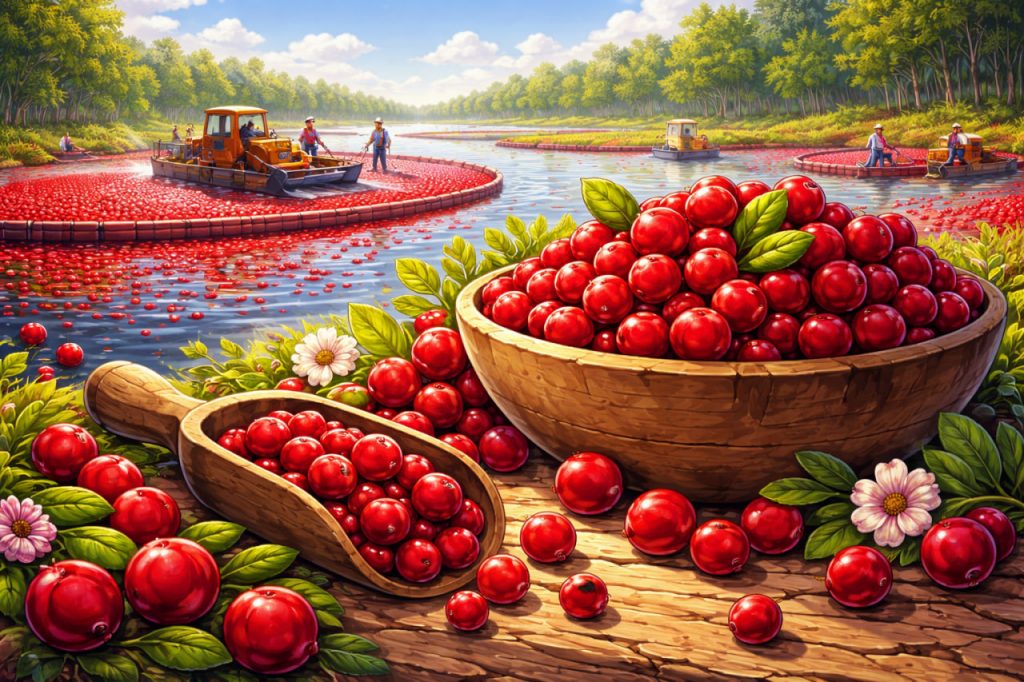
Cranberries are small, bright red berries that grow in cool climates and are widely known for their distinct tart flavor and nutritional value. Native to North America, cranberries have been used for centuries both as food and in traditional practices. Today, they are commonly consumed in juices, dried snacks, sauces, and fresh dishes. Despite their small size, cranberries are rich in important nutrients and natural compounds that make them a valuable addition to a balanced diet.
Where Cranberries Grow
Cranberries grow on low, creeping vines in wetland environments known as bogs. These unique growing conditions allow farmers to cultivate cranberries in water-controlled fields. During harvest season, bogs are often flooded, making it easier to collect the floating berries. Agricultural specialist Dr. Elena Morozova explains:
“Cranberries are specially adapted to acidic, water-rich soils, which makes their cultivation quite unique.”
These growing methods are one of the reasons cranberries are associated with specific regions such as North America and parts of Northern Europe.
Nutritional Benefits
Cranberries are valued for their high content of vitamin C, fiber, and antioxidants. Antioxidants help protect cells from oxidative stress, which is a natural process in the body. Cranberries also contain plant compounds known as polyphenols, which contribute to their bright color and nutritional profile. Because of their low sugar content compared to many fruits, cranberries are often included in various dietary patterns.
Fresh vs Processed Cranberries
Fresh cranberries are known for their intense sour taste, which is why they are often processed into juices, dried fruits, or sauces. Dried cranberries are commonly used in salads and baked goods, while cranberry juice is widely consumed around the world. However, processed cranberry products may contain added sugars, which can change their nutritional balance.
Cranberries in Cuisine
Cranberries are a versatile ingredient in cooking. They are often used in sauces, desserts, and savory dishes. In some cuisines, cranberry sauce is traditionally served with roasted meats. Their tart flavor provides contrast to sweet or rich foods, making them a popular addition to many recipes.
Harvesting and Production
The cranberry harvest is a visually distinctive process. Farmers flood cranberry bogs, causing the berries to float to the surface. Specialized equipment is then used to gather them efficiently. This method helps preserve the quality of the fruit and makes large-scale harvesting possible.
A Unique and Recognizable Berry
Cranberries stand out among fruits due to their flavor, growing conditions, and uses in food. Their bright color and tart taste make them easily recognizable, while their nutritional profile supports their popularity in modern diets. From fresh berries to juices and sauces, cranberries continue to be an important agricultural and culinary product.
Interesting Facts
- Cranberries grow in water-filled bogs.
- Fresh cranberries are naturally very tart in flavor.
- They contain vitamin C and antioxidants.
- Berries float during harvest, making them easier to collect.
- Cranberries are widely used in juices and sauces.
Glossary
- Cranberry — a small red berry known for its tart taste and nutritional value.
- Bog — a wetland area where cranberries are cultivated.
- Antioxidant — a substance that helps protect cells from damage.
- Polyphenols — natural plant compounds found in fruits and vegetables.
- Harvest — the process of collecting crops from fields.