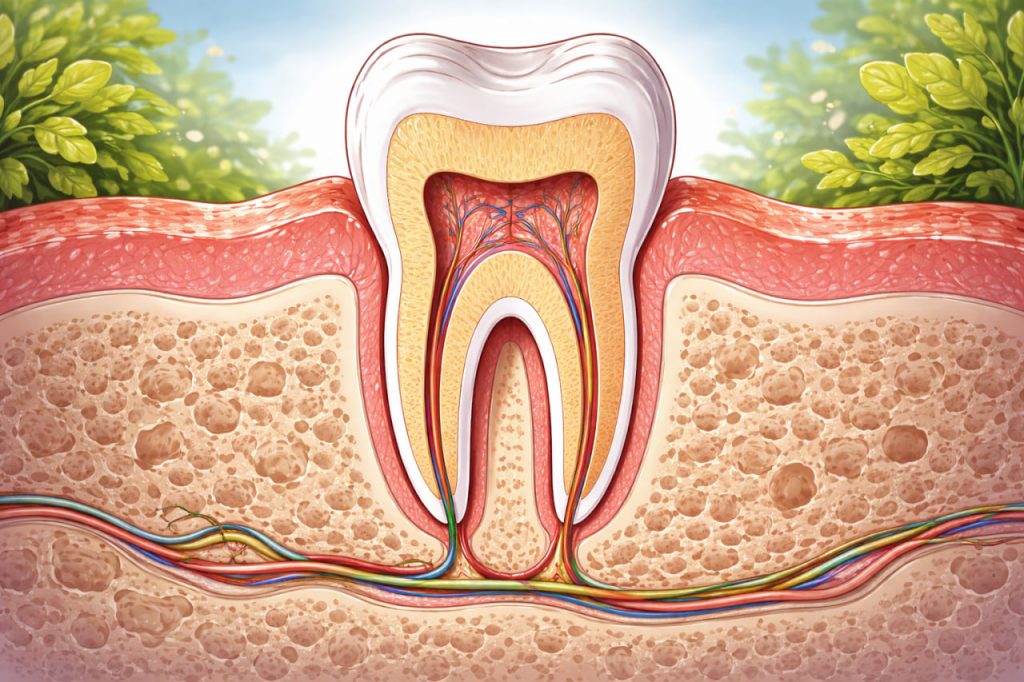
Human teeth are complex biological structures designed to withstand constant mechanical stress while performing precise functions. They are not simple solid objects, but layered systems where each component plays a…
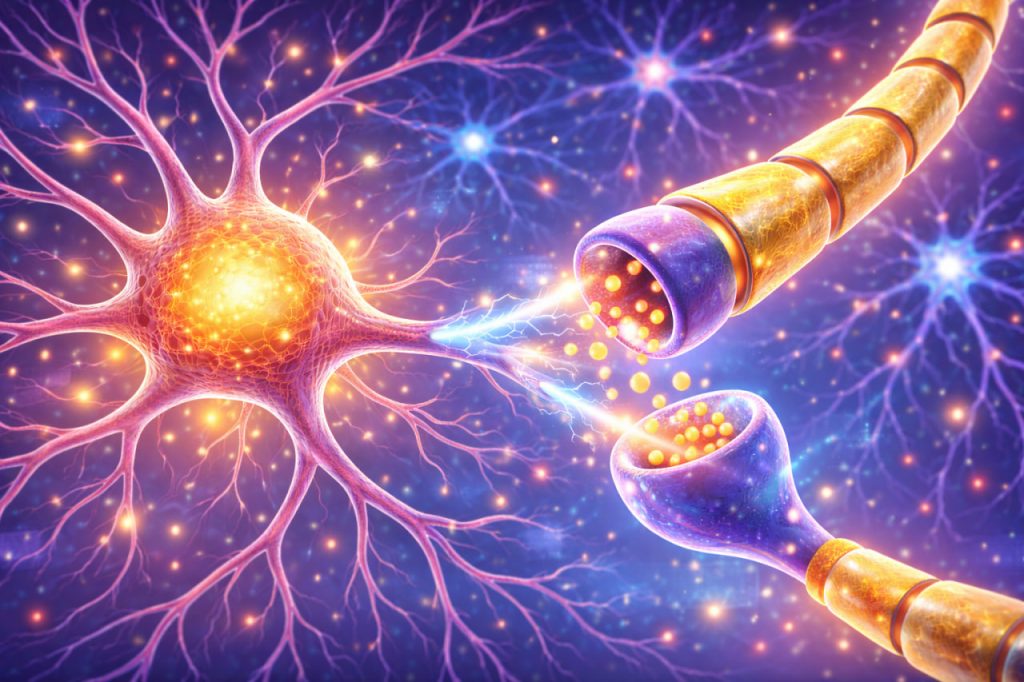
A neuron is a fundamental building block of the nervous system, responsible for receiving, processing, and transmitting information. Every thought, movement, sensation, and emotion depends on the coordinated activity of…
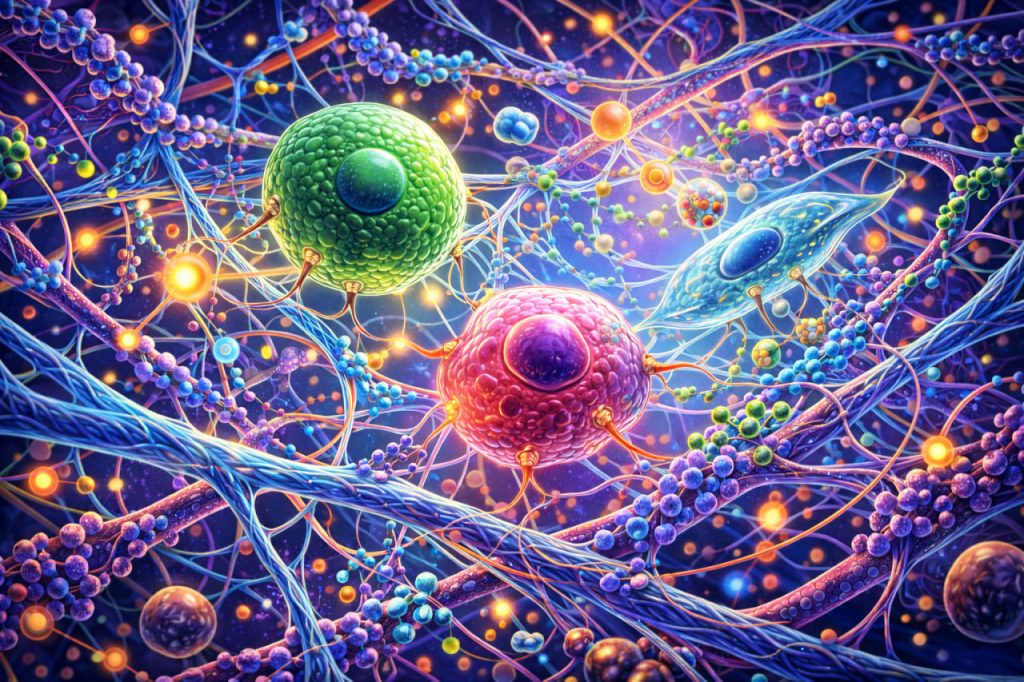
The extracellular matrix is no longer viewed as a passive scaffold that merely holds cells in place. Modern research reveals it as a dynamic, information-rich system that actively regulates how…
For physically trained men, everyday habits often become an extension of their fitness routine, including how they move, sit, and carry additional weight. One such habit is the regular use…
The gut microflora plays a central role in digestion, immunity, and overall metabolic balance. Trillions of microorganisms living in the intestines help break down food, produce vitamins, protect against pathogens,…
Water is the fundamental component of the human body and the basis of nearly all biological processes. On average, the adult human body consists of more than half water, with…
Fasting has been practiced for thousands of years for cultural, religious, and philosophical reasons, long before it became a topic of scientific research. In recent decades, interest in fasting has…
Alarm clocks are a nearly universal part of modern life, yet their influence on health is often underestimated. The way a person wakes up affects not only mood, but also…
Hormonal balance refers to the coordinated interaction of dozens of hormones that regulate nearly every process in the human body. From growth and metabolism to mood, sleep, and reproduction, hormones…
Estrogen is often described as a “female hormone,” but this simplified label hides its far broader biological importance. In reality, estrogen is a group of hormones that play essential roles…