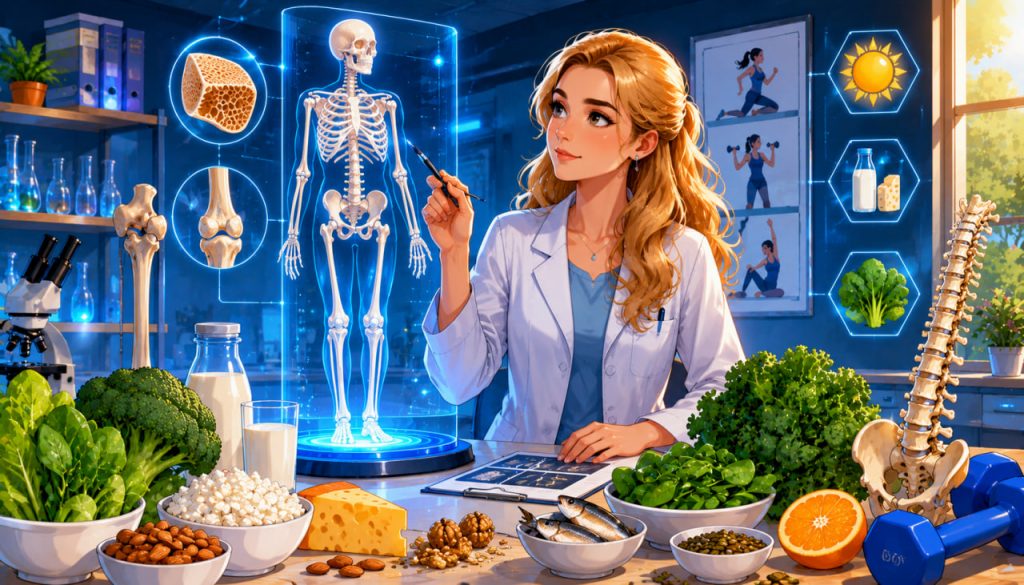
Osteoporosis is one of the most common age-related health conditions worldwide. Often called the “silent disease,” it can develop for years without noticeable symptoms until a fracture occurs. Millions of people discover they have osteoporosis only after breaking a hip, wrist, or vertebra from a fall that would not have injured healthy bones.
The good news is that bone loss is not an inevitable consequence of aging. While some decline in bone density naturally occurs over time, many lifestyle choices can significantly influence bone health. Proper nutrition, regular exercise, and preventive medical care can help maintain stronger bones and reduce the risk of fractures later in life.
Understanding how bones work and how osteoporosis develops is the first step toward protecting skeletal health for decades to come.
What Is Osteoporosis?
Osteoporosis is a condition in which bones become less dense and more fragile.
Healthy bones are not solid structures. Instead, they contain a complex internal framework that resembles a honeycomb.
In osteoporosis:
- Bone density decreases.
- Internal bone structure weakens.
- Fracture risk increases.
As the spaces within the bone enlarge, the skeleton becomes less able to withstand everyday stresses.
How Bones Constantly Renew Themselves
Many people assume that bones are static structures.
In reality, bones are living tissues that continuously undergo a process called bone remodeling.
Two specialized cell types perform this work:
- Osteoclasts break down old bone.
- Osteoblasts build new bone.
During youth, bone formation exceeds bone loss.
Peak bone mass is usually reached between the ages of 25 and 30.
Afterward, bone breakdown gradually begins to outpace bone formation.
Why Osteoporosis Develops
Several factors contribute to osteoporosis.
The most important include:
- Aging
- Hormonal changes
- Physical inactivity
- Poor nutrition
- Certain medications
- Smoking
- Excessive alcohol consumption
In women, osteoporosis becomes particularly common after menopause because estrogen plays a critical role in maintaining bone density.
The Hidden Nature of the Disease
One reason osteoporosis is dangerous is that it often develops silently.
Most people experience:
- No pain
- No obvious symptoms
- No physical warning signs
The first indication may be:
- A broken wrist
- A fractured hip
- Compression fractures in the spine
This is why prevention and early screening are so important.
Why Strong Bones Matter
Healthy bones provide much more than structural support.
They:
- Protect vital organs
- Store minerals
- Support movement
- Produce blood cells through bone marrow
Maintaining bone strength helps preserve independence and quality of life as people age.
Calcium: The Foundation of Bone Health
Calcium is the primary mineral found in bones.
If dietary calcium intake is insufficient, the body may withdraw calcium from the skeleton to maintain critical functions.
Good calcium sources include:
- Dairy products
- Leafy green vegetables
- Sardines
- Fortified foods
- Tofu
Meeting daily calcium requirements is one of the most important strategies for preserving bone density.
Vitamin D: The Calcium Partner
Calcium alone is not enough.
The body requires vitamin D to absorb calcium effectively.
Sources of vitamin D include:
- Sunlight exposure
- Fatty fish
- Egg yolks
- Fortified foods
- Supplements when needed
Low vitamin D levels are associated with reduced bone health and increased fracture risk.
Exercise: A Natural Bone Builder
Bones respond to physical stress.
When muscles pull on bones during activity, the skeleton adapts by becoming stronger.
Particularly beneficial activities include:
- Walking
- Hiking
- Dancing
- Tennis
- Strength training
- Stair climbing
These weight-bearing exercises stimulate bone formation and help maintain density.
The Importance of Muscle Strength
Strong muscles support strong bones.
Muscle-strengthening exercises can:
- Improve balance
- Reduce fall risk
- Increase mobility
- Support skeletal health
Falls are a major cause of fractures in older adults.
Maintaining muscle strength is therefore an important part of osteoporosis prevention.
Lifestyle Habits That Protect Bones
Several healthy habits can reduce bone loss over time.
These include:
- Avoiding smoking
- Limiting excessive alcohol consumption
- Maintaining a healthy body weight
- Staying physically active
- Eating a nutrient-rich diet
Small daily choices can have long-term effects on skeletal health.
Screening and Early Detection
Doctors often use a test called a DEXA scan to measure bone mineral density.
This painless scan helps identify:
- Normal bone density
- Osteopenia (early bone loss)
- Osteoporosis
Early detection allows treatment and lifestyle modifications before fractures occur.
Expert Perspective
Endocrinologist Felicia Cosman, a leading expert in bone health, has emphasized that osteoporosis is both preventable and treatable. Her research highlights the importance of combining proper nutrition, physical activity, and medical screening to reduce fracture risk and preserve quality of life.
Can Bone Loss Be Reversed?
While severe osteoporosis can be challenging to fully reverse, treatment and lifestyle interventions can often:
- Slow bone loss
- Improve bone density
- Reduce fracture risk
Modern medications, combined with healthy habits, have significantly improved outcomes for many patients.
The earlier preventive measures begin, the better the results are likely to be.
Building Strong Bones Throughout Life
Bone health is not something that suddenly becomes important in old age.
The foundation for healthy bones is built throughout life.
Children and young adults benefit from:
- Good nutrition
- Physical activity
- Adequate vitamin D
These habits help maximize peak bone mass, creating a stronger reserve for later years.
Conclusion
Osteoporosis is a common but often preventable condition that affects millions of people worldwide. By maintaining adequate calcium and vitamin D intake, staying physically active, building muscle strength, avoiding harmful habits, and receiving appropriate screening, individuals can significantly improve their chances of preserving strong bones as they age.
Healthy bones support mobility, independence, and overall well-being. Investing in bone health today can help prevent fractures and maintain a higher quality of life in the future.
Interesting Facts
- Bone is living tissue that constantly renews itself.
- Humans typically reach peak bone mass around age 30.
- Hip fractures are among the most serious complications of osteoporosis.
- Weight-bearing exercise helps stimulate bone formation.
- Vitamin D is essential for effective calcium absorption.
- Osteoporosis affects both women and men, although women are affected more frequently.
Glossary
- Osteoporosis — A disease characterized by reduced bone density and increased fracture risk.
- Bone Density — The amount of mineral content within bones.
- Osteoblast — A cell that builds new bone tissue.
- Osteoclast — A cell that breaks down old bone tissue.
- DEXA Scan — A medical imaging test used to measure bone mineral density.
- Osteopenia — Lower-than-normal bone density that may precede osteoporosis.