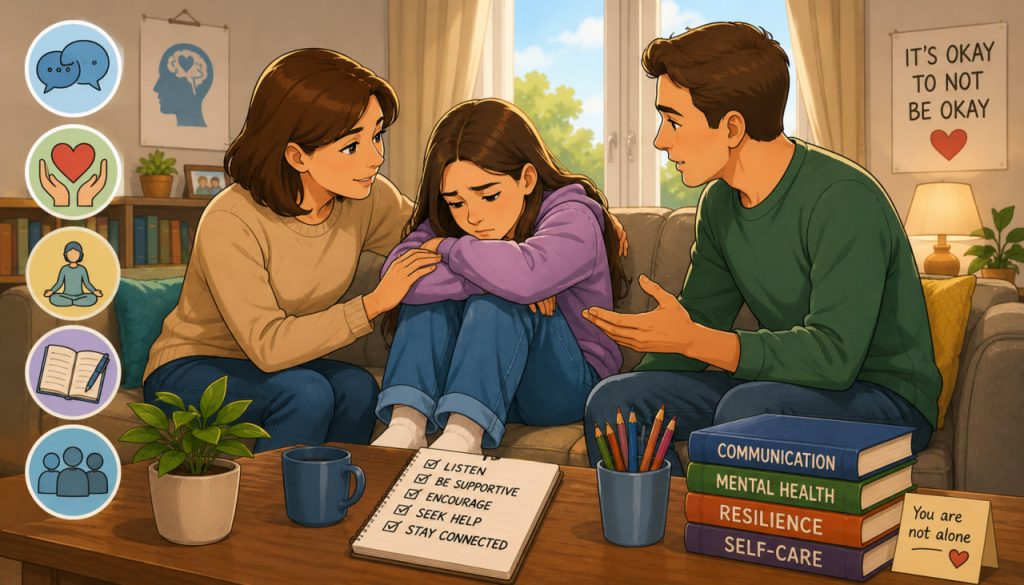
In recent years, mental health experts, educators, and parents have become increasingly concerned about the rise of self-harm among children and teenagers. While self-harm is not a new phenomenon, the spread of information through social media and online communities has made the issue more visible and, in some cases, more widespread.
Understanding why self-harm occurs, recognizing warning signs, and creating a supportive environment are essential steps in protecting young people. Early intervention can make a significant difference and help children develop healthier ways to cope with emotional challenges.
What Is Self-Harm?
Self-harm refers to deliberately causing injury to one’s own body as a way of coping with emotional distress. Importantly, self-harm is often not intended as a suicide attempt, although it is considered a serious mental health concern and can increase the risk of future suicidal behavior.
Young people who engage in self-harm may be experiencing:
- Intense emotional pain
- Anxiety
- Depression
- Feelings of isolation
- Difficulty expressing emotions
Mental health professionals view self-harm as a sign that a child or teenager is struggling and needs support.
Why Is Self-Harm Becoming More Visible?
Several factors have contributed to increased awareness of self-harm.
These include:
- Greater public discussion of mental health
- Increased reporting and research
- Social media exposure
- Academic and social pressures
- Growing awareness among parents and teachers
While awareness is important, experts are concerned that online content can sometimes normalize harmful behaviors or expose vulnerable young people to unhealthy coping strategies.
Why Do Some Children and Teenagers Self-Harm?
There is rarely a single cause.
Common contributing factors include:
Emotional Overload
Some young people feel overwhelmed by emotions they do not know how to manage.
These emotions may include:
- Sadness
- Anger
- Fear
- Shame
- Loneliness
Self-harm may temporarily distract from emotional pain, even though it does not solve underlying problems.
Mental Health Conditions
Self-harm is often associated with:
- Depression
- Anxiety disorders
- Eating disorders
- Trauma-related conditions
However, not every child who self-harms has a diagnosed mental illness.
Social Pressure and Bullying
Bullying, social rejection, and online harassment can significantly affect a young person’s emotional well-being.
Children who feel excluded or repeatedly criticized may be more vulnerable to unhealthy coping behaviors.
Warning Signs Parents Should Know
Recognizing early signs can help families intervene before problems become more serious.
Possible warning signs include:
- Unexplained cuts, scratches, or bruises
- Wearing long sleeves even in warm weather
- Sudden withdrawal from friends and family
- Increased secrecy
- Noticeable mood changes
- Loss of interest in previously enjoyed activities
None of these signs automatically mean a child is self-harming, but they may indicate emotional distress that deserves attention.
How Parents Can Help Prevent Self-Harm
Prevention starts with building strong emotional connections.
Create Open Communication
Children should feel safe discussing difficult emotions without fear of punishment or judgment.
Helpful approaches include:
- Listening calmly
- Asking open-ended questions
- Validating feelings
- Avoiding criticism
A supportive conversation can often reveal concerns that might otherwise remain hidden.
Teach Healthy Coping Skills
Children need alternatives for managing stress and strong emotions.
Healthy coping strategies include:
- Physical activity
- Creative hobbies
- Journaling
- Relaxation techniques
- Spending time outdoors
- Talking with trusted adults
Teaching these skills early can improve emotional resilience.
Monitor Online Activity Responsibly
The internet can be a valuable resource, but it can also expose children to harmful content.
Parents can:
- Discuss online safety openly
- Encourage critical thinking
- Maintain age-appropriate supervision
- Talk about unhealthy online influences
The goal is guidance rather than constant surveillance.
What to Do If You Suspect Self-Harm
If you believe your child may be self-harming:
- Stay calm.
- Avoid expressing anger or shock.
- Focus on understanding rather than punishment.
- Encourage honest conversation.
- Seek professional support if needed.
Experts consistently emphasize that compassion is more effective than confrontation.
The Role of Professional Help
Mental health professionals can provide valuable support when self-harm is present.
Treatment may involve:
- Psychological counseling
- Family therapy
- Cognitive Behavioral Therapy (CBT), a method that helps people recognize and change unhealthy thought patterns
- Treatment for underlying mental health conditions
According to child psychiatrist Dr. David Brent, a leading researcher in adolescent mental health:
“Early recognition and supportive intervention can significantly improve outcomes for young people experiencing emotional distress.”
Professional assistance can help identify the root causes and teach healthier coping mechanisms.
Building Emotional Resilience in Children
One of the most effective long-term protective factors is resilience.
Children become more resilient when they:
- Feel supported by adults
- Learn problem-solving skills
- Develop healthy friendships
- Experience a sense of belonging
- Build confidence through achievement and effort
Resilience does not eliminate difficulties, but it helps children navigate challenges more effectively.
Why Awareness Matters
Self-harm should never be dismissed as attention-seeking or a passing phase. It is often a signal that a young person is struggling with emotional pain.
By promoting open communication, mental health education, and supportive relationships, families and communities can help reduce the risk and encourage healthier coping strategies.
The earlier concerns are recognized, the greater the opportunity to provide meaningful support.
P.S. Remember that all we can give our children is our love and our positive example.
Interesting Facts
- Self-harm can affect people from many different backgrounds and age groups.
- Emotional support from trusted adults is considered one of the strongest protective factors for young people.
- Many individuals who receive appropriate support learn healthier coping skills and recover successfully.
- Schools increasingly include mental health education as part of student wellness programs.
- Strong social connections are associated with better mental health outcomes in adolescents.
Glossary
- Self-Harm — Deliberately injuring oneself as a way of coping with emotional distress.
- Emotional Resilience — The ability to adapt and recover from challenges or stress.
- Depression — A mental health condition characterized by persistent sadness and loss of interest.
- Anxiety — Excessive worry, fear, or nervousness that interferes with daily life.
- Cognitive Behavioral Therapy (CBT) — A form of therapy that helps people identify and change unhelpful thinking patterns.