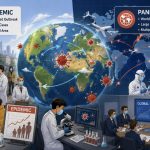
Pandemics are among the most serious global challenges humanity can face. Large-scale outbreaks affect not only healthcare systems, but also:
- Daily routines
- Mental health
- Economies
- Travel
- Education
- Social stability
Modern civilization is highly interconnected, which allows infectious diseases to spread rapidly across countries and continents. During pandemics, people often experience uncertainty, fear, stress, and major lifestyle changes.
However, history and modern science show that preparation, calm decision-making, and practical habits can significantly improve personal safety and resilience.
Surviving a pandemic is not only about avoiding infection. It also involves maintaining:
- Physical health
- Mental stability
- Social responsibility
- Reliable information habits
- Long-term resilience
Understanding how to prepare and respond rationally may help individuals and families navigate difficult situations more effectively.
Stay Informed From Reliable Sources
One of the most important survival strategies during a pandemic is:
- Accurate information
Misinformation spreads extremely quickly during crises.
Reliable information should come from:
- Public health organizations
- Medical professionals
- Scientific institutions
- Trusted healthcare agencies
Avoid relying entirely on:
- Rumors
- Viral social media posts
- Unverified claims
Epidemiologist Michael Osterholm explained:
“Fear spreads faster than viruses when people lack clear information.”
Remaining informed helps reduce panic and improve decision-making.
Practice Good Hygiene
Basic hygiene remains one of the most effective defenses against many infectious diseases.
Important habits include:
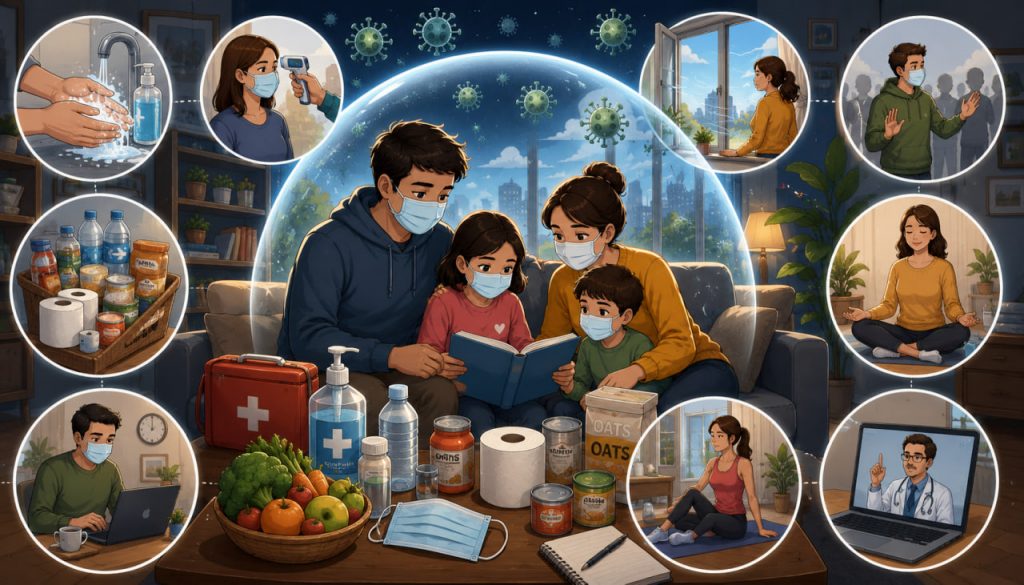
- Regular hand washing
- Avoiding touching the face
- Cleaning frequently touched surfaces
- Covering coughs and sneezes
Soap and water are highly effective against many pathogens because they help break down viral particles and remove contaminants.
Good hygiene protects both individuals and communities.
Understand How Diseases Spread
Different pathogens spread differently.
Some diseases spread through:
- Airborne droplets
- Physical contact
- Contaminated surfaces
- Food or water
- Animal transmission
Understanding transmission methods helps people adapt behavior appropriately.
Reducing unnecessary exposure becomes especially important during active outbreaks.
Build a Basic Emergency Supply Kit
Pandemic preparation does not require panic buying.
However, maintaining reasonable emergency supplies may reduce stress during disruptions.
Useful items may include:
- Non-perishable food
- Clean water
- Basic medications
- Hygiene products
- Thermometers
- Flashlights
- Batteries
Preparation should remain practical and moderate rather than excessive.
Protect Mental Health
Pandemics often create:
- Anxiety
- Isolation
- Uncertainty
- Emotional fatigue
Mental health becomes just as important as physical health.
Helpful strategies include:
- Maintaining routines
- Staying socially connected
- Limiting doom-scrolling
- Taking breaks from constant news exposure
- Spending time outdoors safely when possible
Psychological resilience plays a major role during long-term crises.
Sleep and Immune Function
Good sleep strongly supports immune health.
Sleep deprivation may negatively affect:
- Recovery
- Stress management
- Cognitive performance
- Immune response
During stressful periods, maintaining healthy sleep habits becomes especially important.
Experts often recommend:
- Consistent sleep schedules
- Reducing nighttime screen exposure
- Creating calm sleep environments
Nutrition and Physical Health
Balanced nutrition supports overall resilience.
Important priorities include:
- Fruits and vegetables
- Hydration
- Protein sources
- Vitamin-rich foods
Extreme restrictive diets or “miracle cures” promoted online should be approached carefully.
Regular moderate exercise may also help support:
- Cardiovascular health
- Stress reduction
- Energy levels
- Mental well-being
Physical activity remains important even during periods of restricted movement.
Vaccination and Medical Guidance
Vaccines became one of the most important tools in modern public health.
Vaccination may help:
- Reduce severe illness
- Protect vulnerable populations
- Slow disease spread
Medical decisions should ideally be discussed with qualified healthcare professionals, especially for individuals with specific health conditions.
Public health recommendations may evolve as scientific knowledge improves during outbreaks.
Masks and Respiratory Protection
During respiratory pandemics, masks may help reduce transmission in certain situations.
Effectiveness depends on:
- Proper use
- Mask quality
- Community behavior
- Ventilation conditions
Mask policies often vary depending on:
- Disease characteristics
- Infection rates
- Healthcare capacity
Understanding the scientific purpose of protective measures helps improve compliance and reduce confusion.
Ventilation and Indoor Air
Indoor air quality became increasingly important in modern outbreak management.
Good ventilation may help reduce airborne particle concentration.
Helpful measures include:
- Opening windows
- Improving airflow
- Using air filtration systems when appropriate
Crowded poorly ventilated environments may increase transmission risk for some respiratory diseases.
Social Responsibility During Pandemics
Pandemics are collective challenges.
Individual decisions may affect:
- Family members
- Elderly people
- Healthcare workers
- Vulnerable populations
Responsible behavior includes:
- Staying home when sick
- Following public health guidance
- Avoiding unnecessary exposure during outbreaks
Community cooperation often becomes essential for controlling large-scale disease spread.
Financial and Practical Preparation
Pandemics may temporarily disrupt:
- Employment
- Transportation
- Supply chains
- Businesses
Practical financial preparation may include:
- Emergency savings
- Budget planning
- Backup communication methods
Economic resilience helps reduce additional stress during uncertain periods.
Avoid Panic and Fear-Based Behavior
Fear itself may become dangerous during crises.
Panic often leads to:
- Poor decisions
- Social tension
- Misinformation spread
- Unnecessary conflict
Calm preparation is generally far more effective than emotional reaction.
Historically, societies respond best when people balance caution with rational thinking.
Technology and Remote Communication
Modern technology helps people maintain:
- Work
- Education
- Communication
- Healthcare access
Video calls, remote work systems, and digital learning platforms became critically important during recent global outbreaks.
Technology may significantly improve resilience during future pandemics.
Learning From Past Pandemics
History provides important lessons.
Humanity previously survived:
- Influenza pandemics
- Cholera outbreaks
- Smallpox
- Plague epidemics
Scientific progress continues improving:
- Medicine
- Vaccines
- Surveillance systems
- Global communication
Preparedness and cooperation remain humanity’s strongest tools.
Why Pandemic Preparedness Matters
Pandemics remind humanity how interconnected the modern world truly is.
Preparedness involves more than stockpiling supplies — it includes:
- Scientific literacy
- Emotional resilience
- Responsible behavior
- Community cooperation
While future outbreaks are likely inevitable, informed and prepared societies can reduce suffering significantly and respond more effectively to global health crises.
Interesting Facts
- Hand washing remains one of the most effective infection-control methods.
- Sleep quality strongly influences immune system performance.
- Modern air travel allows diseases to spread internationally very quickly.
- Ventilation became increasingly important in respiratory outbreak management.
- Public health systems use global monitoring networks to detect outbreaks early.
Glossary
- Pandemic — A worldwide disease outbreak affecting multiple countries or continents.
- Immune System — The body’s defense system against infections.
- Ventilation — Air circulation within indoor environments.
- Vaccination — A medical method helping the body recognize pathogens safely.
- Pathogen — A microorganism capable of causing disease.