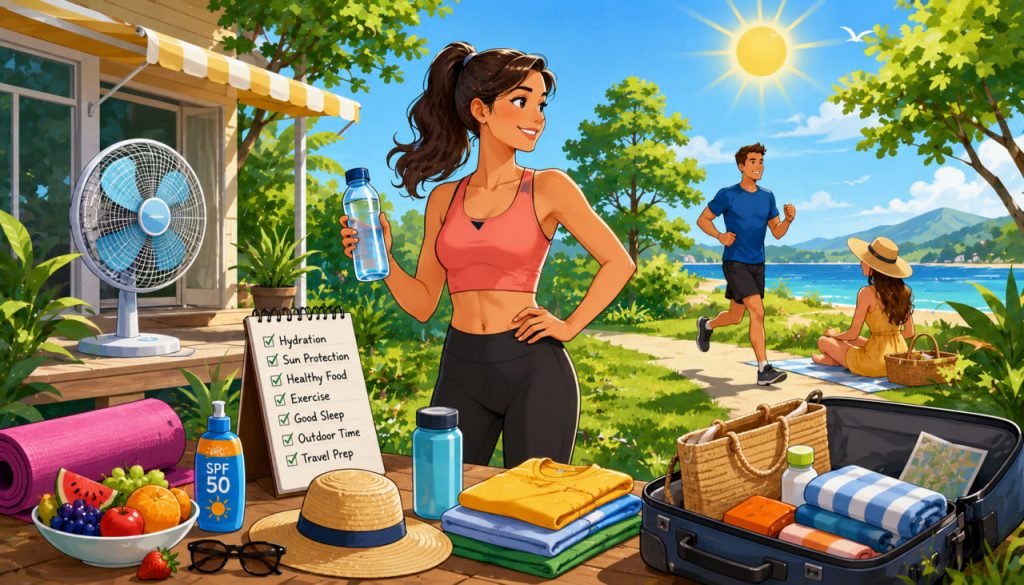
Summer is one of the most anticipated seasons of the year. Longer daylight hours, warmer temperatures, vacations, outdoor activities, beaches, forests, and fresh seasonal foods make summer feel energetic and refreshing for many people.
However, summer also creates new challenges for the human body and daily lifestyle. Heat, dehydration, ultraviolet radiation, changing sleep patterns, insects, and increased physical activity may affect:
- Health
- Energy levels
- Skin condition
- Sleep quality
- Physical performance
Preparing properly for summer can help people feel healthier, safer, and more comfortable during the hottest months of the year.
Modern health experts recommend preparing gradually rather than waiting for extreme heat to arrive suddenly. Small lifestyle adjustments before summer may significantly improve overall well-being.
Why Seasonal Preparation Matters
The human body constantly adapts to environmental conditions.
Winter and summer create very different demands involving:
- Temperature regulation
- Hydration
- Physical activity
- Sun exposure
- Nutrition
- Sleep cycles
Sudden seasonal changes may stress the body if adaptation occurs too quickly.
Preparing ahead helps the body transition more comfortably into warmer conditions.
Hydration Becomes More Important
One of the most important aspects of summer preparation is:
- Proper hydration
Hot weather increases sweating, causing greater water loss.
Even mild dehydration may affect:
- Energy
- Concentration
- Physical performance
- Mood
Health professionals generally recommend:
- Drinking water regularly
- Increasing fluid intake during heat or exercise
- Avoiding excessive sugary drinks
Nutrition expert Walter Willett explained:
“Hydration plays a fundamental role in overall human health and physical function.”
Summer heat makes hydration even more important.
Preparing the Skin for Sun Exposure
Summer sunlight increases exposure to:
- Ultraviolet (UV) radiation
Excessive UV exposure may contribute to:
- Sunburn
- Skin aging
- Long-term skin damage
Skin preparation includes:
- Using sunscreen
- Wearing protective clothing
- Gradual sun exposure
- Avoiding extreme midday heat
Dermatologists often emphasize that prevention is easier than treating sun damage later.
Skin care becomes especially important during outdoor activities.
Improving Physical Fitness Before Summer
Many people become more physically active during summer through:
- Walking
- Swimming
- Hiking
- Sports
- Travel
Gradually increasing activity levels before summer may help reduce:
- Fatigue
- Injury risk
- Heat stress
Good preparation includes:
- Stretching
- Cardiovascular exercise
- Building endurance
- Maintaining mobility
Physical conditioning also improves the body’s heat tolerance.
Nutrition and Seasonal Eating
Summer often changes eating habits naturally.
Many people prefer:
- Lighter meals
- Fresh fruits
- Vegetables
- Hydrating foods
Seasonal produce may provide important nutrients and water content.
Examples include:
- Watermelon
- Cucumbers
- Berries
- Tomatoes
Reducing excessively heavy meals during hot weather may improve comfort and digestion.
Balanced nutrition supports:
- Energy
- Immunity
- Heat adaptation
Sleep and Summer Heat
Hot weather may negatively affect sleep quality.
High nighttime temperatures can disrupt:
- Deep sleep
- Recovery
- Energy levels
Preparing sleeping environments may include:
- Better ventilation
- Cooling systems
- Lighter bedding
- Reduced evening heat exposure
Sleep researchers consistently emphasize the importance of cool sleeping conditions for recovery and health.
Good sleep becomes especially important during physically active summer months.
Preparing the Home for Summer
Summer preparation often includes adjusting living spaces for warmer conditions.
Important considerations include:
- Ventilation
- Air circulation
- Sunlight management
- Cooling efficiency
People may prepare:
- Air conditioners
- Fans
- Window shading
- Outdoor areas
Reducing indoor heat accumulation may improve comfort while lowering energy consumption.
Insects and Outdoor Safety
Warmer temperatures increase insect activity.
Mosquitoes, ticks, and other insects may become more active during summer.
Outdoor preparation may involve:
- Insect repellents
- Protective clothing
- Tick checks after hiking
- Avoiding stagnant water areas
Ticks are especially important because they may transmit diseases in some regions.
Outdoor safety preparation is an essential part of enjoying nature comfortably.
Mental Health and Summer Lifestyle
Summer often improves mood for many people due to:
- Increased sunlight
- Outdoor activity
- Social interaction
- Nature exposure
However, extreme heat may also increase:
- Irritability
- Fatigue
- Stress
Maintaining healthy routines during summer helps support both physical and mental well-being.
Psychologists often note that outdoor activity and natural environments may positively affect emotional health.
Travel and Vacation Preparation
Summer is a major travel season worldwide.
Good preparation may include:
- Sun protection
- Hydration planning
- Emergency supplies
- Appropriate clothing
- Medical preparation
Traveling during heat waves requires additional caution, especially for:
- Children
- Elderly individuals
- People with medical conditions
Preparation improves both safety and comfort during vacations and outdoor adventures.
Heat Waves and Climate Change
Climate scientists report that extreme heat events are becoming more common in some regions.
Heat waves may create serious health risks involving:
- Heat exhaustion
- Heatstroke
- Dehydration
Preparing for modern summers increasingly means understanding heat safety.
Important precautions include:
- Limiting activity during peak heat
- Seeking shade
- Monitoring hydration
- Watching for symptoms of overheating
Climate adaptation is becoming an increasingly important part of seasonal preparation.
Summer and Immune Health
Healthy summer habits may support immune function.
Important factors include:
- Sleep
- Nutrition
- Hydration
- Moderate exercise
- Stress management
Sudden overexposure to heat or exhaustion may weaken physical resilience.
Balanced lifestyle habits remain important year-round.
Digital Detox and Outdoor Time
Summer provides opportunities to reduce screen time and spend more time outdoors.
Nature exposure may support:
- Mental recovery
- Stress reduction
- Physical activity
- Emotional well-being
Many people use summer as a period to reconnect with:
- Nature
- Family
- Physical experiences
Modern lifestyles increasingly benefit from balancing technology with outdoor environments.
Why Summer Preparation Matters
Preparing for summer is not only about vacations or appearance.
It involves helping the body and mind adapt safely to changing environmental conditions.
Proper preparation may improve:
- Energy
- Health
- Comfort
- Sleep
- Outdoor safety
- Emotional well-being
Summer can become one of the healthiest and most enjoyable times of the year when approached thoughtfully and responsibly.
Interesting Facts
- The human body cools itself mainly through sweating.
- Sunlight helps the body produce vitamin D.
- Heat waves are becoming more common in some regions due to climate change.
- Water-rich fruits help support hydration during hot weather.
- Sleep quality often decreases during very hot nights.
Glossary
- Hydration — Maintaining adequate water levels in the body.
- Ultraviolet Radiation (UV) — Invisible sunlight radiation that may affect skin and health.
- Heatstroke — A dangerous condition caused by overheating.
- Ventilation — Air circulation within indoor spaces.
- Endurance — The body’s ability to sustain physical activity over time.