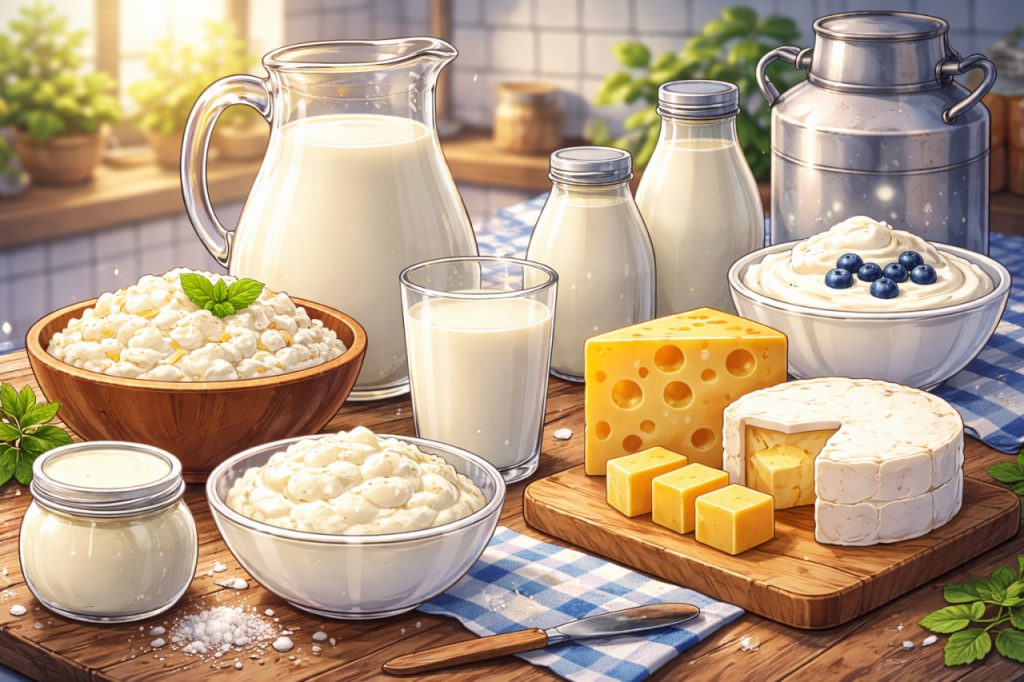
Dairy products are foods made from milk, most commonly obtained from cows, but also from goats, sheep, and other mammals. They are a major part of diets around the world…
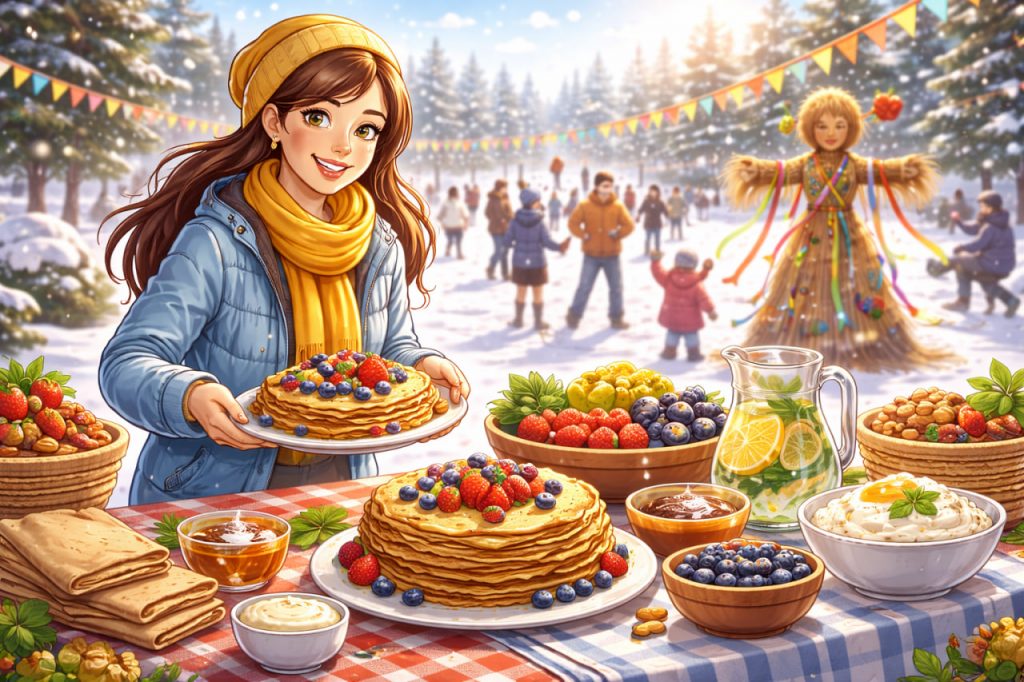
Maslenitsa is a traditional Slavic holiday marking the end of winter and the arrival of spring. It is widely known for its festive atmosphere, outdoor activities, and, of course, abundant…
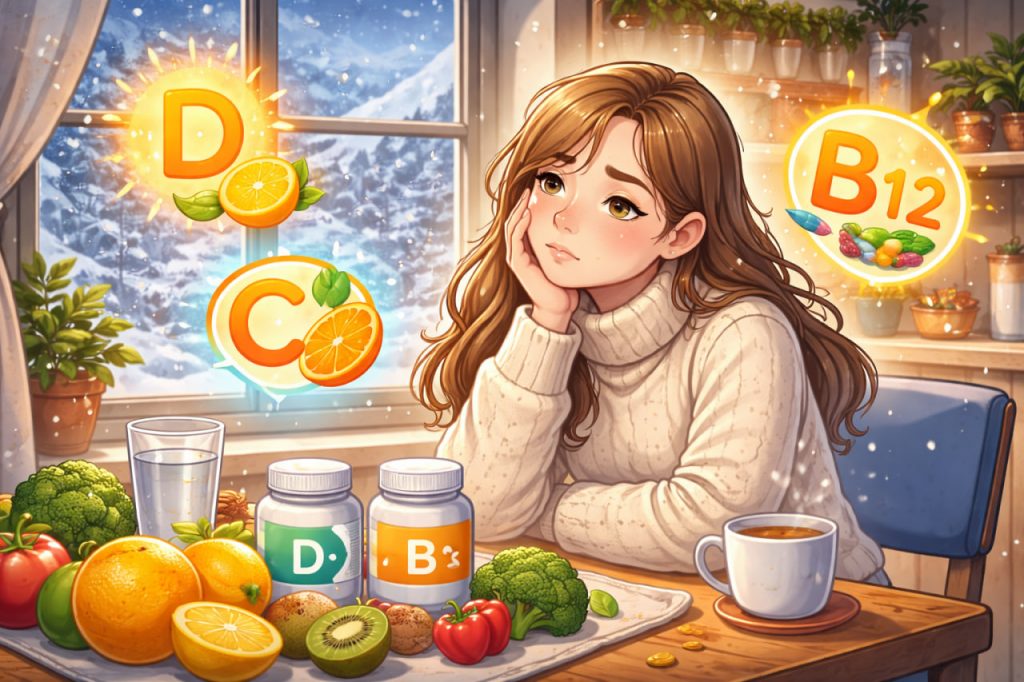
Winter vitamin deficiency is a common seasonal phenomenon that affects people across different climates and lifestyles. Shorter daylight hours, limited access to fresh foods, and reduced outdoor activity combine to…
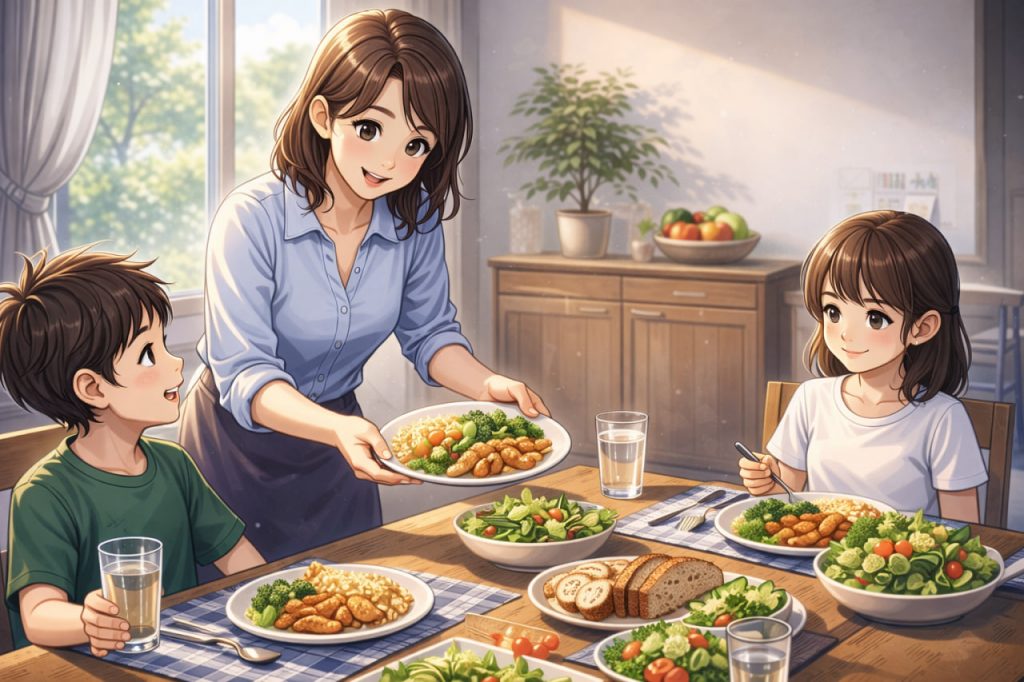
The question of how much food to eat at one time is just as important as what we eat. Overeating often leads to heaviness, fatigue, and digestive discomfort, while eating…
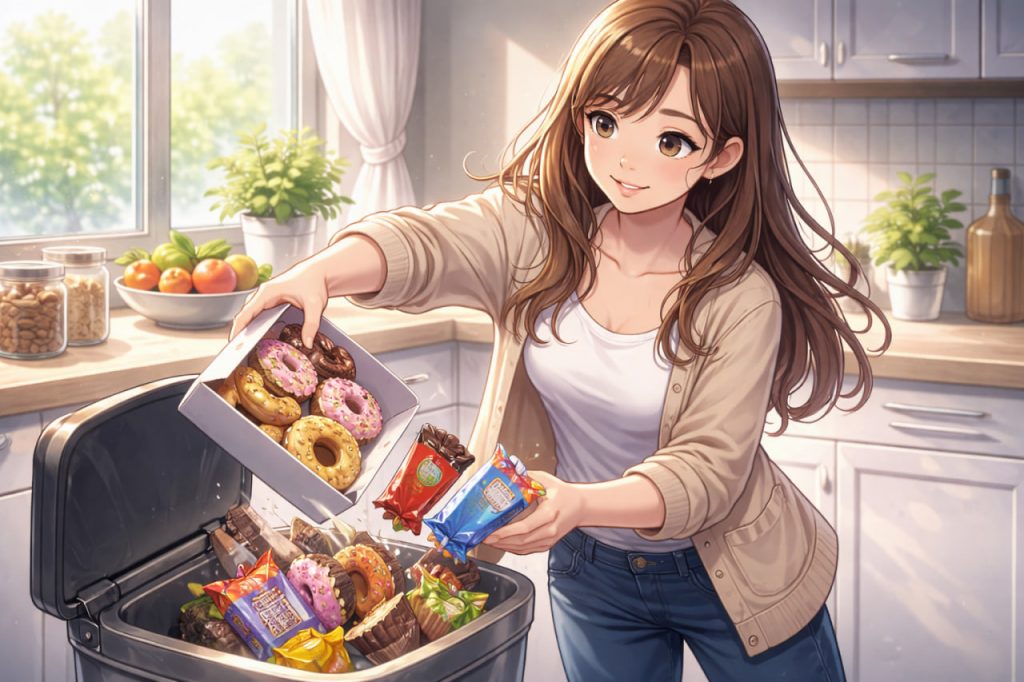
Sugar cravings are not just a matter of weak willpower—they are the result of biology, habits, emotions, and modern food environments. Sweet foods activate the brain’s reward system, creating quick…
Good habits are often seen as a matter of discipline, but modern science shows that habit formation is less about willpower and more about systems, environment, and repetition. Habits shape…
A simple glass of water is one of the most underestimated tools for maintaining health and well-being. Despite its simplicity, water plays a central role in nearly every process in…
Winter is often associated with cold weather, shorter days, and reduced physical activity, yet the snowy season can be a powerful ally for maintaining a healthy lifestyle. Snowy landscapes offer…
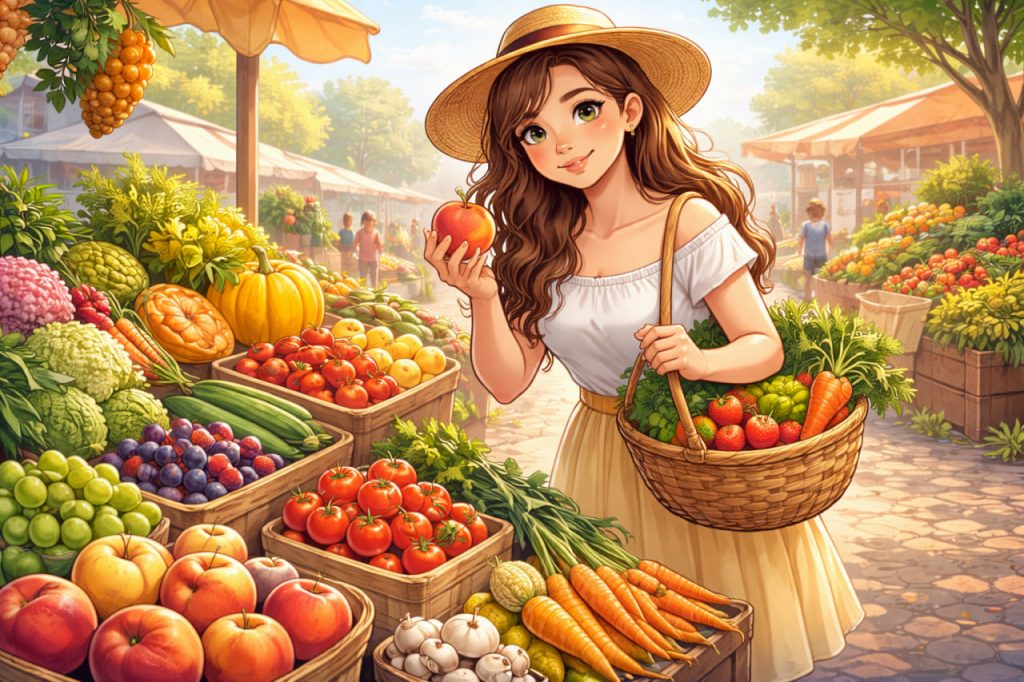
Seasonal eating is a practice rooted in tradition, agriculture, and human biology, long before global food supply chains existed. It means choosing foods that are naturally harvested at a particular…
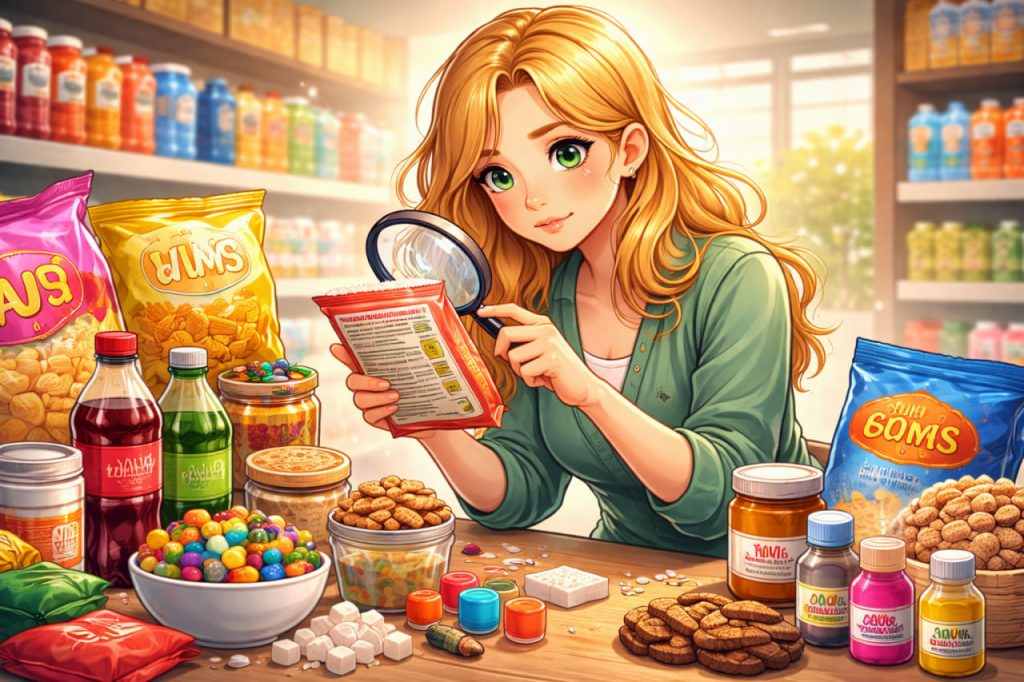
Modern supermarkets offer thousands of packaged products, but attractive packaging often hides complex ingredient lists that are difficult to understand. Learning how to read food labels is an essential skill…