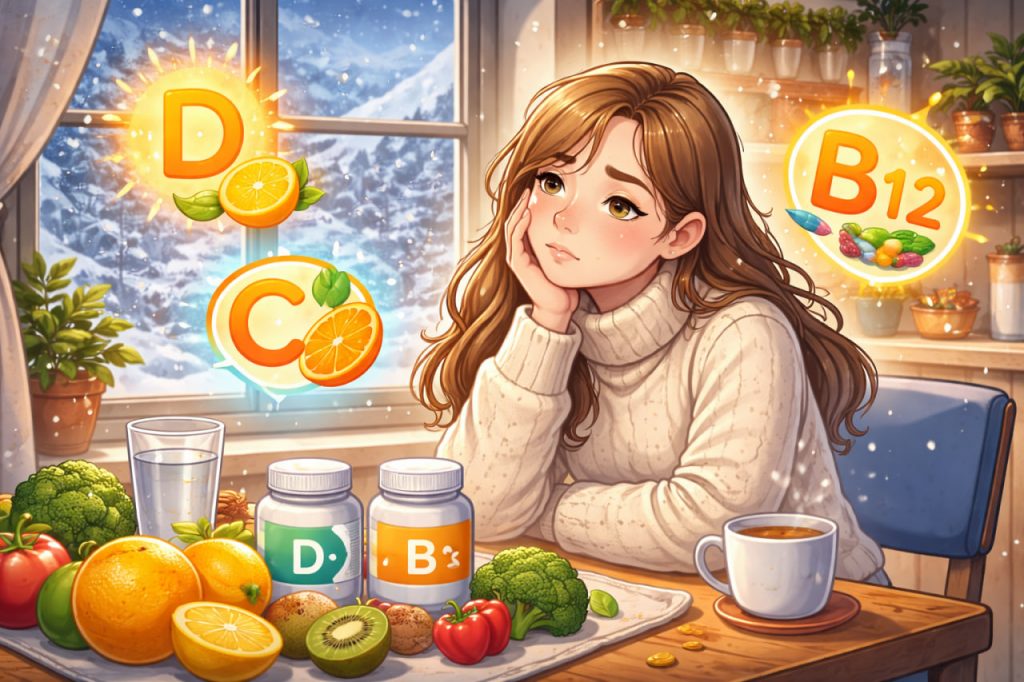
Winter vitamin deficiency is a common seasonal phenomenon that affects people across different climates and lifestyles. Shorter daylight hours, limited access to fresh foods, and reduced outdoor activity combine to lower the body’s intake and synthesis of essential nutrients. Unlike acute deficiencies, winter shortages often develop gradually, making them harder to notice until symptoms accumulate. Fatigue, lowered immunity, mood changes, and decreased concentration are frequently linked to this seasonal imbalance. Understanding why winter vitamin deficiency occurs helps explain many typical “winter problems” that people experience each year.
Why Vitamin Deficiency Is More Common in Winter
During winter, natural sources of vitamins become less accessible. Sunlight exposure decreases significantly, affecting the body’s ability to produce vitamin D. Fresh fruits and vegetables may be less available, more expensive, or stored for long periods, which reduces their nutritional value. People also tend to spend more time indoors and rely more on processed or comfort foods. Together, these factors create a nutritional gap that slowly impacts the body’s internal balance.
Vitamin D: The Most Affected Nutrient
Vitamin D deficiency is one of the most widespread winter issues. This vitamin is primarily synthesized in the skin through sunlight exposure, which is minimal during colder months in many regions. Low vitamin D levels are associated with weakened immunity, muscle discomfort, and reduced bone health. It also plays a role in mood regulation, which may explain the seasonal drop in energy and motivation many people experience. Winter deficiency often develops even in individuals who are otherwise healthy.
B Vitamins and Energy Levels
B-group vitamins, especially B6, B9 (folate), and B12, are essential for energy production and nervous system function. In winter, diets may include fewer fresh greens, legumes, and whole foods that supply these nutrients. Deficiency can contribute to fatigue, irritability, poor concentration, and sleep disturbances. Because symptoms are nonspecific, B-vitamin shortages are often overlooked or attributed to stress or lack of sleep.
Vitamin C and Immune Function
Vitamin C is strongly linked to immune defense and tissue repair. Although citrus fruits are often associated with winter, overall intake may still decrease due to limited variety and reliance on processed foods. Inadequate vitamin C can reduce the body’s ability to respond to infections and slow recovery. While severe deficiency is rare, mild insufficiency is common during cold seasons and can influence how frequently people get sick.
Minerals That Also Decline in Winter
Vitamin deficiency often occurs alongside reduced intake of key minerals such as iron, magnesium, and zinc. These elements support oxygen transport, muscle function, and immune response. Winter diets lower in fresh plant foods and higher in refined products can contribute to gradual mineral depletion. The combined effect of vitamin and mineral shortages can amplify fatigue and physical discomfort.
How the Body Signals Deficiency
The body rarely signals vitamin deficiency dramatically at first. Instead, symptoms appear subtly: persistent tiredness, frequent colds, dry skin, low mood, or reduced stress tolerance. These signs are often normalized as “winter tiredness,” delaying corrective action. Recognizing these patterns is essential for timely prevention rather than late intervention.
Supporting the Body During Winter
Maintaining nutritional balance in winter requires conscious effort. Prioritizing diverse foods, proper hydration, and regular movement supports nutrient utilization. Even small lifestyle adjustments—such as daylight exposure, balanced meals, and routine self-care—help reduce seasonal deficiency risk. Awareness is the first step toward prevention.
Interesting Facts
- Vitamin D production drops sharply during winter in most regions.
- Mild vitamin deficiencies can affect mood and concentration.
- Stored produce may lose nutrients over time.
- Winter fatigue is often linked to nutritional imbalance.
- Nutrient needs remain constant even when intake decreases.
Glossary
- Vitamin Deficiency — insufficient levels of essential vitamins in the body.
- Vitamin D — a nutrient involved in bone health, immunity, and mood regulation.
- B Vitamins — a group of vitamins supporting energy and nervous system function.
- Immune Function — the body’s ability to defend against illness.
- Seasonal Imbalance — physiological changes linked to seasonal conditions.