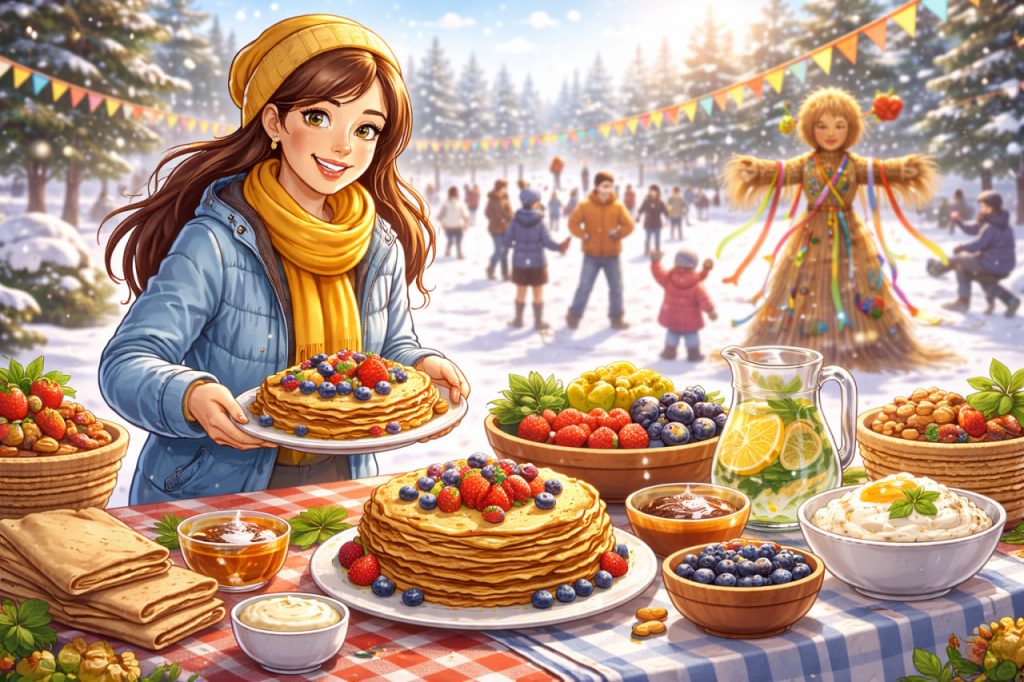
Maslenitsa is a traditional Slavic holiday marking the end of winter and the arrival of spring. It is widely known for its festive atmosphere, outdoor activities, and, of course, abundant pancakes. While the celebration is joyful and culturally meaningful, it is also often associated with heavy meals and overeating. However, it is entirely possible to honor tradition while maintaining a balanced and health-conscious approach. By combining mindful nutrition, physical activity, and moderation, Maslenitsa can become both festive and beneficial for well-being. Understanding how to adapt traditional practices helps preserve culture without compromising health.
Rethinking Traditional Pancakes
Pancakes are central to Maslenitsa, symbolizing the sun and warmth. Traditional recipes often include refined flour, butter, and sugary toppings. Nutrition specialist Dr. Irina Volkova explains:
“Celebration does not require excess.
Small adjustments to recipes can significantly improve nutritional balance.”
Using whole-grain flour, reducing added sugar, and choosing lighter cooking methods can make pancakes healthier. Instead of heavy cream or sweet syrups, fresh berries, yogurt, or nut-based spreads provide flavorful alternatives with added nutrients.
Portion Control and Balance
Maslenitsa meals often include multiple servings throughout the day. Mindful portion control helps prevent excessive calorie intake. Combining pancakes with protein-rich foods such as cottage cheese or eggs can increase satiety. Including fresh vegetables or salads alongside traditional dishes supports digestion. Drinking sufficient water and avoiding sugary beverages also contributes to better overall balance.
Physical Activity as Part of the Celebration
Maslenitsa traditionally includes outdoor games, sledding, dancing, and community gatherings. These activities naturally increase physical movement and energy expenditure. Incorporating active participation into the holiday maintains its joyful spirit while supporting cardiovascular health. Walking to events instead of driving and engaging in group activities strengthens both social bonds and physical fitness.
Moderation With Festive Foods
Traditional holidays often encourage indulgence, but moderation ensures long-term health. Eating slowly and savoring flavors reduces the likelihood of overeating. Paying attention to hunger and fullness cues supports better digestion. Limiting fried foods and choosing baked or lightly cooked alternatives reduces excess fat intake. Enjoyment does not depend on quantity but on shared experiences.
Mental and Social Well-Being
Beyond food, Maslenitsa is about connection and renewal. Spending time outdoors, socializing, and participating in cultural traditions promotes mental well-being. Seasonal transitions can influence mood, and positive gatherings support emotional health. Focusing on community, gratitude, and celebration enhances the holiday’s deeper meaning.
A Balanced Approach to Tradition
Celebrating Maslenitsa in a health-conscious way does not mean abandoning tradition. It means adapting customs thoughtfully to modern lifestyles. Balanced meals, physical activity, and mindful enjoyment allow the holiday to remain vibrant and meaningful. By integrating health awareness into celebration, Maslenitsa can symbolize not only the return of spring but also renewed vitality.
P.S. It’s better to replace white flour with whole grains, and your body will thank you. Boiled buckwheat with vegetables can help.
Interesting Facts
- Pancakes symbolize the sun and renewal in Maslenitsa traditions.
- Whole-grain flour increases fiber content.
- Outdoor winter activities boost cardiovascular health.
- Moderation helps prevent post-holiday fatigue.
- Seasonal celebrations often improve community well-being.
Glossary
- Maslenitsa — a traditional Slavic spring festival.
- Whole-Grain Flour — flour containing the entire grain kernel.
- Satiety — the feeling of fullness after eating.
- Cardiovascular Health — health of the heart and blood vessels.
- Moderation — balanced and controlled consumption.