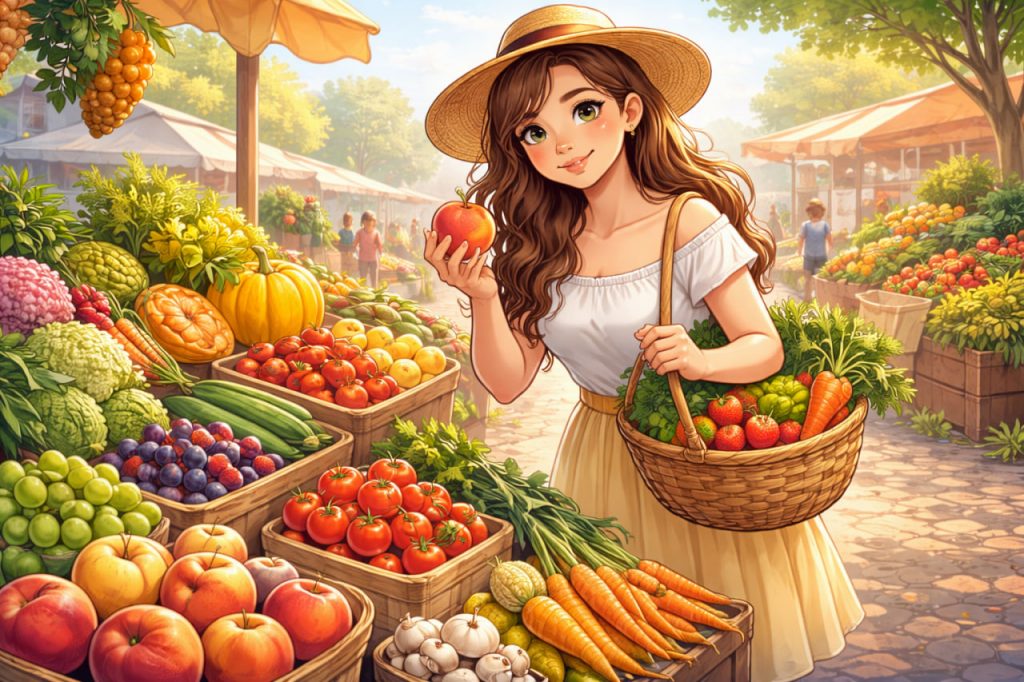
Seasonal eating is a practice rooted in tradition, agriculture, and human biology, long before global food supply chains existed. It means choosing foods that are naturally harvested at a particular time of year in a given region. While modern supermarkets offer nearly any product year-round, this convenience often comes at the cost of nutrition, environmental impact, and flavor. Eating seasonal foods aligns human diets with natural growth cycles, supporting both personal health and sustainable food systems. Understanding why seasonal eating matters helps reconnect daily food choices with the rhythms of nature.
What Seasonal Eating Really Means
Seasonal foods are fruits, vegetables, and other products harvested at their natural peak without excessive artificial intervention. These foods grow under optimal conditions, receiving the right balance of sunlight, temperature, and soil nutrients. As a result, they tend to be fresher and less dependent on long-distance transportation or prolonged storage. Seasonal eating does not require strict rules, but rather awareness of what naturally grows during different times of the year. This approach reflects how human diets evolved before refrigeration and industrial agriculture reshaped food availability.
Nutritional Advantages of Seasonal Foods
Foods harvested in season typically contain higher levels of vitamins, minerals, and antioxidants. Because they ripen naturally, their nutrient profiles develop fully before harvest. In contrast, off-season produce is often picked early and ripened artificially, which can reduce nutritional value. Studies show that vitamin C, beta-carotene, and other sensitive nutrients are more abundant in freshly harvested produce. Nutrition scientist Dr. Amelia Grant explains:
“Seasonal foods reach their nutritional peak when nature intends them to,
offering the body what it needs at the right time of year.”
This natural alignment supports immune function, energy levels, and overall well-being.
Better Taste and Natural Variety
Seasonal foods are widely recognized for their superior flavor. Fruits and vegetables grown in their proper season tend to be sweeter, richer, and more aromatic. This happens because natural ripening allows sugars and flavor compounds to fully develop. Eating seasonally also encourages dietary variety throughout the year. Instead of relying on the same foods daily, people naturally rotate ingredients, which supports balanced nutrient intake and prevents dietary monotony.
Environmental and Sustainability Benefits
Choosing seasonal products reduces the environmental footprint of food consumption. Off-season foods often require energy-intensive greenhouses, long-distance transportation, and extensive packaging. Seasonal eating lowers greenhouse gas emissions and supports local agriculture. It also reduces food waste, as fresher products spoil less quickly. Supporting local farmers strengthens regional food systems and promotes biodiversity within agricultural landscapes.
Economic and Community Impact
Seasonal foods are often more affordable because they are abundant at harvest time. When supply is high, prices naturally decrease. Buying seasonal produce also supports local economies and small-scale farmers. Farmers’ markets and local food cooperatives thrive on seasonal cycles, creating stronger connections between producers and consumers. This relationship fosters trust, transparency, and appreciation for how food is grown.
Seasonal Eating and Human Biology
Some researchers suggest that seasonal eating aligns with human biological rhythms. For example, water-rich fruits are more common in summer when hydration needs increase, while root vegetables and hearty crops dominate colder months when the body benefits from energy-dense foods. While modern science continues to explore this connection, traditional cultures around the world have long followed seasonal dietary patterns instinctively.
How to Start Eating Seasonally
Eating seasonally does not require perfection. Simple steps include learning which fruits and vegetables are harvested locally each month, choosing fresh over imported options when possible, and embracing variety. Even partial shifts toward seasonal foods can improve diet quality and environmental impact. Over time, seasonal eating becomes intuitive rather than restrictive.
Interesting Facts
- Seasonal fruits often contain higher antioxidant levels.
- Produce loses nutrients the longer it is stored or transported.
- Seasonal foods usually require fewer preservatives.
- Eating seasonally increases dietary diversity across the year.
- Local seasonal produce often tastes better due to natural ripening.
Glossary
- Seasonal Foods — foods harvested at their natural time of year.
- Natural Ripening — the process of fruits and vegetables maturing on the plant.
- Food Miles — the distance food travels from farm to consumer.
- Sustainability — practices that protect environmental and resource balance.
- Local Agriculture — food production within a nearby region.