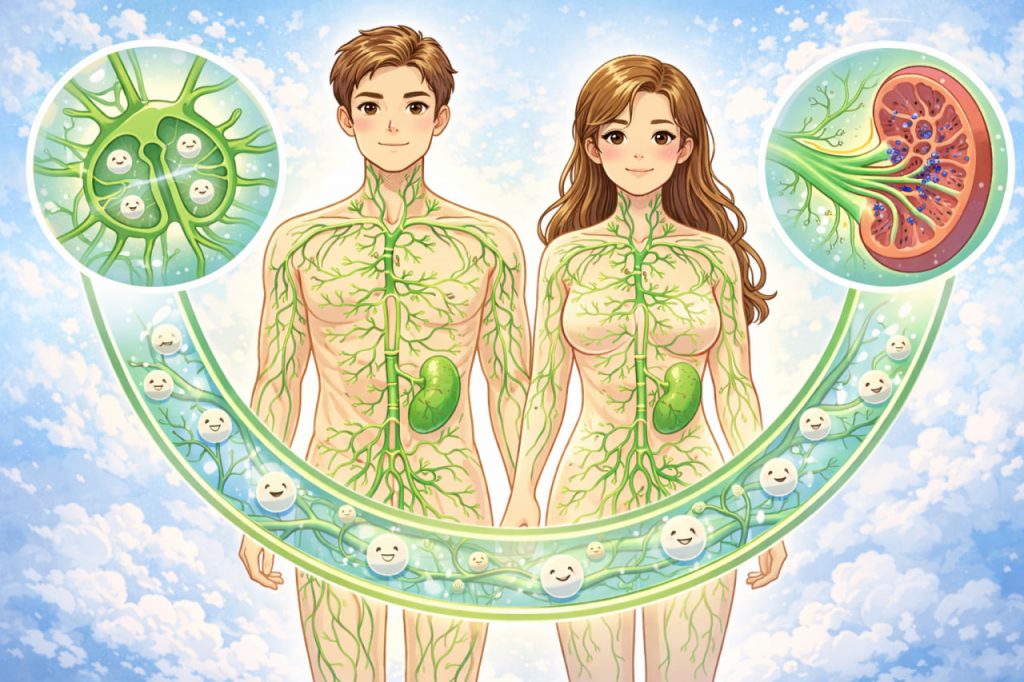
Lymph is one of the most important yet least understood components of the human body. While blood is widely discussed, lymph quietly performs essential tasks that support immunity, fluid balance,…
Gambling rarely destroys a person overnight. Much more often, it erodes life slowly—through habits that feel harmless at first and become devastating over time. Behind the bright lights of casinos…
The question of how much food to eat at one time is just as important as what we eat. Overeating often leads to heaviness, fatigue, and digestive discomfort, while eating…
Sugar cravings are not just a matter of weak willpower—they are the result of biology, habits, emotions, and modern food environments. Sweet foods activate the brain’s reward system, creating quick…
Mold is a common but often underestimated problem that can affect homes, food, and human health. It appears quietly, spreads quickly, and is frequently noticed only when damage has already…
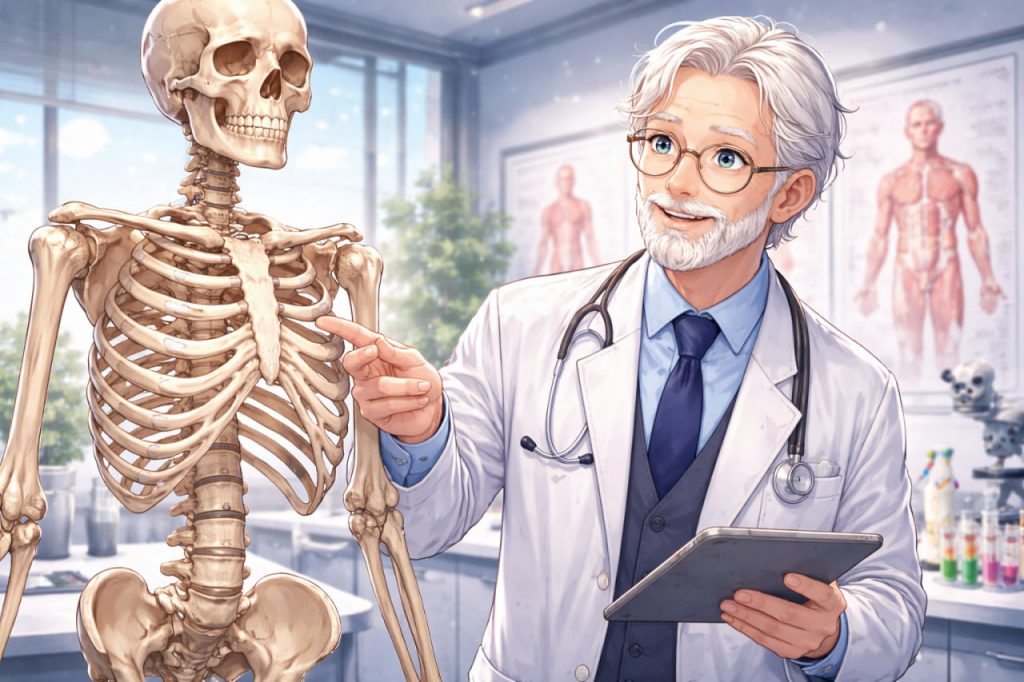
The human skeleton is the internal structure that supports the body, protects vital organs, and enables movement. Far from being a static frame, the skeleton is a living system that…
Busy schedules in the office or during studies often lead to skipped meals or impulsive snacking. In these moments, the choice of snacks plays a crucial role in maintaining energy,…
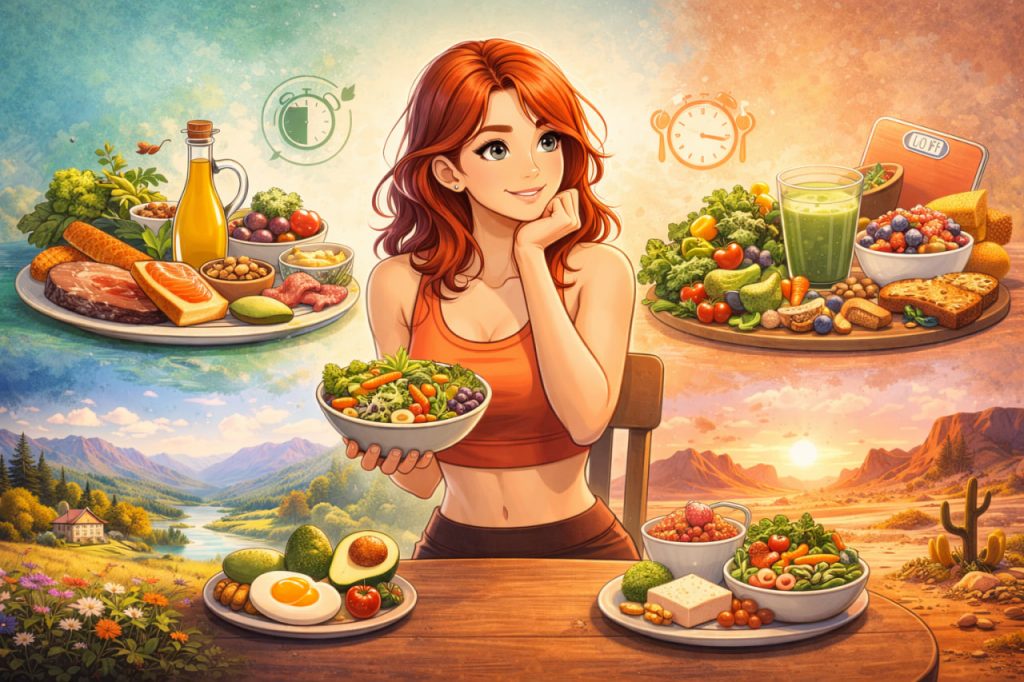
Diet trends regularly gain popularity, promising better health, weight control, and increased energy. While each diet claims unique benefits, most are built on specific nutritional philosophies that affect the body…
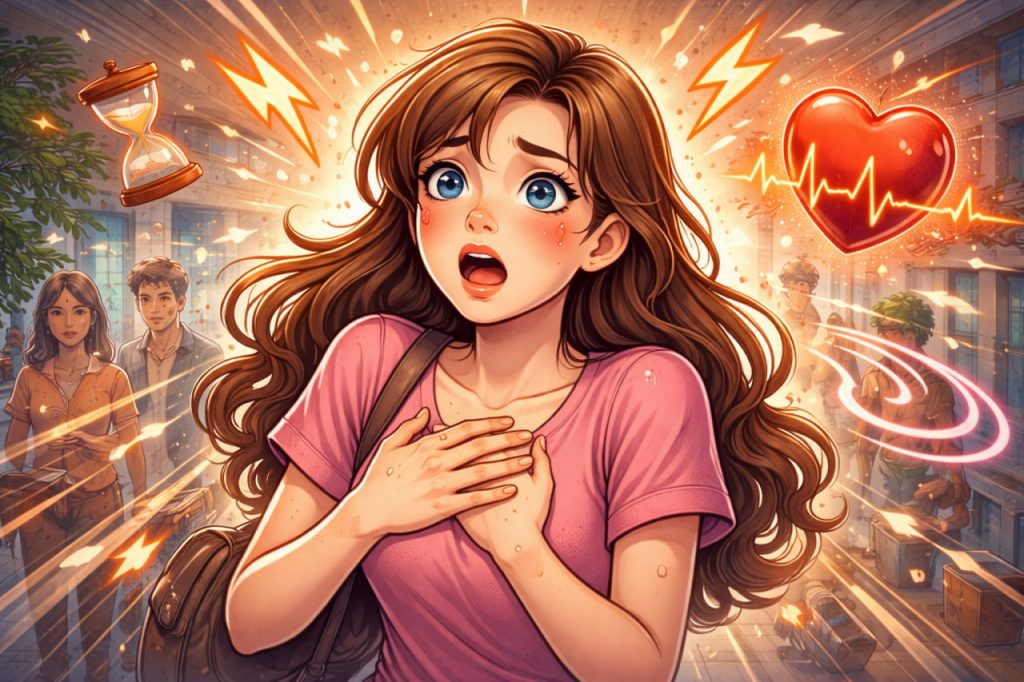
Panic is an intense psychological and physiological reaction to perceived danger, even when no immediate threat is present. Unlike ordinary anxiety, panic emerges suddenly and can feel uncontrollable. A person…
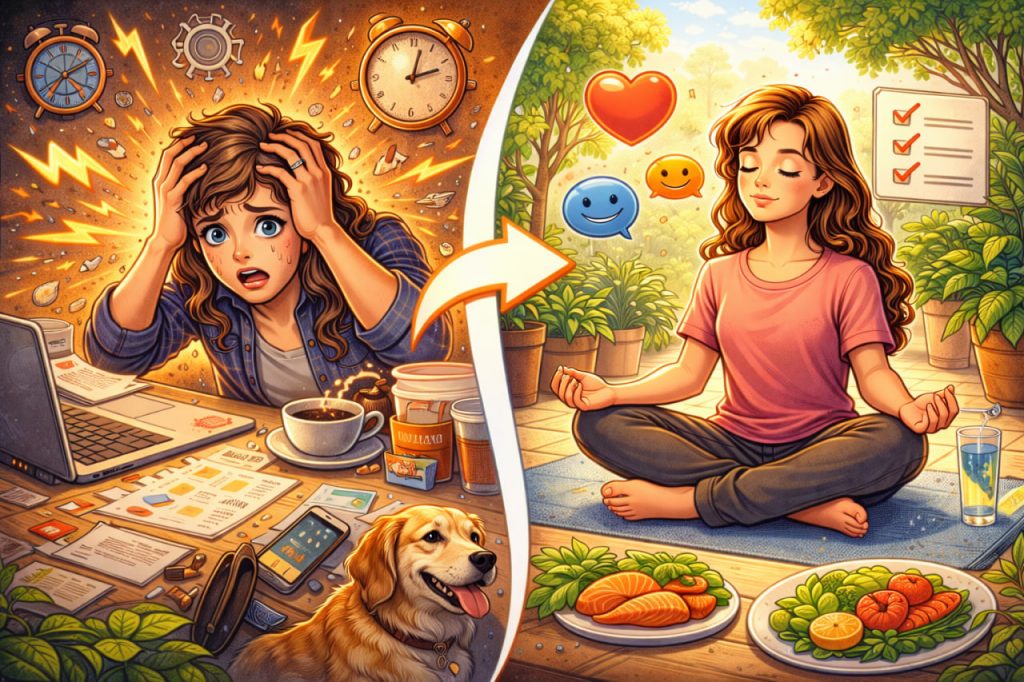
Stress is a natural physiological and psychological response to challenges, uncertainty, or perceived threats. It is not inherently negative; in fact, stress evolved to help humans survive by mobilizing energy…