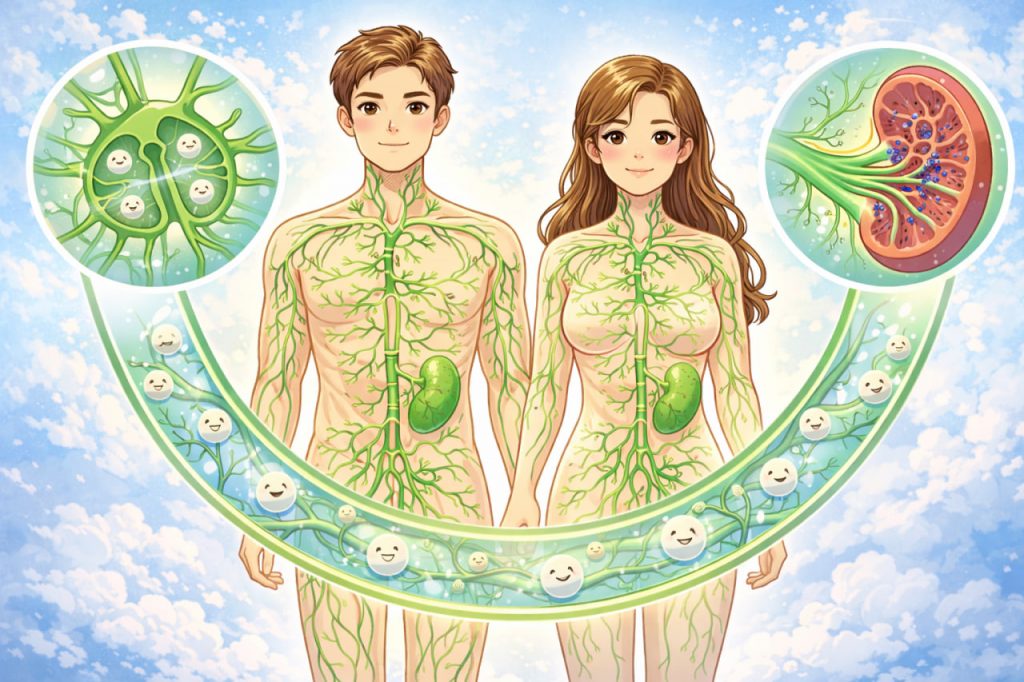
Lymph is one of the most important yet least understood components of the human body. While blood is widely discussed, lymph quietly performs essential tasks that support immunity, fluid balance, and internal cleansing. It circulates through a separate network of vessels and nodes, working alongside the bloodstream but serving different purposes. Without the lymphatic system, the body would struggle to defend itself, remove waste, and maintain stable internal conditions. Understanding what lymph is and why it matters reveals how deeply interconnected the body’s systems truly are.
What Lymph Actually Is
Lymph is a clear, colorless fluid that forms from excess fluid leaking out of blood vessels into surrounding tissues. Instead of returning directly to the bloodstream, this fluid enters lymphatic vessels and becomes lymph. It contains water, proteins, fats, metabolic waste, and immune cells, particularly lymphocytes. Unlike blood, lymph does not circulate with the help of a pump like the heart. Its movement depends on muscle contractions, breathing, and vessel valves.
The Lymphatic System: A Parallel Network
The lymphatic system is a vast network of vessels, nodes, and organs that runs parallel to the circulatory system. Lymphatic vessels collect lymph from tissues and transport it toward lymph nodes. These nodes act as biological filters, trapping pathogens, damaged cells, and foreign particles. After filtration, lymph is returned to the bloodstream. This system ensures that fluids remain balanced and that harmful substances do not accumulate in tissues.
Lymph and the Immune System
One of the most critical roles of lymph is its involvement in immune defense. Lymph nodes contain immune cells that recognize and respond to viruses, bacteria, and other threats. When the body detects infection, lymph nodes may swell as immune activity increases. According to immunologist Dr. Anthony Fauci:
“The lymphatic system is central to immune surveillance,
allowing the body to detect and respond to threats efficiently.”
Without proper lymph function, immune responses would be slower and less effective.
Transport of Fats and Nutrients
Lymph also plays a key role in digestion, particularly in the absorption of fats. Specialized lymphatic vessels in the intestines collect fats and fat-soluble vitamins after meals. These nutrients are then transported into the bloodstream via the lymphatic system. This process allows the body to efficiently process dietary fats, which cannot enter blood vessels directly in their original form.
Fluid Balance and Waste Removal
Every day, blood vessels leak fluid into surrounding tissues. If this fluid were not collected, tissues would swell excessively. Lymphatic vessels return this excess fluid to circulation, preventing edema and maintaining pressure balance. Lymph also carries cellular waste, proteins, and debris away from tissues, supporting internal cleanliness and metabolic stability.
“Lymphatic flow is essential for maintaining tissue health
and preventing chronic inflammation,”
notes vascular physiologist Dr. Stanley Rockson.
Why Lymph Needs Movement
Unlike blood, lymph does not move on its own. Physical movement, muscle contractions, posture changes, and breathing all help push lymph through its vessels. Sedentary lifestyles can slow lymph flow, contributing to fluid retention and discomfort. Regular movement supports efficient lymph circulation and overall well-being.
What Happens When the Lymphatic System Is Disrupted
When lymph flow is impaired, fluid can accumulate in tissues, leading to swelling and increased infection risk. Conditions affecting the lymphatic system can compromise immunity and tissue health. Even temporary disruptions, such as prolonged inactivity, can affect lymph movement. Supporting lymph function is therefore essential for long-term health.
Why Lymph Is Often Overlooked
Lymph works quietly and invisibly, without a pulse or dramatic signals. Its importance is often noticed only when problems arise. However, its continuous background activity is vital for daily survival. Recognizing the role of lymph helps build a more complete understanding of how the body maintains balance and protection.
Interesting Facts
- The human body contains more lymph than blood by volume.
- Lymph nodes can increase in size during immune responses.
- Lymphatic vessels transport fats absorbed from food.
- Lymph movement depends on physical activity, not the heart.
- The lymphatic system plays a key role in inflammation control.
Glossary
- Lymph — a clear fluid that supports immunity and fluid balance.
- Lymphatic System — a network of vessels and nodes that transport lymph.
- Lymph Nodes — small structures that filter lymph and activate immune cells.
- Edema — swelling caused by excess fluid in tissues.
- Lymphocytes — immune cells found in lymph.