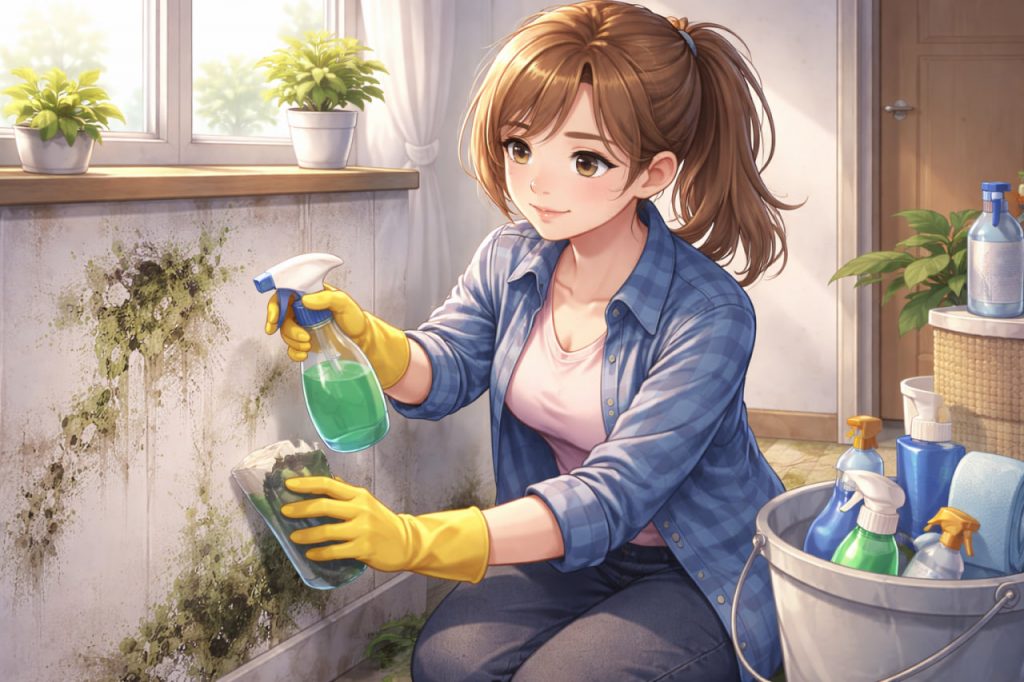
Mold is a common but often underestimated problem that can affect homes, food, and human health. It appears quietly, spreads quickly, and is frequently noticed only when damage has already begun. Mold is not just a cosmetic issue—it is a living organism that interacts with its environment and can cause structural, hygienic, and health-related problems. Understanding what mold is, why it appears, and how to respond correctly is essential for maintaining a safe and healthy living space. Proper action depends on awareness, not panic.
What Mold Actually Is
Mold is a type of microscopic fungus that reproduces through tiny spores floating in the air. These spores are present almost everywhere and become active when they land on a suitable surface with enough moisture. Mold feeds on organic materials such as wood, paper, fabric, and even dust. Once conditions are favorable, it begins to grow and spread, forming visible patches that may appear black, green, white, or gray. Mold is a natural part of ecosystems, but indoors it becomes a problem due to limited ventilation and trapped moisture.
Why Mold Appears Indoors
The main cause of indoor mold is excess moisture. This can come from leaks, condensation, poor ventilation, high humidity, or flooding. Bathrooms, kitchens, basements, and poorly insulated walls are especially vulnerable. Mold does not require standing water—persistent dampness is enough. Warm temperatures and lack of airflow accelerate its growth. Importantly, mold often grows behind walls, under flooring, or inside furniture, making it difficult to detect early.
Health Risks Associated With Mold
Mold can negatively affect health, especially with long-term exposure. Common symptoms include respiratory irritation, coughing, headaches, fatigue, and allergic reactions. People with asthma, weakened immune systems, or allergies are particularly sensitive. Some molds produce mycotoxins, which can worsen symptoms and cause chronic discomfort. According to environmental health specialist Dr. Laura Benson:
“Mold exposure is rarely dramatic,
but its long-term effects can significantly reduce quality of life.”
Addressing mold promptly helps reduce these risks.
What To Do If Mold Appears
If mold is discovered, the first step is to eliminate the moisture source. Cleaning mold without fixing humidity or leaks will only provide temporary relief. Small areas of surface mold can often be cleaned using appropriate household solutions and protective equipment. However, large infestations, recurring mold, or mold inside walls usually require professional assessment. Safety is important—disturbing mold can release spores into the air.
What Not To Do
One common mistake is painting over mold. This hides the problem visually but does not stop growth. Another mistake is ignoring mold because it seems minor. Mold spreads silently and can quickly worsen. Mixing cleaning chemicals without knowledge can also be dangerous. Effective action requires correct identification, controlled cleaning, and prevention.
Preventing Mold in the Future
Prevention focuses on humidity control and ventilation. Keeping indoor humidity below recommended levels, using exhaust fans, and ensuring proper airflow reduces mold risk. Fixing leaks quickly and drying wet areas thoroughly is critical. Regular inspections of vulnerable areas help detect early signs before mold becomes widespread.
When Professional Help Is Necessary
Professional intervention is recommended when mold covers large areas, returns repeatedly, or is linked to health symptoms. Specialists can identify mold types, locate hidden growth, and safely remove contaminated materials. This approach ensures that the problem is resolved at its source rather than repeatedly treated on the surface.
Interesting Facts
- Mold spores are present in indoor and outdoor air at all times.
- Mold can begin growing within 24–48 hours of moisture exposure.
- Some mold is invisible until colonies become established.
- Painting over mold does not stop its growth.
- Controlling humidity is the most effective prevention method.
Glossary
- Mold — a type of fungus that grows in moist environments.
- Spores — microscopic particles used by mold to reproduce.
- Mycotoxins — toxic substances produced by some molds.
- Humidity — the amount of moisture in the air.
- Ventilation — airflow that removes moisture and stale air.