Eggs have long been considered one of the most affordable and nutritious foods available. Among the many ways to prepare them, fried eggs remain one of the simplest and most…
Cranberries are small, bright red berries that grow in cool climates and are widely known for their distinct tart flavor and nutritional value. Native to North America, cranberries have been…
Tomatoes are among the most widely cultivated and consumed foods in the world. Although they are commonly treated as vegetables in cooking, tomatoes are botanically classified as fruits, specifically berries.…
Spring is a time when nature awakens after the long winter months, bringing with it a variety of fresh, nutrient-rich foods. Seasonal produce that appears in early spring often contains…
Vitamins are essential organic compounds that the human body requires in small amounts to function properly. Unlike carbohydrates, fats, or proteins, vitamins do not provide energy directly, but they play…
Stress is a natural biological response designed to help the body react to challenges or danger. In short-term situations, it can enhance alertness, sharpen focus, and increase physical readiness. However,…
February is often associated with cold weather, shorter days, and reduced access to fresh local produce in many regions. However, late winter still offers a variety of nutrient-dense foods that…
“Korean carrots” is a widely loved spicy salad made from julienned carrots, garlic, vinegar, oil, and aromatic spices. Despite its name, the dish did not originate in Korea but was…
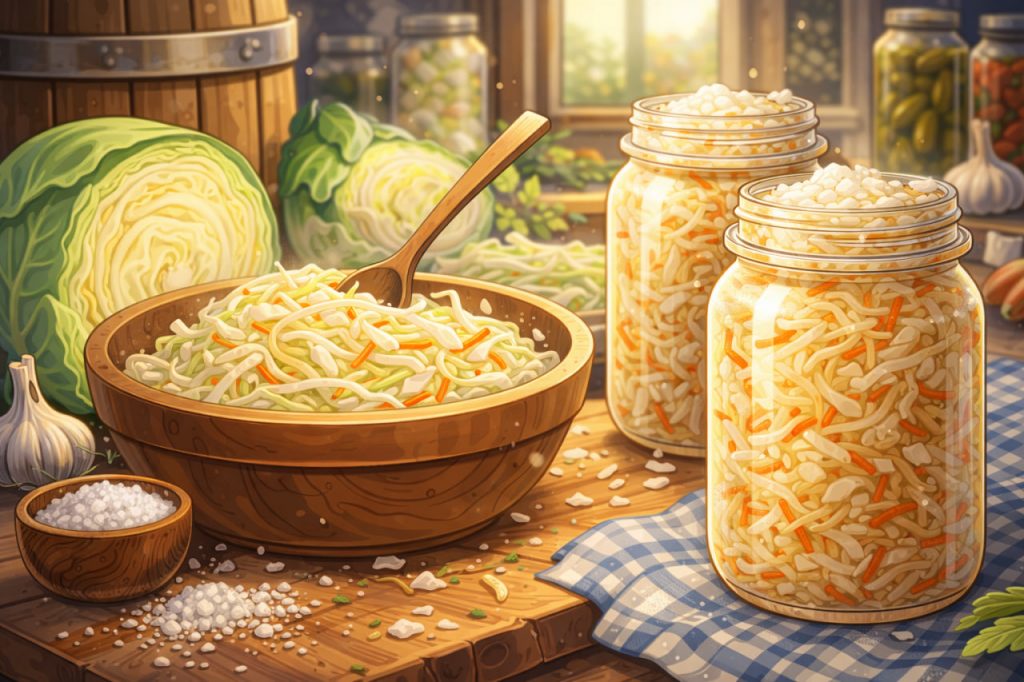
Sauerkraut is a fermented cabbage dish that has been part of culinary traditions for centuries across Europe and beyond. Made through natural lactic acid fermentation, it transforms simple cabbage into…
Dairy products are foods made from milk, most commonly obtained from cows, but also from goats, sheep, and other mammals. They are a major part of diets around the world…