Sauerkraut is a fermented cabbage dish that has been part of culinary traditions for centuries across Europe and beyond. Made through natural lactic acid fermentation, it transforms simple cabbage into a tangy, probiotic-rich food with extended shelf life. Historically, sauerkraut played an important role in winter nutrition, providing preserved vegetables when fresh produce was scarce. Today, it is valued not only for its distinctive flavor but also for its potential digestive benefits. As interest in fermented foods grows, sauerkraut has regained attention as a functional and culturally significant product. Understanding how it is made and consumed highlights both its nutritional value and practical considerations.
How Sauerkraut Is Made
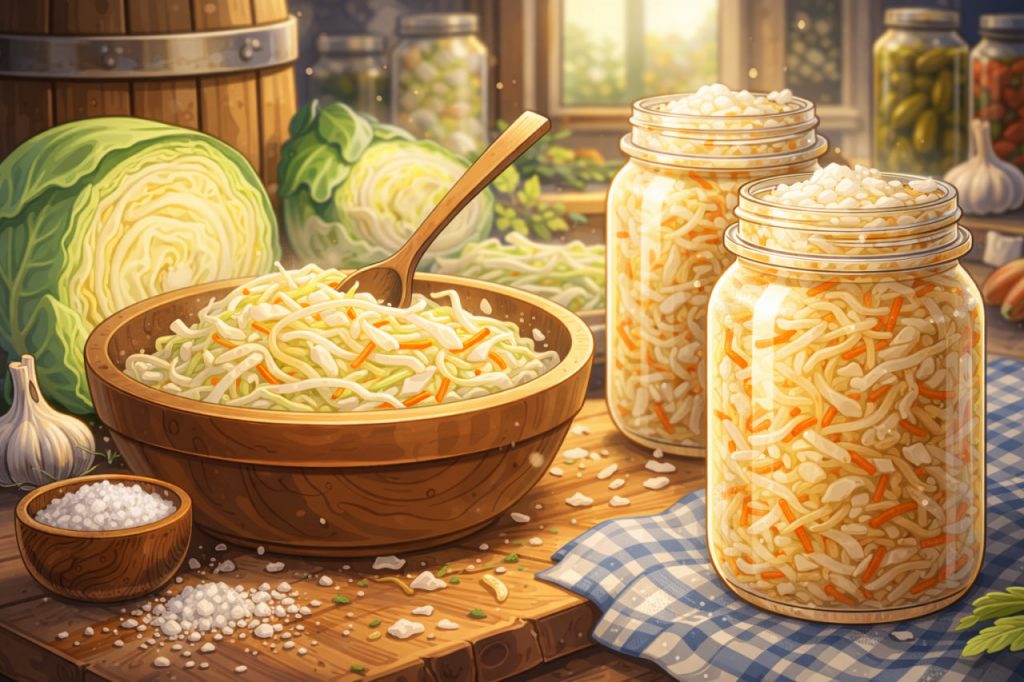
Sauerkraut is produced by finely shredding cabbage and mixing it with salt. The salt draws out moisture, creating an environment where naturally occurring lactic acid bacteria begin fermenting the sugars in the cabbage. Over several days or weeks, the fermentation process produces lactic acid, which preserves the cabbage and gives it a sour taste. Food microbiologist Dr. Anna Keller explains:
“Fermentation is a natural preservation method.
Beneficial bacteria convert sugars into acids, protecting the food from spoilage.”
The result is a stable product that can last for months when properly stored.
Nutritional Benefits
Sauerkraut is rich in vitamin C, fiber, and probiotics. The fermentation process increases the availability of certain nutrients and supports gut microbiota balance. Probiotics contribute to digestive health and may support immune function. However, commercially processed sauerkraut that is pasteurized may lose some live bacterial cultures. Choosing minimally processed versions helps preserve probiotic benefits.
Storage and Food Safety
Proper preparation and storage are essential for safety. Fermentation must occur in clean conditions to prevent contamination. Once ready, sauerkraut should be stored in airtight containers and kept refrigerated after opening. Excessive salt levels can increase sodium intake, so moderation is advisable. When prepared correctly, sauerkraut is considered safe and stable due to its acidic environment.
Cultural and Culinary Role
Sauerkraut has deep roots in Central and Eastern European cuisine. It is often served as a side dish, added to soups, or paired with meats. Beyond tradition, it has become popular in modern health-focused diets. Its simple ingredients and natural preservation method align with sustainable food practices. Fermented vegetables are now widely recognized as part of balanced nutrition.
Modern Popularity
Interest in fermented foods has grown due to research on gut health. Sauerkraut is frequently included in wellness-oriented diets and plant-based meals. Small-scale producers and home fermenters have contributed to its renewed popularity. While not a universal solution for health, it remains a nutritious and culturally significant food.
Interesting Facts
- Sauerkraut fermentation relies on naturally occurring bacteria.
- It was historically used to prevent vitamin C deficiency.
- Proper fermentation creates an acidic environment that prevents spoilage.
- Homemade sauerkraut requires only cabbage and salt.
- Pasteurization reduces probiotic content.
Glossary
- Fermentation — natural process where microorganisms convert sugars into acids.
- Lactic Acid Bacteria — beneficial bacteria responsible for fermentation.
- Probiotics — live microorganisms that support gut health.
- Acidic Environment — low pH condition that inhibits harmful bacteria.
- Pasteurization — heat treatment that reduces microorganisms.