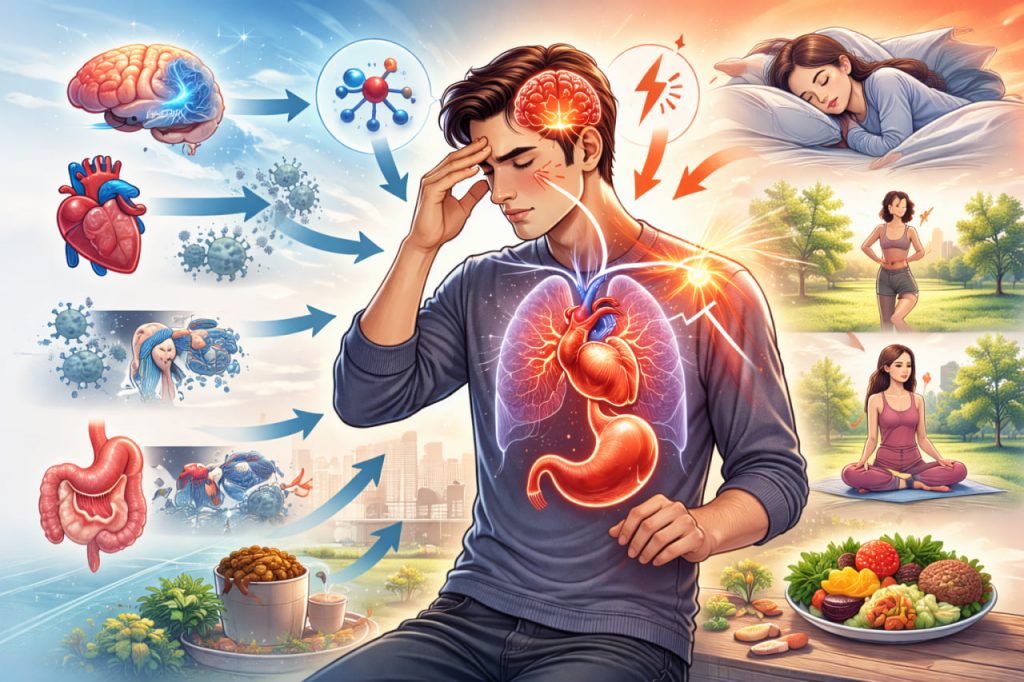
Stress is a natural biological response designed to help the body react to challenges or danger. In short-term situations, it can enhance alertness, sharpen focus, and increase physical readiness. However, when stress becomes chronic, its effects extend beyond temporary discomfort and begin to influence multiple bodily systems. The stress response activates hormones such as adrenaline and cortisol, preparing the body for action. While this mechanism is essential for survival, prolonged activation disrupts balance and recovery processes. Understanding how stress affects the body helps explain why long-term tension can contribute to both physical and mental health concerns.
The Nervous System and Hormonal Response
When the brain perceives a threat, it activates the sympathetic nervous system, triggering the “fight-or-flight” response. Heart rate increases, breathing becomes faster, and blood pressure rises. Cortisol levels elevate to mobilize energy reserves. According to neuroendocrinologist Dr. Laura Mendes:
“Stress is not only psychological.
It is a full-body chemical reaction designed for short bursts of survival.”
If the stress signal persists, the body remains in a heightened state of alert, limiting opportunities for recovery.
Impact on the Cardiovascular System
Chronic stress places strain on the heart and blood vessels. Persistent elevation of heart rate and blood pressure increases workload on the cardiovascular system. Over time, this may contribute to vascular tension and inflammatory responses. Stress-related behaviors, such as poor sleep or irregular eating patterns, can further affect heart health. While occasional stress is manageable, ongoing physiological activation can gradually impact long-term resilience.
Effects on the Immune System
Cortisol plays a complex role in immune regulation. In the short term, it helps manage inflammation. However, prolonged cortisol exposure may suppress immune efficiency, making the body more vulnerable to infections. Individuals experiencing sustained stress often report slower recovery from illness. According to health systems researcher Dr. Martin Alvarez:
“Chronic stress shifts the immune system from adaptive response
toward long-term imbalance.”
Balanced recovery periods are essential to maintain immune stability.
Digestive and Metabolic Changes
Stress also affects digestion and metabolism. The body redirects energy toward immediate survival needs, slowing digestive processes. This can lead to stomach discomfort, appetite changes, or fluctuations in blood sugar regulation. Over time, disrupted eating patterns may affect metabolic health. The gut and brain are closely connected through neural pathways, meaning emotional tension often manifests physically in the digestive system.
Muscle Tension and Physical Discomfort
Muscle tightening is one of the earliest physical responses to stress. The shoulders, neck, and jaw are particularly prone to tension. Persistent muscle contraction may contribute to headaches and fatigue. Without conscious relaxation, this tension can accumulate throughout the day. Physical awareness and recovery practices help interrupt this cycle.
Long-Term Consequences and Recovery
While stress cannot be eliminated entirely, recovery periods are crucial. The parasympathetic nervous system helps restore balance by slowing heart rate and reducing hormone levels. Regular sleep, physical activity, and structured relaxation techniques support this reset process. Stress becomes harmful primarily when recovery is insufficient. By recognizing early signals, individuals can take steps to protect overall health and maintain physiological equilibrium.
Interesting Facts
- The stress response evolved to help humans survive immediate threats.
- Cortisol follows a daily rhythm and is naturally higher in the morning.
- Chronic stress can affect sleep quality and concentration.
- Muscle tension is often one of the first physical signs of stress.
- Recovery time is as important as stress exposure itself.
Glossary
- Adrenaline — a hormone that increases heart rate and prepares the body for action.
- Cortisol — a stress hormone involved in energy regulation and immune response.
- Sympathetic Nervous System — the system responsible for the fight-or-flight response.
- Parasympathetic Nervous System — the system that promotes relaxation and recovery.
- Fight-or-Flight Response — the body’s immediate reaction to perceived danger.