“Korean carrots” is a widely loved spicy salad made from julienned carrots, garlic, vinegar, oil, and aromatic spices. Despite its name, the dish did not originate in Korea but was created by Korean diaspora communities in the former Soviet Union. Over time, it became a staple of street markets and home kitchens across Eastern Europe and Central Asia. Its bold flavor, bright color, and affordable ingredients made it especially popular as a quick snack or side dish. However, behind its appetizing appearance lie considerations related to hygiene, nutrition balance, and food safety. Understanding both the appeal and the potential risks of this dish helps consumers make informed choices.
Origins and Popularity
The dish emerged when Korean migrants adapted traditional recipes using locally available ingredients. Without access to certain Korean vegetables, carrots became the base of a spicy marinated salad. Culinary historian Dr. Marina Lee explains:
“Korean carrots represent cultural adaptation.
The recipe evolved from necessity and became a regional classic.”
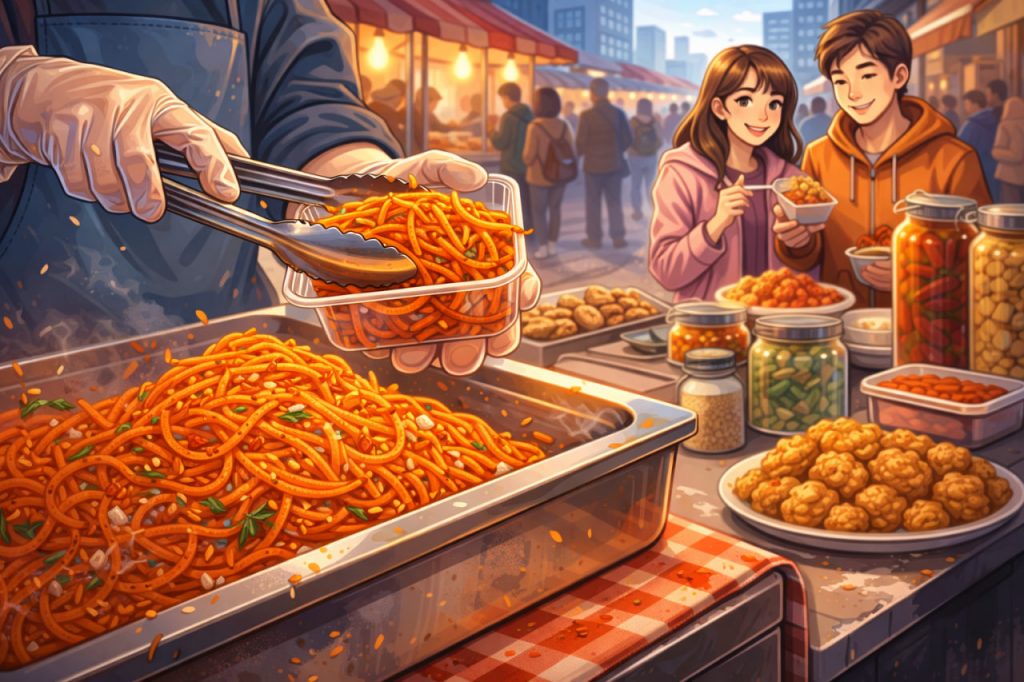
Today, it is commonly sold in open markets, supermarkets, and street stalls, often prepared in large batches.
Nutritional Aspects
Carrots themselves are rich in beta-carotene, fiber, and antioxidants, making them beneficial for health. The addition of garlic and spices can provide antimicrobial properties and enhance flavor without excessive calories. However, the dish often contains substantial amounts of oil and salt, which may increase calorie density. When consumed in moderation, it can be part of a balanced diet, but frequent large portions may contribute to excessive sodium intake.
Food Safety Concerns
One of the main concerns relates to hygiene during preparation and storage. Because the salad is often sold unpackaged or in open containers, it may be exposed to environmental contaminants. Improper refrigeration can allow bacterial growth, especially when oil and moisture are present. Cross-contamination from utensils or surfaces may further increase risk. Consumers should be attentive to freshness, smell, and storage conditions before purchasing.
Street Food Risks
Street food environments vary widely in sanitation standards. Temperature fluctuations, particularly in warmer months, can affect food quality. Large batches prepared in advance may sit for extended periods before sale. While many vendors follow proper hygiene practices, others may lack adequate refrigeration or protective covering. Observing vendor cleanliness and choosing reputable sellers reduces risk.
Balancing Enjoyment and Caution
Korean carrots remain a flavorful and culturally significant dish. Enjoying them safely involves mindful consumption, attention to storage, and awareness of portion sizes. Buying from trusted sources and keeping the salad refrigerated at home can reduce potential issues. Like many popular foods, the key lies in balancing enjoyment with responsible choices.
Interesting Facts
- The dish was created by Korean diaspora communities, not in Korea itself.
- Carrots are rich in beta-carotene, supporting eye health.
- Garlic and spices contribute natural antimicrobial properties.
- Street versions may vary significantly in hygiene standards.
- The salad can be stored refrigerated for several days if handled properly.
Glossary
- Beta-Carotene — an antioxidant found in carrots.
- Julienned — cut into thin matchstick-like strips.
- Cross-Contamination — transfer of bacteria between surfaces or foods.
- Marination — soaking food in seasoned liquid to enhance flavor.
- Food Safety — practices that prevent contamination and illness.