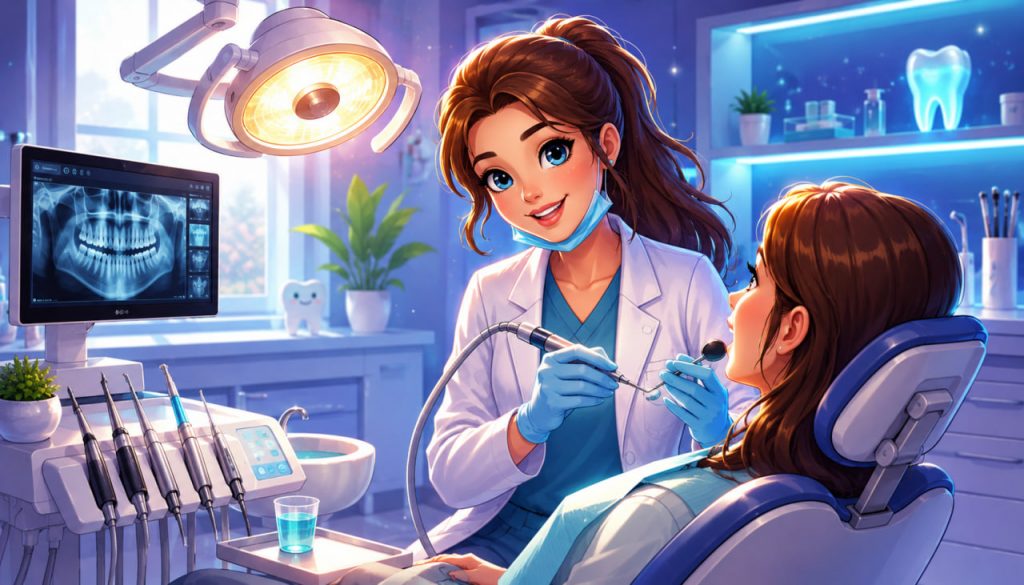
For many people, a visit to the dentist still triggers anxiety. Stories about painful procedures, uncomfortable drills, and unpleasant experiences from decades ago have created a lasting fear of dental treatment. However, modern dentistry has changed dramatically over the last few decades. Today’s dental clinics use advanced technologies, effective anesthesia, and minimally invasive techniques that make most procedures far more comfortable than many people expect.
Understanding how modern dentistry works can help patients overcome unnecessary fears and take better care of their oral health.
Why Are So Many People Afraid of Dentists?
Dental anxiety is surprisingly common. Studies suggest that a significant portion of adults experience some degree of fear before dental appointments.
Several factors contribute to this anxiety:
- Negative childhood experiences
- Fear of pain
- Fear of needles
- Embarrassment about dental problems
- Loss of control during treatment
- Anxiety triggered by sounds and smells associated with dental clinics
In many cases, these fears are based on outdated perceptions rather than current dental practices.
The reality is that modern dentistry is designed to minimize discomfort and maximize patient comfort.
How Modern Dentistry Has Changed
A dental appointment today is very different from one fifty years ago.
Technological advances have transformed nearly every aspect of diagnosis and treatment.
Modern clinics commonly use:
- Digital X-rays
- Intraoral cameras
- Computer-guided implant planning
- Laser dentistry
- Digital impressions
- 3D imaging systems
- CAD/CAM restorations
These technologies improve accuracy while reducing treatment time and patient discomfort.
Digital imaging, for example, allows dentists to detect problems earlier and plan treatments more precisely than ever before.
Is Dental Treatment Still Painful?
One of the biggest myths surrounding dentistry is that treatment is inevitably painful.
Modern anesthesia techniques are highly effective. Local anesthetics can numb treatment areas so thoroughly that many patients feel little more than pressure during procedures.
For patients with severe anxiety, additional options may include:
- Nitrous oxide sedation
- Oral sedation
- Intravenous sedation
- General anesthesia in specific cases
Most routine treatments today are virtually painless when performed with modern equipment and techniques.
Even procedures that once had a reputation for causing discomfort, such as root canal therapy, are often no more uncomfortable than receiving a standard filling.
The Truth About Root Canals
Few dental procedures are as misunderstood as root canal treatment.
Many people associate root canals with severe pain, but this reputation largely stems from experiences before modern anesthetics and treatment methods became available.
A root canal is performed to remove infected tissue inside a tooth and prevent extraction.
Benefits include:
- Eliminating infection
- Relieving pain
- Preserving the natural tooth
- Preventing further complications
In most cases, the infection itself causes far more discomfort than the treatment designed to solve it.
The Rise of Minimally Invasive Dentistry
A major trend in modern dental care is minimally invasive treatment.
Dentists now focus on preserving as much natural tooth structure as possible.
Examples include:
- Early cavity detection
- Air abrasion techniques
- Laser treatments
- Preventive sealants
- Remineralization therapies
Instead of waiting until significant damage occurs, dentists can often address problems at much earlier stages.
Early intervention typically means smaller procedures, lower costs, and less discomfort.
Cosmetic Dentistry and Patient Confidence
Modern dentistry is no longer limited to treating disease.
Cosmetic procedures have become increasingly popular because oral health and appearance often influence self-confidence.
Common cosmetic treatments include:
- Teeth whitening
- Veneers
- Clear aligners
- Dental bonding
- Smile makeovers
These procedures can dramatically improve appearance while often supporting better oral function as well.
The growing popularity of clear aligner systems has made orthodontic treatment more convenient and discreet for adults who previously avoided braces.
Expert Perspective
The importance of preventive dental care has been emphasized by numerous dental health organizations worldwide.
According to the American Dental Association (ADA), regular dental visits and preventive care remain among the most effective ways to maintain oral health and reduce the need for complex treatments later in life.
“Regular dental visits are essential because they help detect oral health problems early, when treatment is likely to be simpler and more affordable.”
This principle highlights a key reality of modern dentistry: prevention is often far easier than treatment.
Patients who attend routine checkups frequently avoid many of the procedures they fear most.
How Dentists Help Reduce Anxiety
Modern dental clinics increasingly recognize the importance of psychological comfort.
Many practices now offer:
- Calming office environments
- Noise-canceling headphones
- Entertainment systems
- Anxiety-sensitive communication
- Sedation options
- Shorter appointment times
Dentists are also trained to explain procedures clearly, helping patients understand exactly what will happen during treatment.
Knowing what to expect often significantly reduces fear.
What Happens If You Avoid the Dentist?
Ironically, avoiding dental visits because of fear often creates the very problems patients hope to avoid.
Untreated dental issues can lead to:
- Severe tooth decay
- Gum disease
- Tooth loss
- Bone deterioration
- Chronic pain
- Expensive restorative treatments
A small cavity that could have been treated with a simple filling may eventually require a crown, root canal, or extraction if left untreated.
Regular preventive care remains the easiest, least painful, and most affordable approach to oral health.
The Future of Dentistry
The next generation of dental care may become even more comfortable.
Researchers are exploring innovations such as:
- Artificial intelligence diagnostics
- Regenerative dental treatments
- Stem-cell-based tooth repair
- Advanced laser systems
- Improved biomaterials
- Robotics-assisted procedures
These developments could further reduce treatment times while improving precision and patient comfort.
The overall direction of dentistry continues to move toward less invasive, more personalized, and more patient-friendly care.
Interesting Facts
- The first known dental fillings date back thousands of years.
- Modern digital X-rays expose patients to significantly less radiation than traditional film X-rays.
- Tooth enamel is the hardest substance in the human body.
- Dental implants have success rates exceeding 90% in many cases.
- Laser dentistry can perform certain procedures with little or no bleeding.
- Some modern dental crowns can be designed and manufactured in a single visit using CAD/CAM technology.
- Fear of dental treatment is known as dentophobia or odontophobia.
Glossary
- Local Anesthetic — A medication used to temporarily numb a specific area of the body during treatment.
- Root Canal Therapy — A procedure that removes infected tissue from inside a tooth to save it from extraction.
- Digital X-Ray — An electronic imaging technique that produces dental images with reduced radiation exposure.
- Dental Implant — A titanium or ceramic structure placed in the jawbone to replace a missing tooth root.
- Minimally Invasive Dentistry — An approach focused on preserving as much healthy tooth structure as possible.
- CAD/CAM Dentistry — Computer-aided design and manufacturing technology used to create dental restorations.
- Sedation Dentistry — The use of medications to help patients relax during dental procedures.
- Enamel — The hard outer protective layer of a tooth.