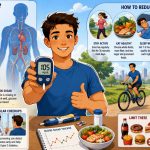
Obesity is one of the most significant public health challenges of the 21st century. According to global health organizations, hundreds of millions of adults worldwide are living with obesity, and the numbers continue to rise. While obesity is often discussed in terms of appearance, its true importance lies in its effects on health, quality of life, and long-term disease risk.
Obesity is not simply a matter of willpower or personal choice. It is a complex medical condition influenced by genetics, environment, lifestyle, psychology, hormones, and metabolism. Understanding why obesity develops and how it can be managed is essential for anyone seeking better health.
The encouraging news is that even modest, sustainable weight loss can produce significant health benefits.
What Is Obesity?
Obesity is a condition characterized by excessive accumulation of body fat that may negatively affect health.
One commonly used measure is the Body Mass Index (BMI).
In adults:
- BMI 18.5–24.9 is generally considered healthy.
- BMI 25–29.9 is considered overweight.
- BMI 30 or above is considered obese.
However, BMI is not perfect because it does not directly measure body fat or account for muscle mass.
Healthcare professionals often consider additional factors such as waist circumference and overall metabolic health.
Why Does Obesity Develop?
Obesity occurs when energy intake consistently exceeds energy expenditure over time.
However, the causes are often far more complex than simply eating too much.
Contributing factors may include:
- High-calorie diets
- Physical inactivity
- Genetics
- Sleep deprivation
- Chronic stress
- Certain medications
- Hormonal disorders
- Environmental influences
Modern lifestyles frequently encourage weight gain through easy access to calorie-dense foods and reduced physical activity.
Why Excess Body Fat Can Be Harmful
Body fat is not merely stored energy.
Fat tissue actively produces hormones and signaling molecules that influence many biological processes.
Excess fat can contribute to:
- Chronic inflammation
- Hormonal imbalances
- Insulin resistance
- Cardiovascular strain
Over time, these changes may increase disease risk.
Obesity and Heart Disease
One of the most serious consequences of obesity is increased cardiovascular risk.
Obesity is associated with:
- High blood pressure
- Elevated cholesterol
- Coronary artery disease
- Heart failure
The heart must work harder to supply blood throughout the body, increasing long-term stress on the cardiovascular system.
The Connection to Type 2 Diabetes
Obesity is a major risk factor for Type 2 Diabetes.
Excess body fat can contribute to insulin resistance, a condition in which cells become less responsive to insulin.
As a result:
- Blood sugar rises
- The pancreas works harder
- Diabetes risk increases
Weight reduction often improves blood sugar control significantly.
Joint Problems and Reduced Mobility
Carrying extra weight places additional stress on the body.
Affected areas often include:
- Knees
- Hips
- Ankles
- Lower back
This may increase the risk of osteoarthritis and chronic pain.
Reduced mobility can then make physical activity more difficult, creating a challenging cycle.
Sleep and Obesity
Obesity is closely associated with obstructive sleep apnea, a condition in which breathing repeatedly stops during sleep.
Symptoms may include:
- Loud snoring
- Daytime fatigue
- Poor concentration
- Morning headaches
Sleep apnea can affect cardiovascular health and quality of life.
Mental and Emotional Effects
Obesity can affect psychological well-being as well as physical health.
Some individuals experience:
- Reduced self-confidence
- Anxiety
- Depression
- Social stigma
Addressing mental health is often an important component of successful weight management.
Why Quick Fixes Usually Fail
The weight-loss industry often promotes:
- Crash diets
- Extreme restrictions
- “Miracle” supplements
Most of these approaches fail to provide lasting results.
Rapid weight loss may lead to:
- Muscle loss
- Nutritional deficiencies
- Weight regain
Sustainable habits generally produce better long-term outcomes.
Start with Small Changes
One of the most effective strategies is gradual improvement.
Examples include:
- Drinking more water
- Eating more vegetables
- Reducing sugary beverages
- Taking daily walks
- Improving sleep habits
Small changes may seem insignificant at first, but they can accumulate into major results over time.
Nutrition Matters More Than Perfection
Healthy eating does not require eliminating all favorite foods.
A balanced approach often includes:
- Fruits
- Vegetables
- Whole grains
- Lean proteins
- Healthy fats
The goal is consistency rather than perfection.
Many experts recommend focusing on long-term eating patterns instead of temporary diets.
Physical Activity Is Essential
Exercise supports weight management and overall health.
Benefits include:
- Increased calorie expenditure
- Improved cardiovascular fitness
- Better mood
- Enhanced insulin sensitivity
Good beginner activities include:
- Walking
- Swimming
- Cycling
- Strength training
The best exercise is often the one a person can maintain consistently.
Sleep and Stress Management
Sleep and stress strongly influence body weight.
Insufficient sleep may affect hormones that regulate:
- Hunger
- Fullness
- Energy balance
Chronic stress can also encourage overeating and unhealthy habits.
Improving sleep quality and stress management may support weight-loss efforts.
Medical Treatments and Professional Support
Some individuals may benefit from professional assistance.
Options may include:
- Nutritional counseling
- Structured weight-management programs
- Prescription medications
- Bariatric surgery for selected patients
Medical treatment decisions should always be made with qualified healthcare professionals.
Expert Perspective
Obesity researcher George A. Bray has spent decades studying the biological mechanisms of obesity. His work emphasizes that obesity is a complex medical condition involving genetics, metabolism, environment, and behavior. This perspective helps explain why successful weight management often requires comprehensive lifestyle changes rather than relying solely on willpower.
The Importance of Sustainable Progress
Many people become discouraged when weight loss occurs slowly.
However, research consistently shows that gradual, sustainable progress is often more successful than rapid weight loss.
Even a modest reduction in body weight may improve:
- Blood pressure
- Blood sugar levels
- Cholesterol
- Mobility
Every positive step matters.
Conclusion
Obesity is a complex medical condition that can increase the risk of heart disease, Type 2 diabetes, sleep disorders, joint problems, and other health complications. While modern environments often make weight gain easier, effective strategies exist for reducing risk and improving health.
Sustainable weight management is built on balanced nutrition, regular physical activity, adequate sleep, stress management, and realistic goals. Rather than seeking quick fixes, individuals often achieve the best results through gradual lifestyle improvements that can be maintained over the long term.
The journey may take time, but even small changes can lead to meaningful health benefits and a better quality of life.
Interesting Facts
- Body fat functions as an active endocrine organ that produces hormones.
- Even modest weight loss can improve cardiovascular and metabolic health.
- Walking is one of the most effective and accessible forms of physical activity.
- Sleep deprivation may influence hormones related to appetite regulation.
- Obesity affects multiple body systems, not just body weight.
- Long-term lifestyle changes generally outperform short-term crash diets.
Glossary
- Obesity — Excessive accumulation of body fat that may affect health.
- BMI (Body Mass Index) — A measurement based on height and weight.
- Insulin Resistance — Reduced responsiveness of cells to insulin.
- Type 2 Diabetes — A metabolic disorder involving elevated blood sugar levels.
- Metabolism — The body’s processes for converting food into energy.
- Sleep Apnea — A condition involving repeated interruptions in breathing during sleep.
- Bariatric Surgery — Surgical procedures designed to help treat severe obesity.