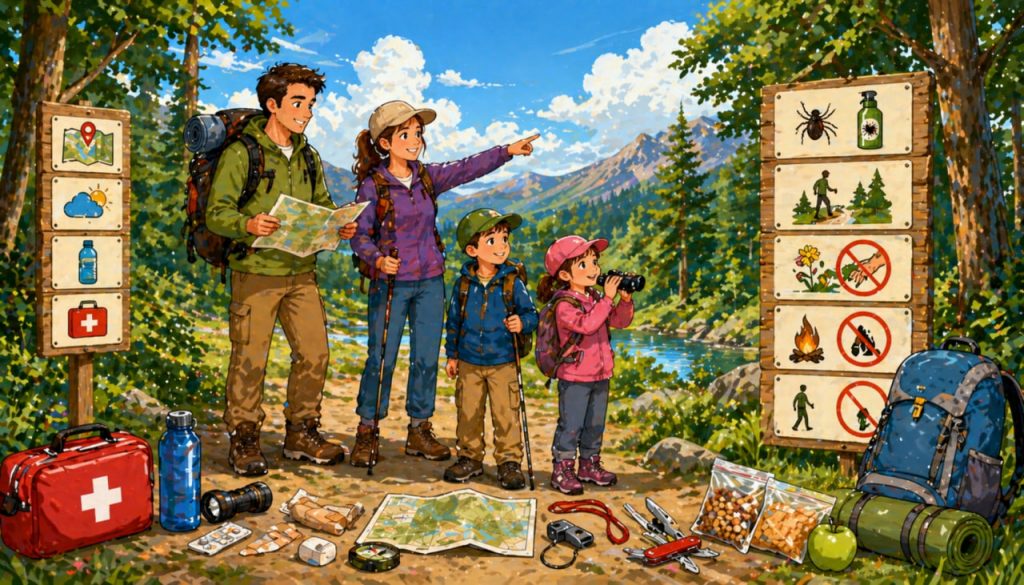
Spending time in nature with your family is one of the most rewarding and healthy activities you can enjoy. Forests, parks, and natural landscapes offer fresh air, physical activity, and opportunities to bond. However, outdoor environments also come with risks that require preparation and awareness. From changing weather to wildlife encounters, understanding safety precautions can make the difference between a memorable adventure and a dangerous situation.
This guide covers essential family hiking safety tips to help you plan a safe, enjoyable trip into nature.
Why Preparation Matters for Family Outdoor Trips
Nature is unpredictable. Conditions can change quickly, especially in forests and remote areas. Families with children must take extra precautions, as kids may not recognize hazards or react quickly in unfamiliar situations.
According to the U.S. National Park Service:
“The most common outdoor emergencies are preventable with proper planning and awareness.”
Preparation ensures that you are ready for unexpected challenges, including injuries, weather changes, or getting lost.
Plan Your Trip in Advance
Before heading out, research your destination carefully. Understanding the terrain, weather, and difficulty level is essential for family safety.
Key planning steps:
- Choose trails suitable for children
- Check weather forecasts
- Inform someone about your route and expected return time
- Download offline maps or bring a physical map
Avoid overly challenging routes when hiking with young children or beginners.
Dress Appropriately for Safety
Clothing plays a crucial role in outdoor protection. The right gear helps prevent injuries, insect bites, and discomfort.
Recommended clothing:
- Long sleeves and long pants to protect from ticks and scratches
- Comfortable, sturdy hiking shoes
- Hats for sun protection
- Layered clothing to adjust to temperature changes
Bright-colored clothing is also useful for visibility, especially in dense forests.
Protect Against Insects and Ticks
Forests and grassy areas are common habitats for ticks and insects. Taking preventive measures reduces the risk of bites and disease.
Safety tips:
- Use insect repellent (DEET or natural alternatives)
- Avoid tall grass and dense vegetation
- Check skin and clothing regularly
- Perform a full body check after returning home
Tick bites are often painless, so regular checks are essential, especially for children.
Bring Essential Safety Gear
Carrying the right equipment can help you handle emergencies effectively.
Must-have items:
- First aid kit
- Water and snacks
- Flashlight or headlamp
- Fully charged phone or GPS device
- Multi-tool or knife
- Emergency blanket
For longer hikes, consider bringing a whistle, portable charger, and extra clothing.
Stay Hydrated and Maintain Energy
Dehydration and fatigue are common issues during outdoor activities, especially for children.
Recommendations:
- Bring more water than you think you need
- Pack nutritious snacks (nuts, fruit, energy bars)
- Take regular breaks
Children may not recognize thirst early, so remind them to drink water frequently.
Teach Children Basic Outdoor Safety
Before your trip, explain simple safety rules to your children. This increases awareness and reduces risky behavior.
Important rules:
- Stay on the trail
- Never wander away from the group
- Avoid touching unknown plants or animals
- Inform an adult immediately if they feel unwell
Teaching children what to do if they get lost is also critical:
- Stay in one place
- Make noise (call out or use a whistle)
Be Aware of Wildlife
Wild animals usually avoid humans, but encounters can happen. Knowing how to respond is essential.
General guidelines:
- Do not feed animals
- Keep a safe distance
- Store food securely
- Stay calm and avoid sudden movements
Different regions may have specific wildlife risks, so research local guidelines before your trip.
Monitor Weather Conditions
Weather can change rapidly in forests and mountainous areas. Sudden rain, wind, or temperature drops can create dangerous conditions.
Safety tips:
- Check forecasts before leaving
- Watch for signs of changing weather
- Turn back if conditions worsen
- Avoid hiking during storms
Always prioritize safety over completing a planned route.
Know What to Do in Case of Emergency
Even with preparation, emergencies can happen. Being ready to respond is critical.
Basic steps:
- Stay calm
- Assess the situation
- Use your first aid kit if needed
- Call emergency services if possible
- Stay in a safe, visible location
Knowing basic first aid can significantly improve outcomes in emergency situations.
Make Safety Part of the Experience
Safety does not have to limit enjoyment—it enhances it. When everyone feels secure, families can fully relax and enjoy nature.
Encourage children to:
- Observe wildlife safely
- Learn about plants and ecosystems
- Participate in navigation and planning
This turns a simple hike into an educational and memorable adventure.
Interesting Facts
- Children are more likely to get lost in forests due to curiosity rather than panic.
- Most hiking accidents occur due to lack of preparation, not extreme conditions.
- Ticks are most active in warm, humid environments.
- Bright clothing can significantly improve visibility in rescue situations.
- Dehydration can begin before you feel thirsty, especially in active children.
Glossary
- Insect Repellent — A substance applied to skin or clothing to prevent insect bites.
- Tick — A small parasitic arachnid that feeds on blood and can transmit diseases.
- First Aid Kit — A collection of supplies used to treat minor injuries.
- Dehydration — A condition caused by lack of sufficient water in the body.
- Trail — A marked path used for hiking or walking in nature.
- Emergency Shelter — Temporary protection used in unexpected outdoor situations.