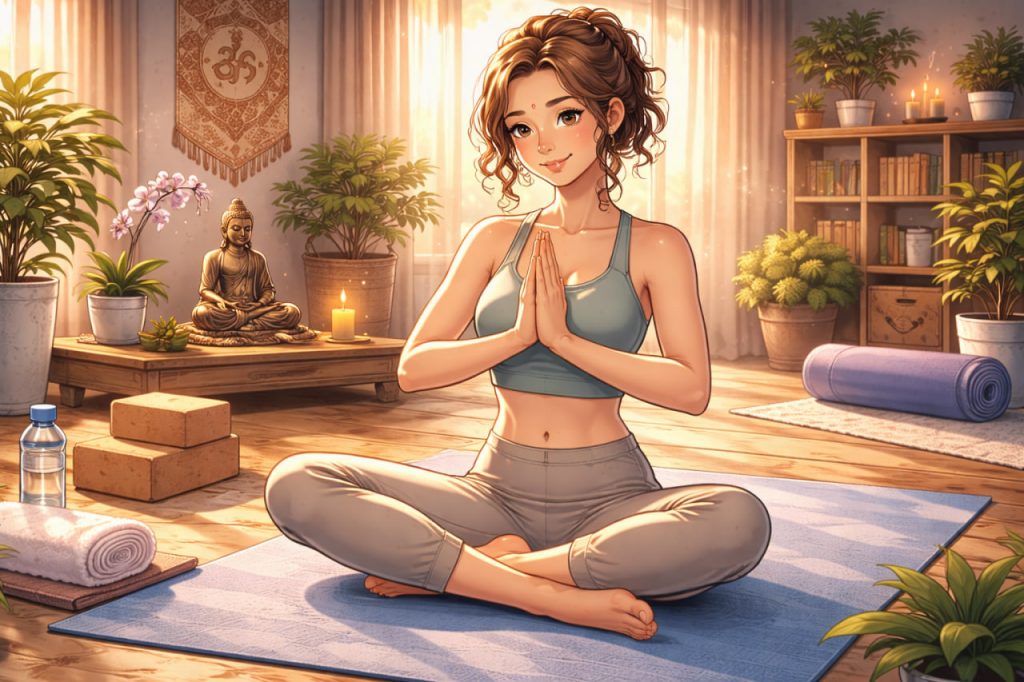
Yoga is often perceived as a modern fitness trend focused on flexibility and stress relief. However, its roots extend thousands of years into ancient Indian philosophical and spiritual traditions. For beginners, understanding yoga’s historical background provides deeper context beyond physical postures. Originally, yoga was a comprehensive system integrating physical discipline, breath control, meditation, and ethical principles. Today, it is practiced worldwide in diverse forms — from traditional schools to contemporary studio classes. Learning where yoga comes from helps beginners approach practice with awareness and respect. Yoga is not merely exercise; it is a structured philosophy of balance between body and mind.
The Historical Origins of Yoga
The word yoga derives from the Sanskrit root “yuj,” meaning “to unite” or “to join.” Historically, yoga aimed to unite body, mind, and consciousness. The earliest references to yoga appear in ancient Indian texts known as the Vedas, dating back more than 3,000 years. Later philosophical elaboration emerged in the Upanishads and the classical text Yoga Sutras of Patanjali, written around the 2nd century BCE.
Scholar of Eastern philosophy Dr. Ananya Sharma explains:
“Classical yoga was a system of mental discipline.
Physical postures were only one part
of a broader philosophical path.”
The Yoga Sutras describe the Eight Limbs of Yoga, including ethical principles, breath control (pranayama), concentration, and meditation. Modern posture-focused yoga evolved much later, particularly during the 19th and 20th centuries.
From Philosophy to Physical Practice
While traditional yoga emphasized meditation and self-discipline, modern Hatha yoga popularized physical postures (asanas) as a central component. In the early 20th century, teachers such as Tirumalai Krishnamacharya helped adapt yoga for broader audiences. Over time, yoga spread globally and diversified into styles such as Vinyasa, Ashtanga, and Iyengar.
Despite stylistic differences, most contemporary forms retain foundational elements:
- Controlled breathing
- Mindful movement
- Focused attention
- Relaxation practices
Understanding this evolution helps beginners recognize that yoga combines physical, mental, and cultural dimensions.
Benefits for Beginners
For newcomers, yoga offers accessible physical and psychological benefits. Slow, controlled movements improve flexibility, balance, and joint mobility. Breathing techniques support nervous system regulation and stress reduction. Exercise physiologist Dr. Laura Bennett notes:
“Yoga encourages neuromuscular coordination
while promoting relaxation
through controlled breathing patterns.”
Beginners often report improved posture and reduced muscle tension within weeks of consistent practice.
How to Start Safely
Starting yoga does not require extreme flexibility or advanced strength. Beginners should focus on foundational poses such as:
- Mountain Pose (Tadasana)
- Child’s Pose (Balasana)
- Cat-Cow (Marjaryasana–Bitilasana)
- Downward-Facing Dog (Adho Mukha Svanasana)
Practicing 2–3 times per week allows gradual adaptation. It is important to move within a comfortable range and avoid forcing positions. Listening to the body prevents strain. Choosing beginner-level classes or guided sessions helps build confidence.
Breathing and Mindfulness
Breathing plays a central role in yoga. Slow, controlled inhalations and exhalations regulate heart rate and improve focus. Even simple breathing exercises can reduce stress. Mindfulness — maintaining awareness during movement — distinguishes yoga from ordinary stretching routines.
Yoga in the Modern World
Today, yoga is practiced in gyms, studios, homes, and rehabilitation centers worldwide. While interpretations vary, the essence remains the cultivation of balance. Whether approached as exercise, meditation, or holistic discipline, yoga adapts to individual needs. Beginners who understand its origins often find deeper engagement with the practice.
P.S. Friends, if you are interested in the practice of meditation, write in the comments. And for everyone and everyone, I recommend autogenic training by Schultz, which can be found even in audio format on YouTube.
Interesting Facts
- The word “yoga” means “union” in Sanskrit.
- The Yoga Sutras of Patanjali outline eight foundational principles.
- Early yoga emphasized meditation more than physical poses.
- Modern posture-based yoga expanded globally in the 20th century.
- Controlled breathing influences the parasympathetic nervous system.
Glossary
- Asana — a physical posture in yoga practice.
- Pranayama — controlled breathing techniques.
- Hatha Yoga — a branch of yoga focusing on physical postures.
- Yoga Sutras — classical text outlining the philosophy of yoga.
- Mindfulness — focused awareness of the present moment.