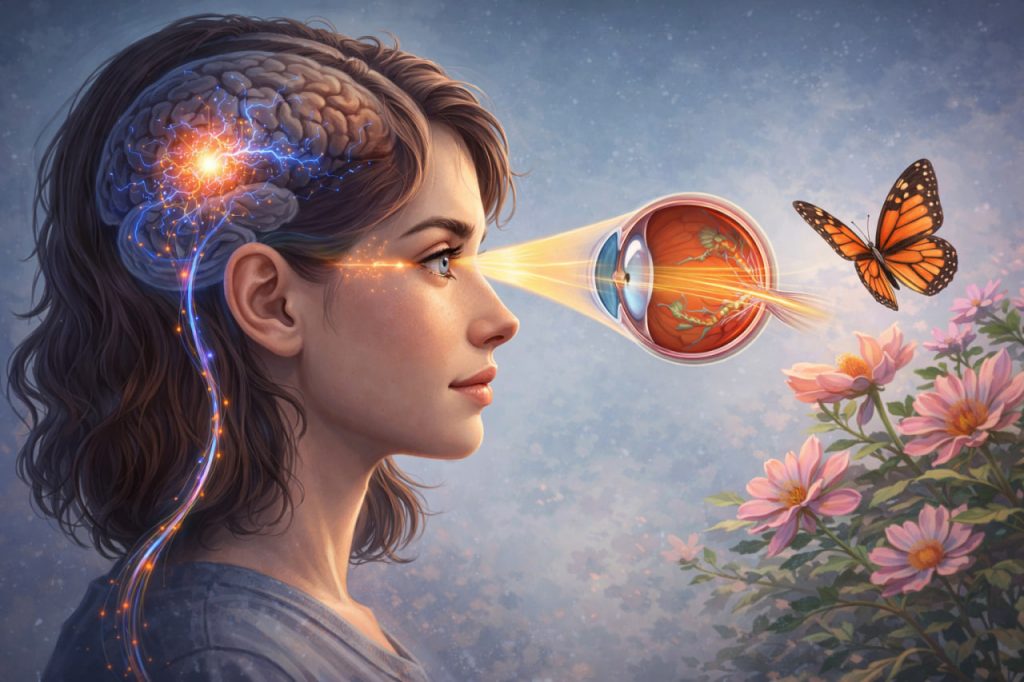
Vision is one of the most complex and fascinating processes in the human body. Every moment, our eyes capture light from the environment and transform it into meaningful images that…
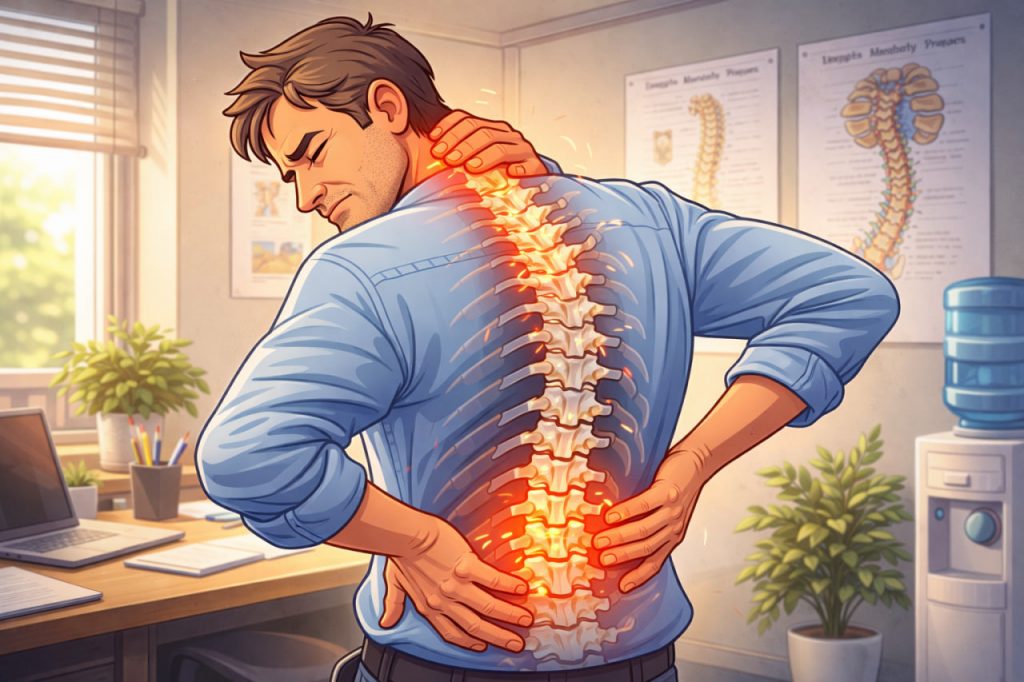
Osteochondrosis is a condition associated with degenerative changes in the spine, particularly affecting the intervertebral discs and surrounding structures. It is commonly linked to aging, but modern lifestyles—especially prolonged sitting…
Vitamins are essential organic compounds that the human body requires in small amounts to function properly. Unlike carbohydrates, fats, or proteins, vitamins do not provide energy directly, but they play…
The term psychosomatics refers to the connection between psychological processes and physical health. It describes how emotions, stress, and mental states can influence bodily functions and sometimes contribute to physical…
Experiencing muscle soreness a day or two after a workout is common, especially after trying new exercises or increasing intensity. This phenomenon is known as Delayed Onset Muscle Soreness (DOMS)…
The pineal gland, also known as the epiphysis, is a small endocrine organ located deep in the center of the brain between the two hemispheres. Despite its tiny size—roughly comparable…
Insomnia affects millions of people worldwide, disrupting concentration, mood, and overall health. Difficulty falling asleep, frequent nighttime awakenings, or waking too early can gradually destabilize daily rhythms. While occasional sleep…
For many years, scientists believed that the brain stopped developing after childhood. Modern neuroscience has shown that this assumption was incorrect. The brain retains the ability to reorganize itself throughout…
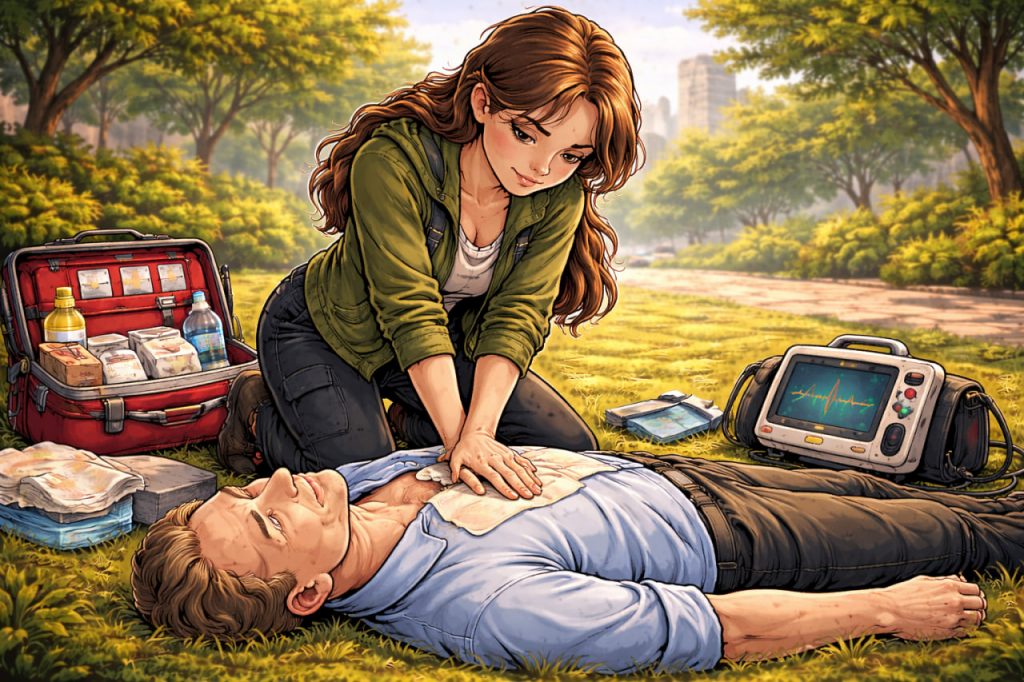
Cardiopulmonary resuscitation (CPR) is a life-saving emergency procedure used when a person’s heart stops beating or they stop breathing. It is designed to maintain blood circulation and oxygen flow to…
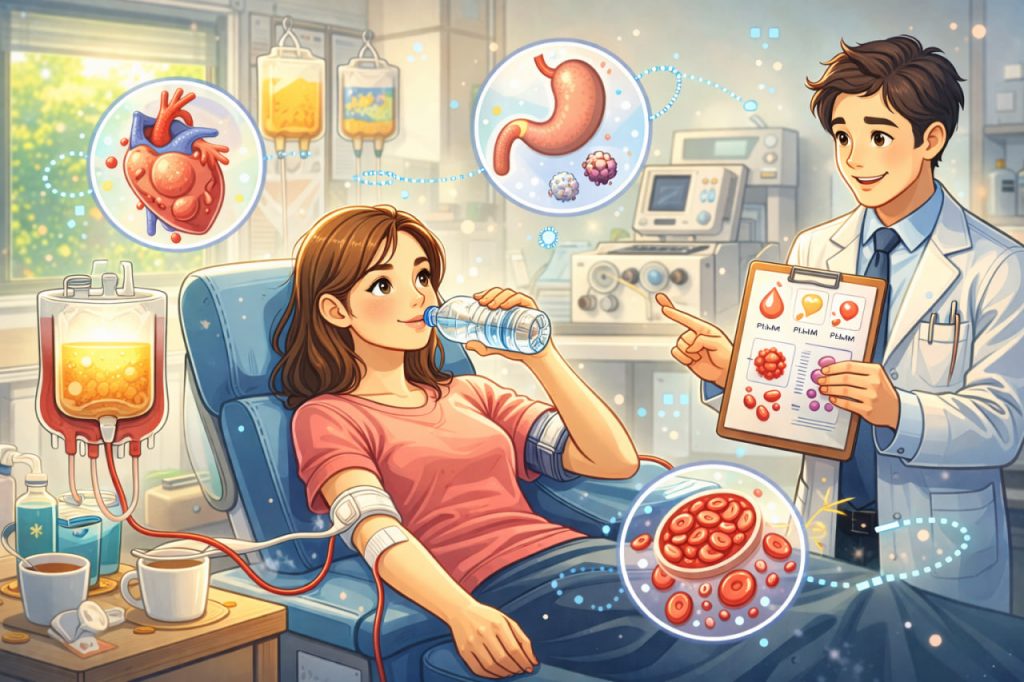
Blood and plasma donation is often described as a simple medical procedure, but inside the body it triggers a series of carefully regulated physiological responses. These changes are usually temporary…