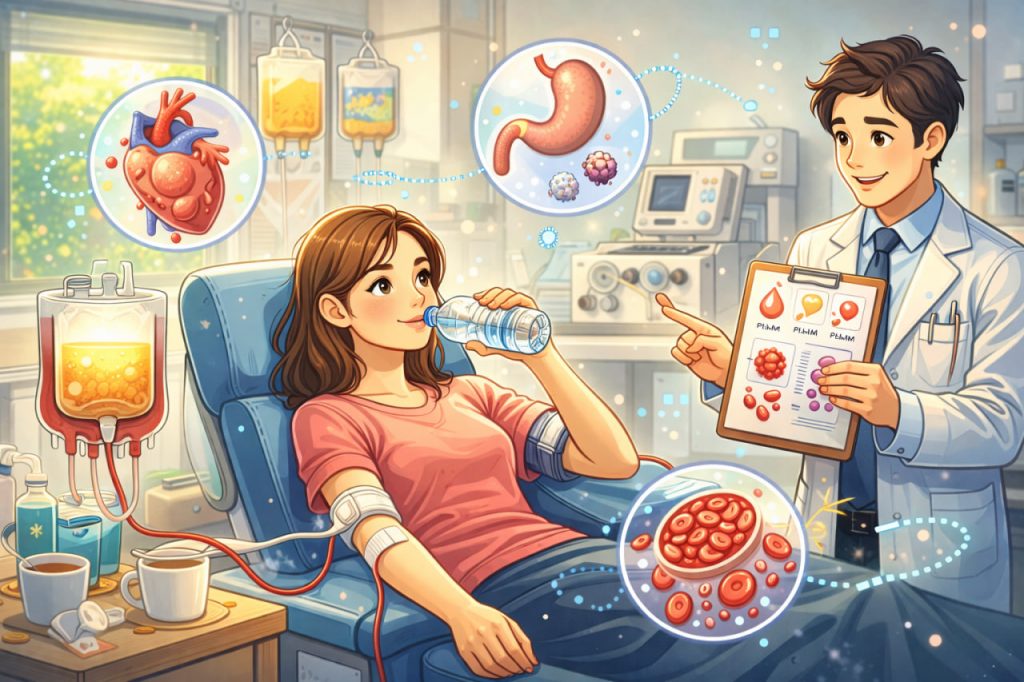
Blood and plasma donation is often described as a simple medical procedure, but inside the body it triggers a series of carefully regulated physiological responses. These changes are usually temporary and reflect the body’s strong ability to restore balance. Understanding what happens after donation helps reduce anxiety, explains common sensations, and highlights why proper recovery matters. While blood and plasma donation are similar in purpose, the body reacts to them in slightly different ways. Both processes demonstrate how adaptable the human organism is when functioning normally.
Immediate Effects After Donation
Right after donating blood or plasma, the body experiences a temporary reduction in circulating volume. To compensate, blood vessels slightly constrict and the heart rate may increase for a short time. This helps maintain stable blood pressure and oxygen delivery to vital organs. Some people feel mild fatigue, lightheadedness, or warmth, especially if they stand up too quickly. These sensations usually pass within minutes as the body stabilizes.
Fluid Balance and Plasma Recovery
Plasma is the liquid component of blood and is restored relatively quickly. After donation, the body begins replacing lost plasma volume within 24 to 48 hours, primarily using fluids from tissues and increased fluid intake. This is why donors are encouraged to drink water before and after the procedure. Electrolyte balance is also adjusted to maintain normal blood composition. Plasma donation places less strain on red blood cell levels than whole blood donation.
Red Blood Cells and Oxygen Transport
When whole blood is donated, the body temporarily has fewer red blood cells, which carry oxygen. To compensate, the body increases production of erythropoietin, a hormone that stimulates red blood cell formation in the bone marrow. Full restoration of red blood cell levels typically takes several weeks. During this time, mild tiredness during intense physical activity is possible, but everyday functions remain unaffected for most healthy individuals.
Iron Use and Metabolism
Iron is an essential component of hemoglobin inside red blood cells. After blood donation, the body uses stored iron to support new cell production. Frequent donors may experience reduced iron stores if intake is insufficient. This is why monitoring iron levels and maintaining a balanced diet is important for regular donors. The body naturally prioritizes iron usage for blood restoration during recovery.
Immune System Response
Blood and plasma donation do not weaken the immune system in healthy individuals. In fact, the immune system remains stable because immune cells are continuously produced. Plasma donation returns most cellular components to the donor, minimizing immune impact. The body maintains immune defense while focusing resources on restoring blood components. Temporary changes in immune markers are generally mild and short-lived.
Hormonal and Nervous System Adjustments
Donation activates short-term stress-response mechanisms, including mild increases in adrenaline. This helps maintain circulation and alertness during and immediately after donation. Once the body stabilizes, hormone levels return to baseline. These responses are normal and part of the body’s protective regulation system.
Why Rest and Nutrition Matter After Donation
After donation, rest allows the body to prioritize recovery. Adequate hydration supports plasma replacement, while nutrients—especially iron, protein, and vitamins—support red blood cell production. Skipping recovery steps may prolong fatigue or discomfort. Simple habits such as drinking fluids, eating balanced meals, and avoiding heavy exertion help ensure smooth recovery.
Long-Term Effects in Healthy Donors
In healthy individuals who follow donation guidelines, blood and plasma donation do not cause long-term harm. The body fully restores all components over time. Many donors report a sense of well-being knowing they contributed to saving lives. Regular medical screening also helps donors stay aware of their own health.
Interesting Facts
- Plasma volume can recover within 1–2 days.
- Red blood cells take weeks to fully regenerate.
- The body increases hormone production to stimulate recovery.
- Donation does not weaken immunity in healthy individuals.
- Hydration significantly speeds up plasma restoration.
Glossary
- Plasma — the liquid portion of blood that carries nutrients and proteins.
- Red Blood Cells — cells responsible for transporting oxygen.
- Hemoglobin — an iron-containing protein that binds oxygen.
- Erythropoietin — a hormone that stimulates red blood cell production.
- Circulating Volume — the amount of blood moving through the body.