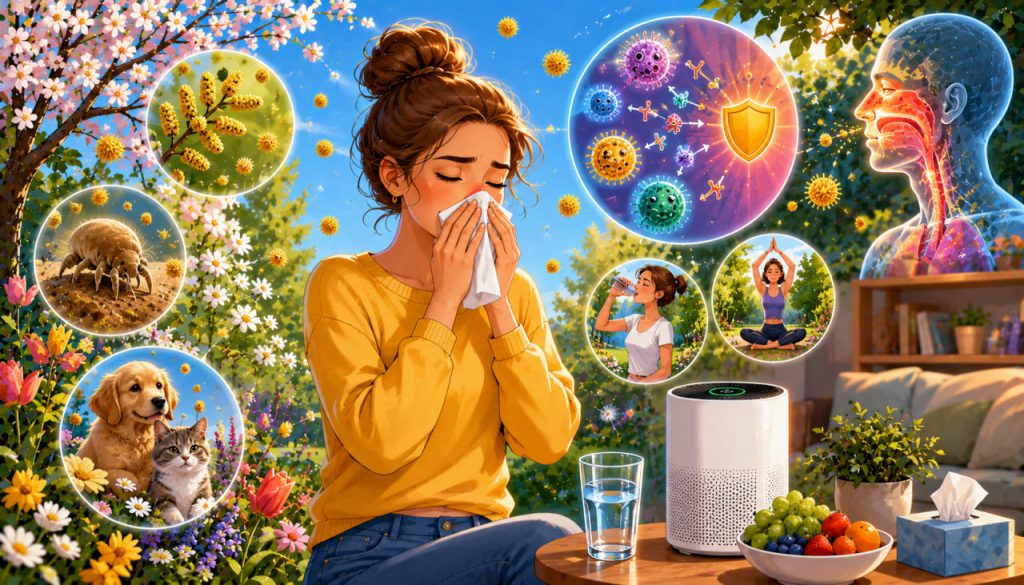
Allergies affect hundreds of millions of people worldwide and have become increasingly common in recent decades. For some individuals, allergies cause only mild discomfort, such as sneezing during pollen season. For others, they can significantly affect daily life or even become life-threatening. Despite their prevalence, many people misunderstand what allergies actually are and why they occur.
An allergy is not caused by a dangerous virus, bacterium, or toxin. Instead, it is the result of the immune system reacting excessively to a substance that is usually harmless. Understanding how allergies develop and learning how to manage them can help improve quality of life and reduce the risk of serious reactions.
What Is an Allergy?
An allergy occurs when the immune system mistakenly identifies a harmless substance as a threat.
These substances are known as allergens.
Common allergens include:
- Pollen
- Dust mites
- Animal dander
- Certain foods
- Mold spores
- Insect venom
- Some medications
When an allergic person encounters an allergen, the immune system launches a defensive response that can trigger a variety of symptoms.
How the Immune System Creates Allergic Reactions
The immune system normally protects the body from harmful pathogens.
In allergic individuals, however, the immune system produces antibodies called Immunoglobulin E (IgE) against harmless substances.
When exposure occurs again:
- IgE antibodies recognize the allergen.
- Immune cells release chemicals.
- Histamine and other inflammatory substances enter the bloodstream.
- Allergy symptoms develop.
Histamine is responsible for many familiar allergy symptoms.
Common Allergy Symptoms
Symptoms vary depending on the type of allergy and the affected organs.
Typical symptoms include:
- Sneezing
- Runny nose
- Nasal congestion
- Itchy eyes
- Watery eyes
- Skin rashes
- Hives
- Coughing
- Wheezing
Some reactions are mild, while others can be severe.
Seasonal Allergies
Seasonal allergies, often called hay fever or allergic rhinitis, are among the most common forms of allergy.
They are frequently triggered by:
- Tree pollen
- Grass pollen
- Weed pollen
Symptoms often worsen during specific times of the year when plants release pollen into the air.
Climate and local vegetation strongly influence allergy seasons.
Indoor Allergies
Not all allergies are seasonal.
Many people react to indoor allergens such as:
- Dust mites
- Pet dander
- Mold
- Cockroach allergens
Because these allergens may be present year-round, symptoms can persist continuously.
Improving indoor air quality often helps reduce exposure.
Food Allergies
Food allergies occur when the immune system reacts to specific foods.
Common triggers include:
- Peanuts
- Tree nuts
- Eggs
- Milk
- Fish
- Shellfish
- Soy
- Wheat
Symptoms can range from mild itching to severe systemic reactions.
Food allergies should always be taken seriously.
Anaphylaxis: A Medical Emergency
The most severe allergic reaction is called anaphylaxis.
Symptoms may include:
- Difficulty breathing
- Swelling of the throat
- Rapid drop in blood pressure
- Dizziness
- Loss of consciousness
Anaphylaxis requires immediate emergency medical treatment.
People at risk are often prescribed epinephrine auto-injectors.
Why Are Allergies Becoming More Common?
Scientists continue studying this question.
Several theories have been proposed, including:
- Environmental changes
- Air pollution
- Altered lifestyles
- Reduced exposure to microorganisms during childhood
- Genetic factors
The so-called hygiene hypothesis suggests that reduced microbial exposure early in life may influence immune system development.
However, allergies likely result from multiple interacting factors.
Identifying Your Triggers
One of the most important steps in managing allergies is identifying the responsible allergens.
This may involve:
- Tracking symptoms
- Monitoring seasonal patterns
- Allergy testing
- Consulting healthcare professionals
Knowing your triggers allows you to reduce exposure whenever possible.
What Can You Do Before Seeing a Specialist?
Several practical strategies may help reduce symptoms.
Depending on the allergen, useful measures include:
- Keeping windows closed during high-pollen days
- Showering after outdoor activities
- Using air filters
- Washing bedding regularly
- Reducing indoor dust
- Avoiding known food triggers
These steps may lower allergen exposure and reduce symptom severity.
Medications That May Help
Several types of medications are commonly used to manage allergies.
These include:
- Antihistamines
- Nasal sprays
- Eye drops
- Decongestants
Some are available without prescription, while others require medical supervision.
Medication choices should always follow professional guidance and product instructions.
Allergy Immunotherapy
For certain allergies, doctors may recommend immunotherapy.
This treatment gradually exposes the immune system to small amounts of an allergen over time.
The goal is to:
- Reduce sensitivity
- Improve tolerance
- Decrease symptoms
Immunotherapy can be highly effective for selected patients.
Allergies and Quality of Life
Although allergies are often underestimated, they can significantly affect daily living.
Poorly controlled allergies may contribute to:
- Sleep disruption
- Reduced concentration
- Fatigue
- Decreased productivity
Proper diagnosis and management often lead to substantial improvements in well-being.
Expert Perspective
Allergist and immunologist Gideon Lack is widely recognized for groundbreaking research into food allergy prevention. His work demonstrated that early, carefully managed exposure to certain foods may reduce the risk of developing allergies in some children. This research has significantly influenced modern allergy prevention guidelines and highlights how scientific understanding of allergies continues to evolve.
The Future of Allergy Treatment
Researchers are actively developing new therapies.
Areas of investigation include:
- Advanced immunotherapies
- Biologic medications
- Personalized treatment approaches
- Improved diagnostic testing
These innovations may offer better symptom control and improved quality of life for allergy sufferers in the future.
Conclusion
Allergies are the result of an overactive immune response to substances that are usually harmless. From pollen and dust mites to foods and insect venom, allergens can trigger symptoms ranging from mild irritation to life-threatening reactions. Understanding triggers, reducing exposure, and seeking appropriate medical care are key steps in effective allergy management.
While many allergies can be controlled successfully, persistent or severe symptoms should always be evaluated by a qualified healthcare professional. With proper diagnosis and treatment, most people with allergies can lead healthy and active lives.
Interesting Facts
- Allergies affect hundreds of millions of people worldwide.
- More than 170 foods have been reported to trigger allergic reactions.
- Pollen grains can travel hundreds of kilometers in the atmosphere.
- Histamine is one of the main chemicals responsible for allergy symptoms.
- Some allergies may appear for the first time during adulthood.
- Allergy rates have increased significantly in many countries during recent decades.
Glossary
- Allergy — An immune system reaction to a normally harmless substance.
- Allergen — A substance that triggers an allergic reaction.
- Histamine — A chemical released during allergic responses.
- IgE Antibody — An antibody involved in allergic reactions.
- Anaphylaxis — A severe, potentially life-threatening allergic reaction.
- Immunotherapy — Treatment that gradually reduces allergic sensitivity.
- Allergic Rhinitis — Inflammation of the nasal passages caused by allergens.