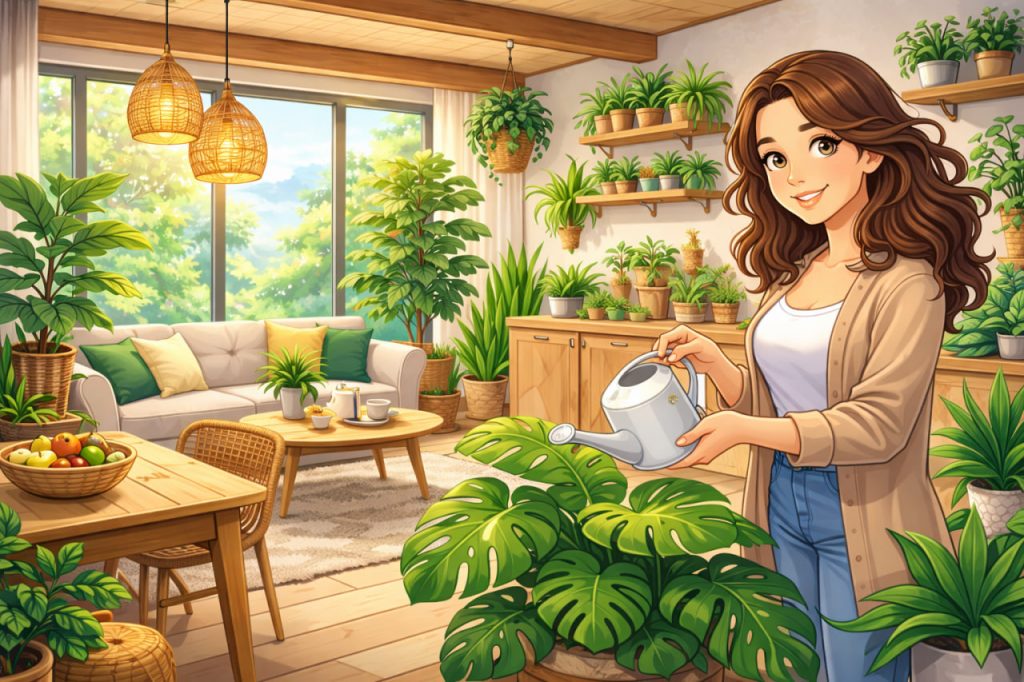
Eco interior design focuses on creating living spaces that are healthy for people and gentle on the planet. It combines aesthetics with responsibility by reducing environmental impact while improving comfort and well-being. Rather than following short-lived trends, ecodesign emphasizes durability, natural balance, and thoughtful use of resources. Materials, energy use, and greenery work together to shape interiors that feel calm, functional, and sustainable. This approach reflects a growing awareness that our homes influence both personal health and the wider environment. Eco interior design is not about sacrifice, but about smarter, more conscious choices.
Natural Materials as the Foundation
Natural materials are central to eco-friendly interiors because they are renewable, breathable, and often require less energy to produce. Wood, stone, clay, cork, linen, and wool create tactile, warm environments while avoiding excessive chemical processing. These materials age gracefully and can often be repaired rather than replaced. Their textures and imperfections add character that synthetic alternatives struggle to replicate. According to sustainable design researcher Dr. Helen Morris:
“Natural materials connect interior spaces to ecological cycles,
reminding us that homes are part of the environment, not separate from it.”
Choosing responsibly sourced materials strengthens both aesthetics and sustainability.
Energy Efficiency in Interior Design
Energy efficiency is a core pillar of eco interior design. Proper insulation, efficient lighting, and smart layout reduce energy consumption without compromising comfort. Natural light is maximized through thoughtful window placement and reflective surfaces. Energy-efficient appliances and lighting systems lower long-term environmental impact and operating costs. Interior design decisions—such as color choice, furniture placement, and airflow—directly affect heating and cooling needs. Efficient interiors are designed to work with natural conditions rather than against them.
The Role of Plants Indoors
Plants are more than decorative elements in eco interiors; they are active contributors to indoor quality. They help regulate humidity, soften acoustics, and create visual calm. Greenery also strengthens the psychological connection between people and nature, improving mood and focus. Different plants serve different roles, from large statement greenery to small functional accents. Integrating plants into living spaces supports the idea of interiors as living systems. Plants visually reinforce the eco philosophy in everyday life.
Healthy Indoor Environment
Eco interior design prioritizes indoor health alongside environmental responsibility. Reducing synthetic finishes, harsh chemicals, and artificial fragrances improves air quality. Natural ventilation and breathable materials help maintain a balanced indoor climate. This approach is especially important in modern urban environments where people spend most of their time indoors. A healthy interior supports physical comfort, mental clarity, and long-term well-being. Sustainability begins at the level of daily human experience.
Minimalism and Conscious Consumption
Eco design often aligns with minimalist principles, encouraging intentional choices rather than excess. Fewer, higher-quality items reduce waste and resource demand. Furniture and decor are selected for function, durability, and timeless design. This mindset shifts focus from constant replacement to long-term use. Conscious consumption makes interiors calmer, more personal, and more sustainable. Eco interiors are shaped by values as much as by style.
Long-Term Sustainability
True eco interior design considers the entire life cycle of materials and objects. From sourcing and production to maintenance and eventual reuse, each stage matters. Interiors designed with longevity in mind adapt better to changing needs over time. This reduces renovation waste and environmental pressure. Sustainability is achieved not through isolated features, but through integrated design thinking. Eco interiors grow with their inhabitants rather than becoming obsolete.
Why Eco Interior Design Matters
Eco interior design reflects a broader shift toward responsibility in everyday life. Homes influence consumption patterns, energy use, and emotional well-being. By choosing natural materials, efficient systems, and living elements, people create spaces that support both themselves and the environment. Eco interiors demonstrate that sustainability and beauty are not opposites, but partners. Thoughtful design transforms living spaces into balanced, future-oriented environments.
Interesting Facts
- Natural materials often improve indoor air quality.
- Energy-efficient interiors reduce costs over the long term.
- Indoor plants support psychological well-being.
- Durable design reduces renovation waste.
- Eco interiors rely on system thinking, not single solutions.
Glossary
- Eco Interior Design — sustainable approach to interior planning and materials.
- Natural Materials — minimally processed materials from renewable sources.
- Energy Efficiency — reducing energy use while maintaining comfort.
- Indoor Greenery — plants integrated into interior spaces.
- Sustainable Living — lifestyle that minimizes environmental impact.