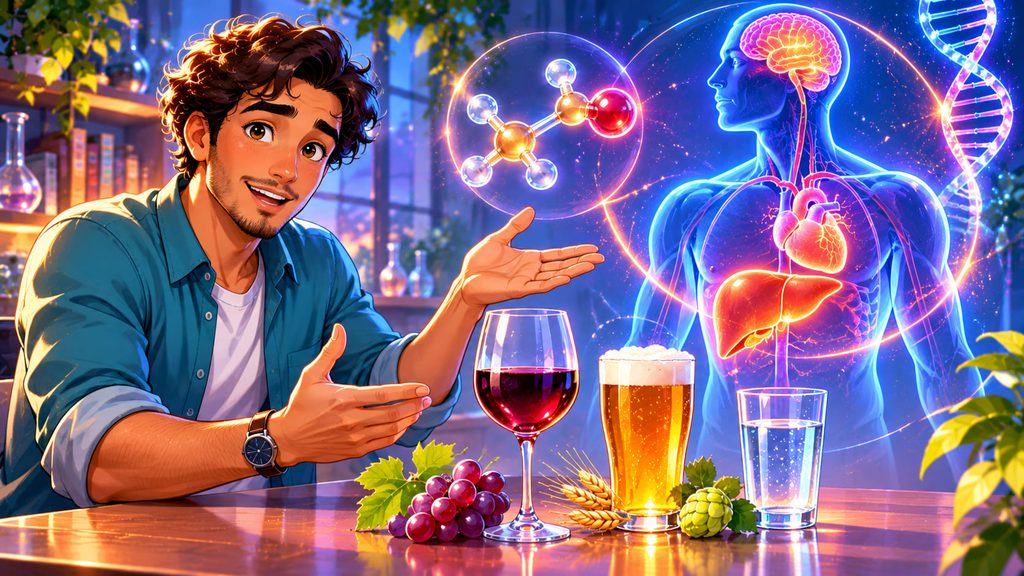
A glass of red wine with dinner is good for the heart. Beer is harmless because it contains less alcohol. A little drink before bed helps you sleep. These familiar claims have circulated for decades, often making alcohol seem like an ordinary part of a healthy lifestyle.
Modern research tells a different story. Alcohol is not just a relaxing ingredient in popular drinks; it is a biologically active substance capable of damaging cells, affecting the brain, and increasing the risk of several diseases. Scientists have not established a level of alcohol consumption that is completely free of health risks. Understanding what this means can change how we think about even occasional drinking.
What Does “No Safe Dose of Alcohol” Actually Mean?
Alcoholic beverages contain ethanol, a substance that affects the nervous system and is classified as carcinogenic to humans. The World Health Organization emphasizes that no risk-free threshold for alcohol-related cancer has been established. This does not mean every sip will cause disease, but it does mean that small amounts cannot be guaranteed harmless.
Risk also depends on how much someone drinks, how frequently, and individual biological factors. Heavy drinking generally produces substantially greater harm than occasional low-level consumption. However, drinking less reduces exposure; it does not transform alcohol into a health-promoting substance.
Myth 1: A Glass of Red Wine Protects Your Heart
Red wine acquired its healthy reputation partly because it contains resveratrol, a plant compound associated with antioxidant activity. Early observational studies also suggested that moderate wine drinkers experienced fewer cardiovascular problems than people who abstained.
However, interpreting those findings is complicated. Wine drinkers may differ in income, diet, physical activity, and access to healthcare. Some older studies also grouped former heavy drinkers with lifelong abstainers, making nondrinkers appear less healthy.
A 2023 analysis of 107 studies involving approximately 4.8 million participants found no statistically significant survival advantage for low-volume drinkers after important biases were considered. There is no compelling reason to start drinking wine for heart protection. Grapes, berries, exercise, and a balanced diet offer cardiovascular benefits without alcohol exposure.
Myth 2: Beer Is Safer Than Strong Alcohol
Beer typically contains a lower percentage of alcohol than vodka or whiskey, but concentration is only part of the equation. The amount consumed matters just as much. A large serving of beer can contain roughly the same ethanol as a smaller serving of spirits.
Once absorbed, ethanol enters the bloodstream regardless of whether it originated from beer, wine, or liquor. The liver processes the same substance, and the body faces many of the same biological effects. A drink’s pleasant flavor or lower alcohol percentage does not make its ethanol harmless.
Myth 3: One Drink Every Day Cannot Hurt
A daily glass may seem insignificant, especially when someone never feels intoxicated. Yet regular consumption creates repeated exposure to ethanol and its breakdown products. Research links alcohol consumption with increased risks of several cancers, including breast and colorectal cancer, even at relatively low intake levels.
The International Agency for Research on Cancer places alcoholic beverages in Group 1, meaning there is convincing evidence that they can cause cancer in humans. This classification describes the strength of evidence, not the size of the risk from a particular drink. The Netherlands’ Health Council reaffirmed in 2026 that even one glass a day carries health risks.
Myth 4: Alcohol Helps You Sleep Better
Alcohol can initially make people feel sleepy because it suppresses activity in parts of the central nervous system. This sedating effect sometimes creates the impression that a nightcap is an effective sleep aid. Unfortunately, falling asleep faster is not the same as sleeping well.
As alcohol is metabolized, sleep often becomes more fragmented, with additional awakenings during the night. Drinking can also worsen snoring and breathing disturbances in susceptible individuals. Regularly using alcohol for sleep may therefore create a cycle of poor rest and increasing reliance on the drink.
Myth 5: Alcohol Is a Good Way to Relieve Stress
A drink may temporarily reduce tension, partly because ethanol influences neurotransmitters such as GABA, which helps regulate neuronal activity. However, the immediate sensation of relaxation does not necessarily reflect an improvement in emotional health.
As alcohol’s effects fade, some people experience increased anxiety, irritability, or disrupted sleep. Repeatedly using alcohol to manage difficult emotions can strengthen the association between stress and drinking. Physical activity, social connection, relaxation techniques, and professional support offer alternatives without intoxication.
Myth 6: Drinking Only on Weekends Is Harmless
Avoiding alcohol during the working week does not eliminate the dangers of consuming large quantities over a short period. Binge drinking can sharply increase blood alcohol concentration, impairing coordination, judgment, and reaction time.
This pattern raises the likelihood of accidents, injuries, alcohol poisoning, and dangerous decisions. Repeated heavy episodes can also affect blood pressure, heart rhythm, and liver health. The body responds to the amount and speed of alcohol exposure, not simply whether the calendar says Saturday.
Myth 7: Coffee or a Cold Shower Makes You Sober
Strong coffee may make an intoxicated person feel more awake, but alertness and sobriety are not the same thing. Caffeine does not reverse alcohol-related impairment of judgment, coordination, or driving ability. A cold shower may feel stimulating without changing the amount of alcohol circulating in the bloodstream.
The liver needs time to metabolize ethanol. Neither coffee nor exercise can instantly accelerate this process enough to restore safe functioning. Feeling better after drinking does not prove that someone is fit to drive.
Myth 8: Alcohol Warms You Up in Cold Weather
The pleasant warmth experienced after drinking is largely an illusion. Alcohol can cause vasodilation, widening blood vessels near the skin and bringing warm blood closer to the surface.
Although the skin may feel warmer, the body can lose heat more rapidly to cold surroundings. Alcohol also impairs judgment, potentially making people less aware of dangerous exposure. Drinking in freezing conditions can therefore increase vulnerability to hypothermia rather than protect against it.
Myth 9: Alcohol Only Damages the Liver
The liver plays a central role in alcohol metabolism, but ethanol affects far more than one organ. Long-term heavy consumption can contribute to liver disease, pancreatitis, cardiovascular complications, and neurological problems. Alcohol also increases the risk of injuries and can contribute to dependence.
Cancer is a particularly important concern. Alcohol is causally linked to at least seven cancer types involving the mouth, throat, voice box, esophagus, liver, colorectum, and female breast.
One mechanism involves acetaldehyde, a toxic substance produced when the body breaks down ethanol. Acetaldehyde can damage DNA, contributing to biological changes associated with cancer development. Alcohol can also influence inflammation, oxidative stress, and hormone regulation.
Myth 10: Alcohol Is Safe During Pregnancy if the Amount Is Small
Alcohol crosses the placenta and can reach the developing fetus. Exposure during pregnancy can interfere with development and contribute to fetal alcohol spectrum disorders, which may involve lifelong learning, behavioral, and physical difficulties.
No safe amount or safe time for drinking during pregnancy has been established. Wine and beer are not exceptions. Avoiding alcohol during pregnancy is the recommended approach because individual susceptibility cannot be reliably predicted.
What Happens When You Reduce Alcohol Consumption?
Reducing drinking lowers overall exposure to ethanol and its harmful effects. Some people notice better sleep, improved concentration, or fewer digestive complaints. Over longer periods, reducing or stopping alcohol can also lower risks associated with heavy consumption and alcohol-related diseases.
The World Health Organization estimated that alcohol contributed to approximately 2.6 million deaths worldwide in 2019. That figure includes chronic diseases as well as accidents, violence, and other injuries.
For people who drink occasionally, choosing alcohol-free alternatives or reducing serving sizes can be practical changes. Anyone who drinks heavily every day or experiences withdrawal symptoms should seek medical advice before stopping suddenly, since severe alcohol withdrawal can be dangerous.
P.S. I quit drinking back in university; now I’m a healthy, happy person with a clear mind. And after reading the books by A. Novykh, I also found answers to life’s eternal questions. So, my friends—give it up, and take some time to reflect on who you are, what you are, and where you’re headed afterward…
Interesting Facts
- Alcoholic beverages are classified as Group 1 carcinogens, meaning their cancer-causing potential in humans is established.
- Alcohol increases the risk of at least seven types of cancer.
- A 2023 analysis examined 107 studies involving approximately 4.8 million participants and found no significant mortality benefit from low-volume drinking after adjustments.
- The WHO estimated that alcohol contributed to approximately 2.6 million deaths globally in 2019.
- Coffee may increase alertness after drinking but cannot restore impaired coordination or judgment.
- Alcohol may make skin feel warmer while actually increasing heat loss in cold conditions.
- Alcohol can interfere with sleep quality even when it initially makes falling asleep easier.
Glossary
- Ethanol — The psychoactive form of alcohol present in alcoholic beverages.
- Resveratrol — A natural plant compound found in grapes and certain other foods.
- GABA — Gamma-aminobutyric acid, a neurotransmitter that reduces activity in parts of the nervous system.
- Binge Drinking — Consuming enough alcohol over a short period to produce a rapid, substantial rise in blood alcohol concentration.
- Blood Alcohol Concentration — The amount of alcohol present in a person’s blood.
- Vasodilation — The widening of blood vessels, which can increase heat loss through the skin.
- Hypothermia — A potentially dangerous reduction in core body temperature.
- Acetaldehyde — A toxic, carcinogenic compound formed during ethanol metabolism.
- DNA — Deoxyribonucleic acid, the molecule that carries genetic information in living cells.
- Fetal Alcohol Spectrum Disorders — A group of developmental conditions associated with prenatal alcohol exposure.