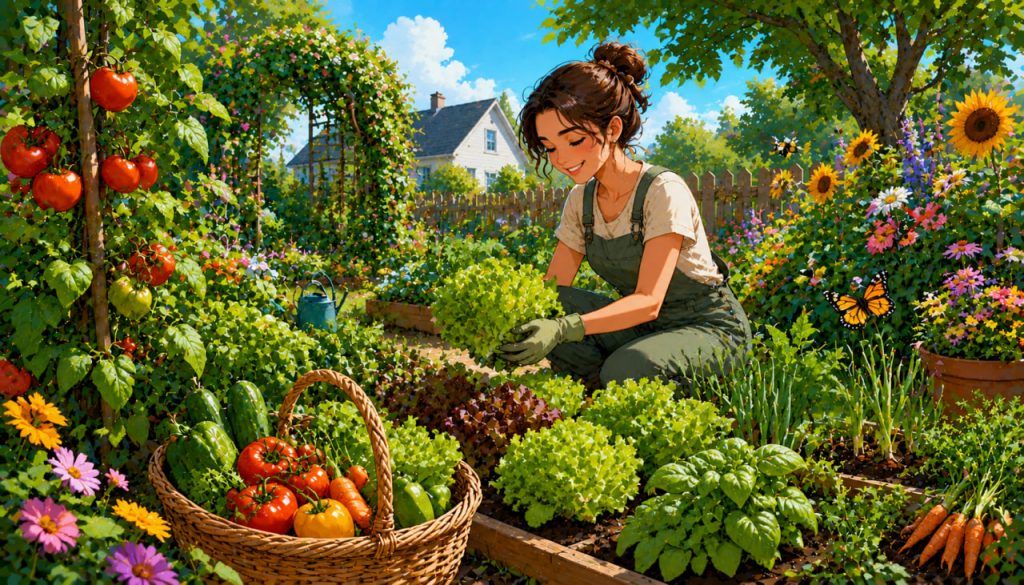
Home gardening has experienced a remarkable revival in recent years. While many people begin gardening to grow fresh vegetables or save money, they often discover something even more valuable: gardening can positively affect physical health, mental well-being, nutrition, and overall quality of life.
For thousands of years, humans lived closely connected to plants and the natural environment. Modern urban lifestyles have reduced that connection, leaving many people spending most of their time indoors. A home garden, whether it consists of a large backyard plot or a few containers on a balcony, can help restore some of that lost relationship with nature.
Scientific research increasingly suggests that gardening is more than a hobby. It combines physical activity, healthy eating, stress reduction, and environmental exposure in a way few other activities can match.
Why Gardening Is Good for Physical Health
Gardening naturally encourages movement.
Common gardening activities include:
- Digging
- Planting
- Watering
- Weeding
- Carrying tools and soil
- Harvesting crops
These activities engage multiple muscle groups and help improve overall fitness.
Unlike formal exercise, gardening often feels enjoyable and purposeful, making it easier for many people to maintain consistently.
According to health researchers, moderate gardening can provide levels of physical activity similar to brisk walking in certain situations.
Gardening Encourages Healthier Eating
One of the greatest health benefits of home gardening is improved nutrition.
People who grow their own food often eat more:
- Vegetables
- Fruits
- Herbs
- Leafy greens
Freshly harvested produce typically reaches the table quickly, helping preserve flavor and nutritional quality.
Children who participate in gardening are often more willing to try vegetables they have grown themselves.
A garden can transform healthy eating from a recommendation into a daily habit.
Better Access to Fresh Produce
Many gardeners appreciate knowing exactly where their food comes from.
Home-grown vegetables often provide:
- Greater freshness
- Reduced transportation distances
- Fewer packaging materials
- Greater variety
Gardeners can choose unique varieties that may not be available in supermarkets.
This diversity can enrich diets and introduce new flavors and nutrients.
Gardening and Mental Health
One of the most fascinating aspects of gardening is its effect on psychological well-being.
Numerous studies suggest that spending time with plants and natural environments may help:
- Reduce stress
- Improve mood
- Increase feelings of relaxation
- Enhance emotional resilience
Many people describe gardening as a form of active meditation.
The repetitive, focused nature of gardening tasks can help quiet racing thoughts and promote mindfulness.
The Science Behind Nature Exposure
Researchers studying environmental psychology have found that exposure to natural settings may influence mental health in positive ways.
Gardens provide:
- Green vegetation
- Natural sounds
- Sunlight
- Seasonal changes
These environmental factors may contribute to psychological restoration after mentally demanding activities.
Simply spending time among plants can help many people feel calmer and more connected to their surroundings.
Gardening and Stress Reduction
Modern life often involves chronic stress.
Gardening offers a practical way to disconnect from daily pressures.
Activities such as:
- Watering plants
- Harvesting vegetables
- Caring for seedlings
can create a sense of accomplishment and control.
Many gardeners report feeling noticeably more relaxed after spending time in their gardens.
The Role of Sunlight
Gardening usually involves spending time outdoors.
Moderate sunlight exposure supports:
- Vitamin D production
- Circadian rhythm regulation
- Mood stability
Vitamin D plays an important role in:
- Bone health
- Immune function
- Muscle performance
Of course, proper sun protection remains important during prolonged outdoor activities.
Gardening Builds Patience and Resilience
Plants grow according to natural rhythms rather than human schedules.
Gardeners learn valuable lessons about:
- Patience
- Persistence
- Adaptability
Not every seed germinates.
Not every harvest succeeds.
These experiences can help people develop resilience and a healthier perspective on setbacks.
Social Benefits of Gardening
Gardens often bring people together.
Community gardens and shared gardening projects can encourage:
- Cooperation
- Knowledge sharing
- Social interaction
- Stronger neighborhoods
Even home gardeners frequently exchange seeds, produce, and advice with friends and neighbors.
These social connections contribute to overall well-being.
Gardening and Healthy Aging
Researchers increasingly recognize gardening as a valuable activity for older adults.
Potential benefits include:
- Gentle physical exercise
- Mental stimulation
- Social engagement
- Improved mobility
Because gardening can be adapted to different physical abilities, it remains accessible throughout much of life.
Raised beds and container gardens make participation easier for many seniors.
Soil and the Human Microbiome
Scientists continue investigating the relationship between environmental microbes and human health.
Healthy garden soil contains countless microorganisms.
Some researchers believe exposure to diverse natural microbes may help support immune system development and regulation.
Although this field remains an area of active study, it highlights another fascinating connection between gardening and health.
Expert Perspective
Public health physician Rangan Chatterjee has frequently emphasized that simple lifestyle habits—including spending time outdoors, moving regularly, reducing stress, and improving nutrition—can have profound effects on long-term health. Gardening uniquely combines many of these beneficial factors into a single activity, making it an especially powerful tool for supporting overall well-being.
Environmental Benefits Also Support Human Health
A healthy environment contributes directly to human health.
Home gardens can:
- Support pollinators
- Improve local biodiversity
- Reduce urban heat
- Increase green space
Greener neighborhoods are often associated with improved quality of life and greater environmental resilience.
Conclusion
Home gardening is far more than a method of producing food. It combines physical activity, healthier eating, stress reduction, social interaction, and connection with nature into a single rewarding practice. Scientific research increasingly supports what gardeners have long known: spending time cultivating plants can benefit both body and mind.
Whether growing tomatoes in a backyard, herbs on a windowsill, or vegetables in raised beds, gardeners gain access not only to fresh produce but also to a healthier lifestyle. In an increasingly fast-paced and technology-driven world, a simple garden may be one of the most effective tools available for improving overall well-being.
Interesting Facts
- Gardening can burn hundreds of calories per hour depending on the activity.
- Many gardeners consume more vegetables than non-gardeners.
- Community gardens exist in thousands of cities worldwide.
- Freshly harvested vegetables often retain excellent flavor and nutritional value.
- Exposure to natural green spaces has been linked to reduced stress levels.
- Some herbs can be successfully grown indoors year-round.
Glossary
- Vitamin D — A vitamin produced by the skin during sunlight exposure.
- Circadian Rhythm — The body’s internal biological clock.
- Mindfulness — Focused awareness of the present moment.
- Microbiome — A community of microorganisms living in a particular environment.
- Raised Bed — An elevated gardening area filled with soil.
- Pollinator — An animal, such as a bee or butterfly, that transfers pollen between flowers.
- Biodiversity — The variety of living organisms in an ecosystem.