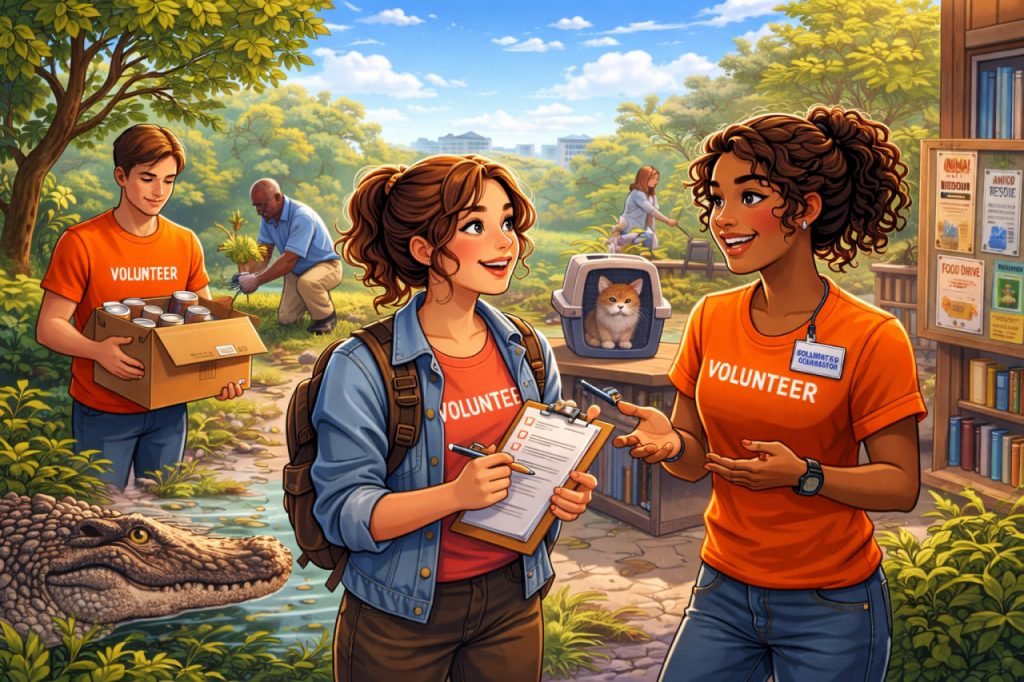
Volunteering is one of the most meaningful ways to make a positive impact on the world while also growing as a person. It allows individuals to help others, support important causes, and gain valuable life experience. However, many people don’t know where to begin or how to choose the right path. Starting correctly is important, because it helps ensure that your efforts are both effective and personally fulfilling. Volunteering is not just about helping—it is about finding a role where your time, skills, and motivation create real value.
Why Volunteering Matters
Volunteering benefits both society and the individual. It helps communities solve problems, support vulnerable groups, and improve quality of life. At the same time, volunteers gain new skills, experience, and connections. It can improve confidence, provide career opportunities, and give a sense of purpose. This mutual benefit is what makes volunteering such a powerful activity.
Choose the Right Direction
The first step is to decide what kind of work interests you. There are many areas, including education, environmental protection, healthcare, animal care, and social support. Choosing something meaningful to you increases motivation and long-term commitment. It is also important to consider your strengths—whether you prefer working with people, organizing tasks, or helping behind the scenes.
Start Small and Be Consistent
You don’t need to commit a huge amount of time at the beginning. Starting with small tasks or short-term projects allows you to understand the process and find what suits you best. Consistency is more important than intensity. Even a few hours per week can make a real difference when done regularly.
Find Reliable Organizations
It is important to work with trusted organizations that have clear goals and structure. This ensures that your efforts are used effectively. Look for groups with transparent activities, good communication, and positive feedback. Many organizations provide training and support, making it easier for beginners to get involved.
Develop Skills Through Volunteering
Volunteering is also a powerful way to develop practical skills. Communication, teamwork, leadership, and problem-solving are all strengthened through real experience. These skills are valuable not only in volunteering but also in education and career development. Over time, volunteers often take on more responsibility and grow into leadership roles.
Stay Motivated and Avoid Burnout
It is important to maintain balance and avoid overcommitment. Helping others should not come at the cost of your own well-being. Setting realistic expectations and taking breaks when needed helps sustain long-term involvement. Remember that volunteering is a journey, not a race.
P.S. Remember that volunteering is a great way not only to help those in need, but also to improve your own health, especially your mental health. And if you’re also interested in the spiritual aspect of this activity, please feel free to leave a comment.
Interesting Facts
- Volunteering can improve mental well-being and reduce stress
- Many employers value volunteer experience when hiring
- Even small contributions can have a significant social impact
- Volunteering helps build strong social connections
- It can open opportunities for career development
Glossary
- Volunteering — unpaid work done to help others or support a cause
- Community — a group of people living or working together
- Commitment — dedication to a task or activity
- Skill Development — improving abilities through practice
- Burnout — physical or emotional exhaustion from overwork