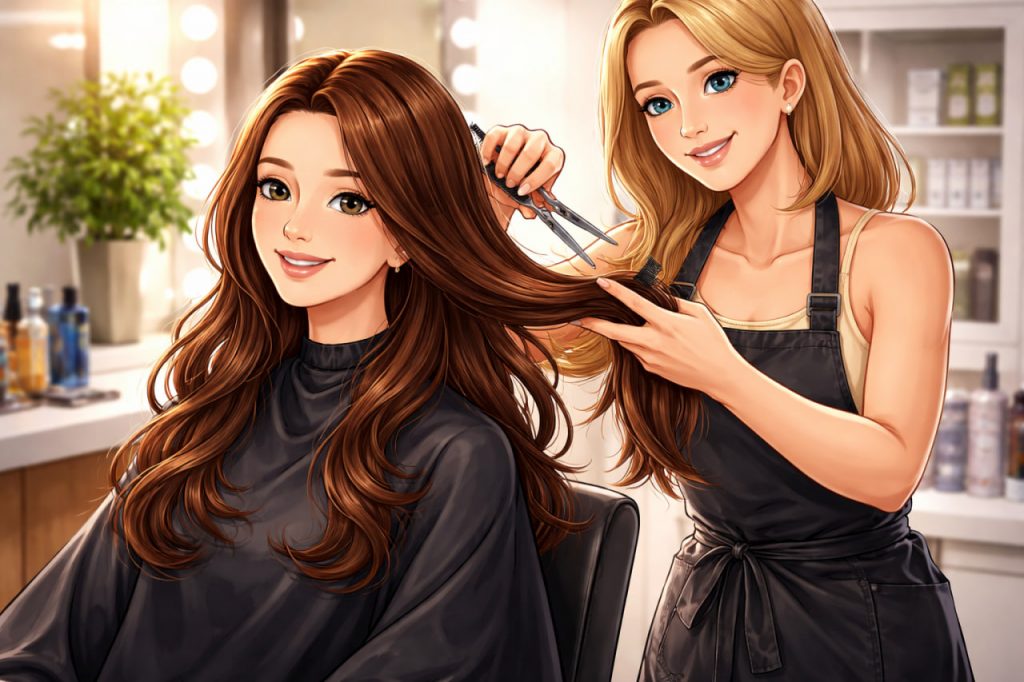
Haircuts are an essential part of personal grooming and hygiene. Regular trimming helps maintain a neat appearance and supports overall hair care. However, many myths exist about haircuts, including claims that cutting hair affects its growth or health in unexpected ways. Understanding the real benefits and possible downsides of haircuts helps create a balanced approach to hair care.
Why Haircuts Are Important
Hair naturally becomes damaged over time due to environmental factors, styling, and daily wear. Regular haircuts help remove split ends and weakened strands, improving the overall look of the hair. As experts note:
“Trimming hair regularly helps maintain its appearance by removing damaged ends.”
This does not directly change how hair grows, but it can make it look healthier and more manageable.
Do Haircuts Affect Growth
A common myth is that cutting hair makes it grow faster or thicker. In reality, hair growth occurs at the scalp, not at the ends. Haircuts do not change the rate of growth, but they can prevent breakage, which may give the appearance of healthier, fuller hair over time.
Potential Risks and Mistakes
While haircuts are generally safe, there can be some downsides if not done properly. Using unclean tools may increase the risk of irritation or minor infections. Excessive or overly frequent cutting can also make it difficult to maintain desired hair length. Poor technique may lead to uneven results or unnecessary damage to the hair structure.
Hygiene and Safety
Professional salons typically follow hygiene standards, including sterilizing tools and maintaining clean workspaces. If cutting hair at home, it is important to use clean, sharp tools to avoid pulling or damaging hair strands. Maintaining hygiene helps reduce any potential risks.
How Often Should You Cut Your Hair
The frequency of haircuts depends on hair type and personal preferences. Short hairstyles may require more frequent trims, while longer hair can be maintained with less frequent cutting. Regular maintenance helps keep hair looking neat and prevents excessive damage.
Hair Care Beyond Cutting
Haircuts are only one part of overall hair care. Proper washing, conditioning, and minimizing heat damage are also important. A balanced approach ensures that hair remains strong and manageable over time.
Separating Facts From Myths
Understanding the difference between myths and facts helps avoid unnecessary concerns. Haircuts do not alter the biological process of growth, but they do play an important role in maintaining the appearance and condition of hair.
Interesting Facts
- Hair grows from the scalp, not from the ends.
- Regular trims help remove split ends.
- Clean tools are important for safe haircuts.
- Haircuts can improve the appearance of thickness.
- Hair growth rate remains unchanged by cutting.
Glossary
- Split Ends — damaged ends of hair that have separated.
- Hair Follicle — the structure in the scalp where hair grows.
- Hair Growth — the process of hair forming from the follicle.
- Hygiene — practices that maintain cleanliness and safety.
- Hair Structure — the physical composition of a hair strand.