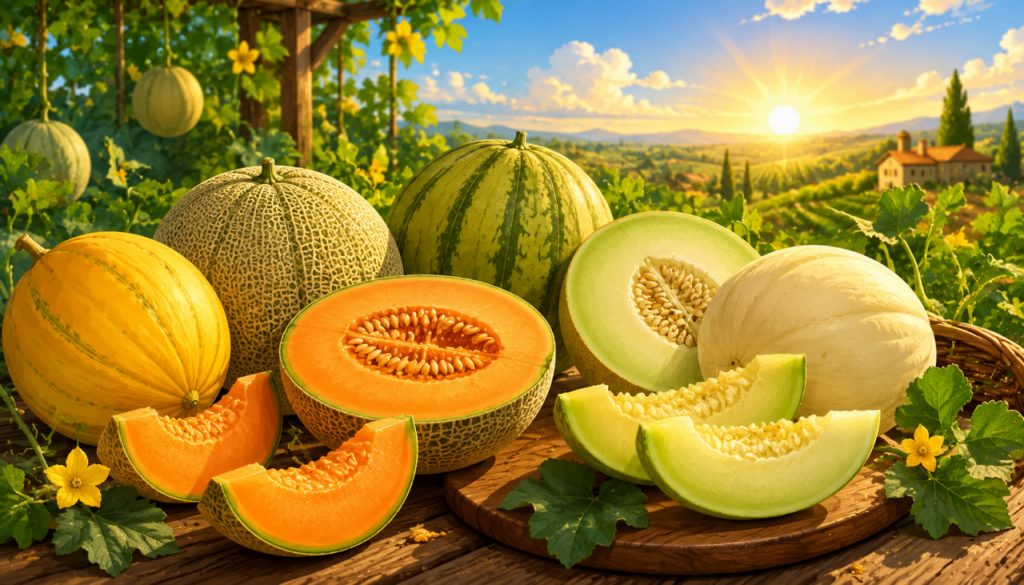
Sweet, juicy, and incredibly refreshing, melons have been enjoyed for thousands of years. Whether served fresh on a hot summer day, blended into smoothies, or added to fruit salads, they are among the world’s most popular fruits. Beyond their pleasant taste, melons are packed with water, vitamins, minerals, and plant compounds that support overall health.
From the familiar cantaloupe and honeydew to aromatic Asian melons, these fruits belong to the gourd family and have adapted to grow in a wide range of climates. Their combination of high water content and valuable nutrients makes melons one of the healthiest low-calorie fruits available.
What Is a Melon?
Melons belong to the species Cucumis melo, part of the Cucurbitaceae family, which also includes cucumbers, pumpkins, squash, and watermelons’ close relatives.
Despite their many shapes and flavors, most melons share similar characteristics:
- Thick outer rind
- Soft, juicy flesh
- Central cavity filled with seeds
- High water content
- Naturally sweet flavor
Different varieties have been cultivated through selective breeding for thousands of years, producing remarkable diversity in size, aroma, texture, and sweetness.
Popular Types of Melons
Hundreds of melon varieties exist worldwide.
Among the best known are:
Cantaloupe
Cantaloupe has orange flesh, a netted rind, and a rich aroma.
It is particularly high in beta-carotene, which the body converts into vitamin A.
Honeydew
Honeydew melons have smooth pale skin and light green flesh.
Their flavor is milder and sweeter, with excellent hydration properties.
Galia Melon
Originally developed in Israel, Galia melons combine the fragrant aroma of cantaloupe with the sweet green flesh of honeydew.
Canary Melon
Named for its bright yellow skin, the Canary melon has crisp white flesh and a delicate sweetness.
Each variety offers a slightly different balance of sugars, vitamins, and antioxidants.
Nutritional Value
Melons are remarkably nutritious despite containing relatively few calories.
A typical serving provides:
- Vitamin C
- Vitamin A (especially orange-fleshed varieties)
- Potassium
- Folate
- Dietary fiber
- Natural antioxidants
At the same time, melons are composed of approximately 90% water, making them excellent fruits for hydration.
Because they contain large amounts of water and relatively few calories, melons can promote satiety while contributing to healthy fluid intake.
Why Melons Are So Hydrating
Hydration is essential for nearly every function in the human body.
Water helps regulate body temperature, transport nutrients, lubricate joints, and support cellular metabolism.
Since melons consist mostly of water, they naturally help replenish fluids during hot weather or after physical activity.
Unlike sugary soft drinks, melons provide hydration together with vitamins, minerals, and dietary fiber.
Vitamins That Support Health
Melons contain several important vitamins.
Vitamin C contributes to:
- Immune function
- Collagen production
- Wound healing
- Antioxidant protection
Orange-fleshed melons are especially rich in beta-carotene.
The body converts beta-carotene into vitamin A, which supports:
- Vision
- Healthy skin
- Immune defenses
- Normal cell growth
These nutrients make melons valuable components of a balanced diet.
Natural Antioxidants
Like many fruits, melons contain plant compounds that help protect cells from oxidative stress.
Depending on the variety, these compounds include:
- Beta-carotene
- Lutein
- Zeaxanthin
- Vitamin C
- Various polyphenols
Antioxidants help neutralize reactive molecules known as free radicals, which are produced during normal metabolism and can contribute to cellular damage over time.
While antioxidants are not miracle substances, diets rich in fruits and vegetables are consistently associated with better long-term health outcomes.
Are Melons Good for Weight Management?
Because melons are naturally low in calories and high in water, they are often included in balanced eating plans.
Their fiber and water content help create a feeling of fullness.
Although melons contain natural sugars, they are generally much less energy-dense than many processed desserts.
Replacing high-calorie snacks with fresh fruit may help reduce overall calorie intake without sacrificing sweetness.
Choosing and Storing a Ripe Melon
Selecting a good melon involves several simple observations.
A ripe melon often has:
- A pleasant sweet aroma
- Slight softness at the blossom end
- Appropriate weight for its size
- Healthy, undamaged rind
After cutting, melons should be refrigerated promptly.
Proper refrigeration slows bacterial growth and helps preserve flavor and nutritional quality.
Food safety experts recommend avoiding leaving cut melon at room temperature for extended periods.
Melons in Agriculture
Melons thrive in warm climates with plenty of sunlight.
Successful cultivation requires:
- Well-drained soil
- Consistent watering
- Pollinating insects
- Adequate growing temperatures
Bees play a particularly important role by transferring pollen between flowers, enabling fruit development.
Modern agriculture continues developing melon varieties with improved disease resistance, shelf life, sweetness, and drought tolerance.
Expert Perspective
Horticultural scientist Harry S. Paris, whose research has contributed significantly to the understanding and breeding of cucurbit crops, has emphasized the remarkable genetic diversity within Cucumis melo. His work has helped explain how centuries of selective breeding produced the wide range of melon varieties enjoyed today, each differing in flavor, aroma, texture, appearance, and nutritional characteristics. These studies continue to guide breeders in developing melons with improved quality, disease resistance, and environmental adaptability.
Why Melons Remain Popular Worldwide
Melons combine several desirable qualities rarely found together in a single fruit.
They are:
- Naturally sweet
- Highly hydrating
- Rich in vitamins
- Low in calories
- Versatile in cooking
- Easy to prepare
Whether eaten fresh, added to salads, blended into smoothies, or paired with savory dishes, melons remain a favorite in cuisines around the world.
Their refreshing taste, nutritional value, and exceptional water content make them one of the healthiest fruits for warm weather and everyday enjoyment.
Interesting Facts
- Melons have been cultivated for several thousand years in parts of Africa, Asia, and the Mediterranean region.
- Some melon varieties can weigh more than 10 kilograms (22 pounds).
- The characteristic aroma of ripe melons comes from dozens of naturally occurring volatile compounds.
- Bees are essential pollinators for most commercial melon production.
- Orange-fleshed melons contain much higher levels of beta-carotene than green-fleshed varieties.
- Although commonly treated as fruits, melons are botanically classified as a type of berry called a pepo, characterized by a thick rind and fleshy interior.
Glossary
- Melon — A sweet, fleshy fruit belonging to the species Cucumis melo.
- Cucurbitaceae — The plant family that includes melons, cucumbers, pumpkins, squash, and related crops.
- Beta-Carotene — An orange plant pigment that the body converts into vitamin A.
- Antioxidant — A substance that helps protect cells from oxidative damage caused by free radicals.
- Free Radical — A highly reactive molecule produced during normal metabolism and environmental exposure.
- Dietary Fiber — The indigestible portion of plant foods that supports digestive health.
- Pollination — The transfer of pollen between flowers, allowing plants to produce seeds and fruit.
- Polyphenols — A large group of naturally occurring plant compounds with antioxidant properties.
- Hydration — Maintaining adequate levels of water in the body for normal physiological function.
- Pepo — A botanical type of berry with a hard rind, characteristic of many members of the gourd family.