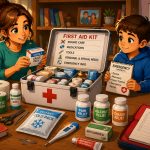
Psychological support can be as important as physical assistance when a person experiences grief, disaster, violence, serious illness, panic, or another overwhelming event.
However, helping does not mean forcing someone to talk, giving quick advice, or trying to act like a therapist. Effective support is usually quieter and more practical.
The goal of psychological first aid is to reduce immediate distress, strengthen safety, and connect the person with useful support without taking away their dignity or independence.
What Psychological First Aid Really Means
Psychological First Aid, often shortened to PFA, is an evidence-informed approach used after distressing events.
The World Health Organization describes it as humane, supportive, and practical help for people suffering after a serious crisis. It is designed to respect the person’s dignity, culture, needs, and abilities.
PFA is not psychotherapy, diagnosis, or treatment. It is also not a method for making someone describe painful memories.
A helper’s main tasks are to:
- Observe the situation
- Listen without pressure
- Identify urgent needs
- Offer practical assistance
- Connect the person with trusted services and social support
Begin With Safety
Before discussing emotions, make sure the person is physically safe.
Check whether they are exposed to violence, fire, traffic, dangerous weather, damaged buildings, contaminated areas, or other immediate threats.
Also consider basic needs. A person may appear emotionally overwhelmed because they are cold, dehydrated, hungry, injured, separated from family, or unable to find medication.
Practical safety often reduces distress more effectively than a long conversation.
Move to a quieter and safer place when possible, but do not isolate the person against their wishes.
Introduce Yourself Calmly
Approach slowly and respectfully.
Introduce yourself, explain why you are there, and ask whether the person would like help.
Useful phrases include:
My name is Anna. I am here with the volunteer team. May I sit with you?
You seem to be having a difficult time. Is there something you need right now?
Avoid touching the person without permission. Physical contact that feels comforting to one person may feel frightening or intrusive to another.
Speak in a calm voice and use simple sentences, especially when the person appears confused or shocked.
Listen Without Pressuring
Good psychological support begins with listening.
Allow the person to speak at their own pace. Pay attention to what they say, but also notice whether they are struggling to breathe, concentrate, make decisions, or understand information.
Do not demand a detailed account of the traumatic event.
The WHO guidance specifically advises helpers not to pressure people to tell their stories. Support should be available even when someone does not want to talk.
Silence can be helpful. Sitting nearby, offering water, or helping with a practical task may provide more comfort than asking many questions.
Validate Feelings Without Making Assumptions
Validation means recognizing that the person’s emotional response is real and understandable.
You might say:
That sounds extremely difficult.
It makes sense that you feel overwhelmed after what happened.
You do not have to solve everything right now.
Avoid statements such as:
- Calm down
- Everything happens for a reason
- Other people have it worse
- You must stay strong
- I know exactly how you feel
- At least you survived
These phrases may minimize the person’s experience, even when they are intended to help.
Do not promise that everything will be fine. Offer honesty, presence, and realistic help instead.
Ask What the Person Needs
People in distress do not all need the same kind of assistance.
One person may want to talk. Another may need silence, transport, medication, information, childcare, food, or help contacting family members.
Ask direct but gentle questions:
What would be most helpful right now?
Is there anyone you would like me to contact?
Do you have the medication and personal items you need?
Would you prefer to stay here, or move somewhere quieter?
Offering small choices can restore a sense of control.
Do not make decisions for the person unless they are unable to protect themselves or an immediate safety emergency requires intervention.
Provide Clear and Reliable Information
During a crisis, rumors and uncertainty can intensify fear.
Share only information you believe is accurate and current. Explain what you know, what you do not know, and where official updates can be found.
Break complicated instructions into small steps.
Instead of giving ten directions at once, say:
First, we will find a safe place to sit. Then I will help you contact your family.
People under severe stress may have difficulty remembering details. Write down important names, addresses, phone numbers, appointment times, or instructions when possible.
Support Natural Coping
Most people experience strong reactions after a frightening event, but many gradually recover with safety, practical assistance, time, and social support.
Encourage healthy coping without giving orders.
Helpful options may include:
- Contacting trusted relatives or friends
- Resting and drinking water
- Following a familiar daily routine
- Spending time with supportive people
- Reducing exposure to disturbing news
- Using breathing or grounding techniques
- Seeking professional help when needed
Avoid encouraging alcohol, drugs, excessive isolation, aggression, or nonstop exposure to distressing media.
The Psychological First Aid Field Operations Guide focuses on reducing initial distress while supporting adaptive functioning and natural recovery.
Use a Simple Grounding Technique
When someone is panicking or feels disconnected from their surroundings, grounding may help them focus on the present moment.
Ask them to notice:
- Five things they can see
- Four things they can physically feel
- Three things they can hear
- Two things they can smell
- One thing they can taste
Another option is slow breathing. Invite the person to breathe in gently and breathe out slightly longer.
Do not insist on a technique when it makes the person uncomfortable. Grounding is an optional tool, not a command.
Know When Professional Help Is Urgent
Ordinary emotional distress does not always require emergency intervention. Some situations do.
Seek urgent professional assistance when the person:
- Says they intend to harm themselves or someone else
- Has attempted suicide or serious self-harm
- Cannot remain physically safe
- Appears severely confused or disoriented
- Is experiencing hallucinations with dangerous behavior
- Cannot care for a child or dependent person
- Has severe breathing difficulty, chest pain, or loss of consciousness
- Shows signs of overdose or poisoning
- Has experienced sexual violence or severe abuse and requests protection
Stay with the person when it is safe to do so. Contact emergency or crisis services and remove obvious dangers only when this can be done safely.
Do not challenge, threaten, shame, or argue with someone in an acute crisis.
Protect Privacy and Dignity
Personal information should not become public simply because an emergency has occurred.
Do not photograph distressed people, record conversations, post their stories online, or share medical details without informed consent.
Choose a private place for sensitive conversations when possible.
Exceptions may be necessary when there is an immediate risk of serious harm, abuse of a child or vulnerable adult, or another legal safeguarding duty. In those cases, share information only with appropriate professionals.
Supporting Children Correctly
Children often understand more than adults expect, but they need explanations suited to their age.
Speak calmly and honestly. Avoid unnecessary frightening details.
Keep children with trusted caregivers whenever possible. Familiar adults, routines, toys, and simple activities can help restore security.
Do not ask a child to repeatedly describe a traumatic event. Watch for signs such as withdrawal, persistent fear, aggression, sleep problems, regression, or loss of interest in normal activities.
Refer separated or unaccompanied children to authorized protection services rather than making informal private arrangements.
What Helpers Should Avoid
Some traditional crisis practices can cause additional distress.
Do not:
- Force emotional disclosure
- Interrogate the person
- Diagnose a mental disorder
- Give medication
- Make promises you cannot keep
- Use religious explanations unless invited
- Take control of every decision
- Share confidential details
- Compare experiences
- Criticize the person’s reaction
Psychological support should never become an attempt to satisfy the helper’s curiosity or need to feel useful.
Take Care of Yourself as a Helper
Listening to painful experiences can affect volunteers, relatives, healthcare workers, and other helpers.
Common reactions include exhaustion, irritability, helplessness, disturbed sleep, emotional numbness, and repeated thoughts about what happened.
Use supervision, regular breaks, food, hydration, sleep, and support from colleagues. Rotate demanding duties when possible.
The PFA Field Operations Guide includes provider well-being because exhausted helpers may become less patient, less attentive, and more likely to make mistakes.
Helping responsibly includes recognizing your own limits and transferring care when someone needs more support than you can provide.
Expert Perspective
The WHO’s Psychological First Aid model is commonly summarized through three actions: look, listen, and link.
“Look” means checking safety and urgent needs. “Listen” means approaching respectfully and hearing what the person wants to share. “Link” means helping them access practical resources, information, loved ones, and professional services.
This model captures the central principle of effective psychological assistance: support is not about controlling another person’s emotions. It is about helping them regain safety, connection, and choice.
Interesting Facts
- Psychological first aid can be provided by trained volunteers and community members, not only psychologists.
- A person does not need to describe the traumatic event to receive support.
- Practical help with food, transport, shelter, or communication may reduce emotional distress.
- Strong reactions immediately after a crisis do not automatically indicate a mental disorder.
- People can respond to the same event in completely different ways.
- Quiet presence may be more helpful than repeated advice.
- Asking someone directly about safety does not create dangerous thoughts.
- Children often take emotional cues from trusted adults.
- Reliable information can reduce fear during uncertain situations.
- Helpers may also need psychological support after prolonged emergency work.
Glossary
- Psychological First Aid — Humane, supportive, and practical assistance provided after a distressing event.
- Validation — Acknowledging that another person’s feelings and experience are real and understandable.
- Grounding — A technique that helps a person focus on the present environment.
- Acute Stress — A strong short-term reaction following a frightening or overwhelming event.
- Trauma — An experience that overwhelms a person’s ability to cope and may have lasting psychological effects.
- Active Listening — Listening attentively without interrupting, judging, or immediately giving advice.
- Informed Consent — Voluntary agreement given after understanding what is being proposed.
- Safeguarding — Actions taken to protect children or vulnerable adults from abuse, neglect, or exploitation.
- Psychosocial Support — Assistance that protects psychological and social well-being.
- Referral — Connecting someone with an appropriate professional, organization, or service.
- Confidentiality — Protecting private information from unnecessary disclosure.
- Secondary Traumatic Stress — Emotional strain experienced after repeated exposure to other people’s trauma.