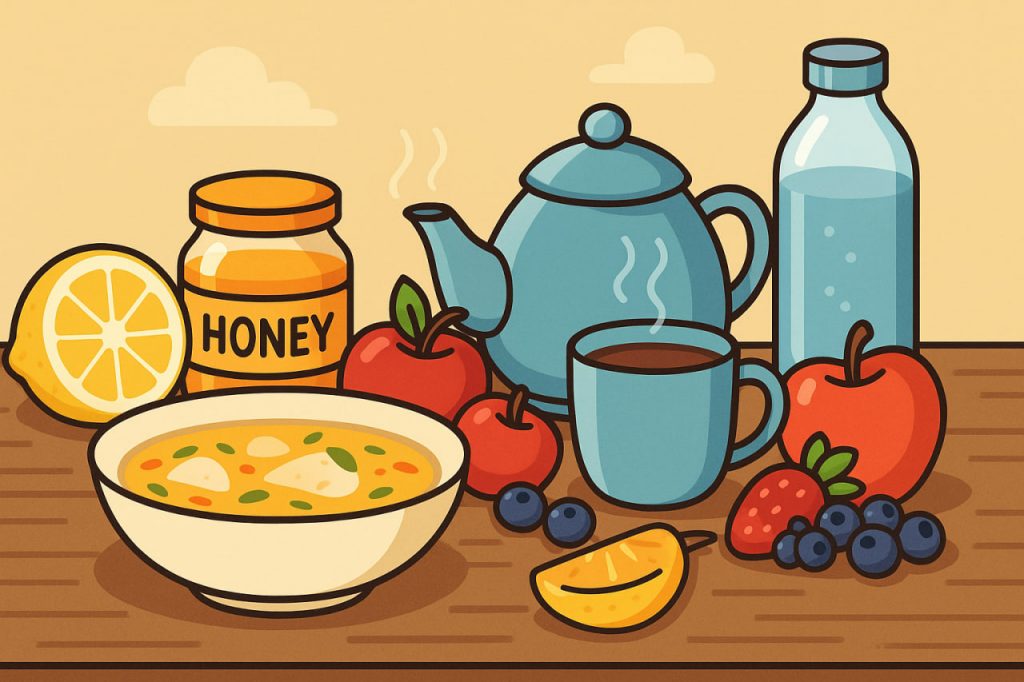
Herbal tea is not technically a true tea, as it does not come from the Camellia sinensis plant like green or black tea. Instead, it is an infusion made from…
Confectionery, the art of making sweet treats, has a rich history that spans thousands of years and many cultures. What began as natural sweets like honey and dried fruit has…
Sugar has had a profound influence on human history, health, and economics. Its discovery dates back to around 500 BCE in ancient India, where people first learned to crystallize juice…
Genetically modified organisms (GMOs) are one of the most debated topics in modern agriculture and food production. Advocates argue that GMOs offer solutions to hunger, crop diseases, and climate change,…
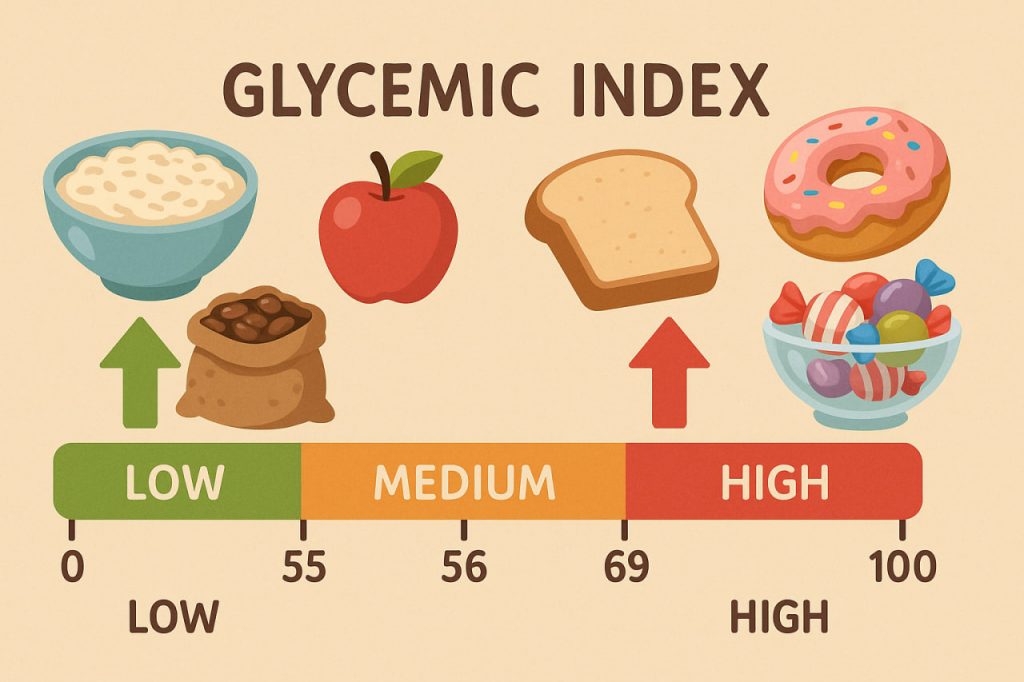
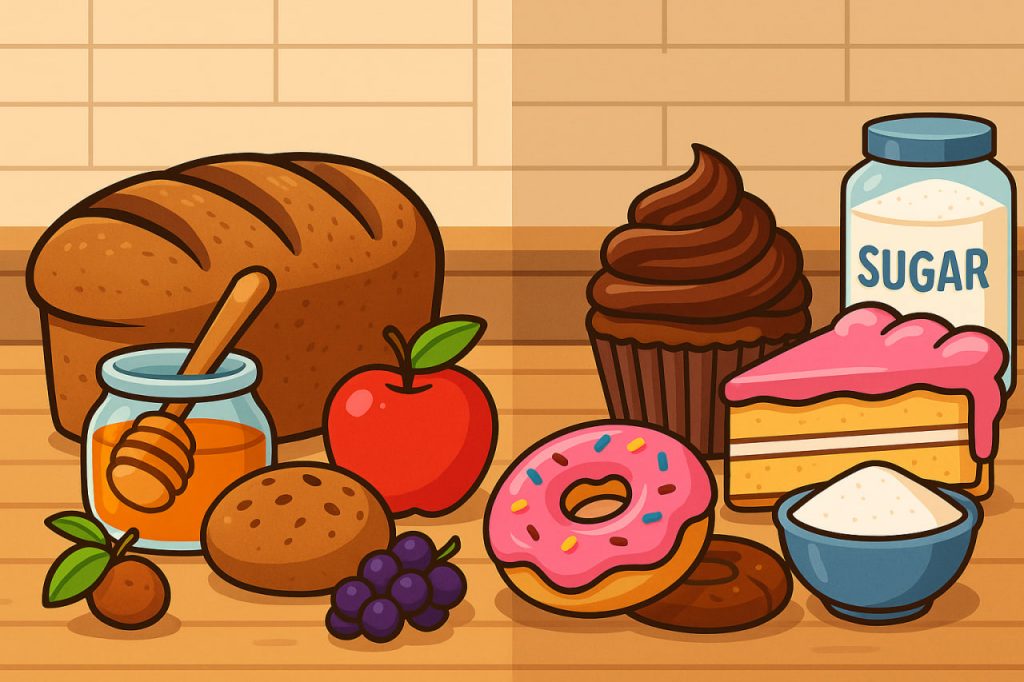
The glycemic index (GI) is a scale that ranks carbohydrate-containing foods by how quickly they raise blood glucose levels after consumption. It provides insight into how the body processes various…
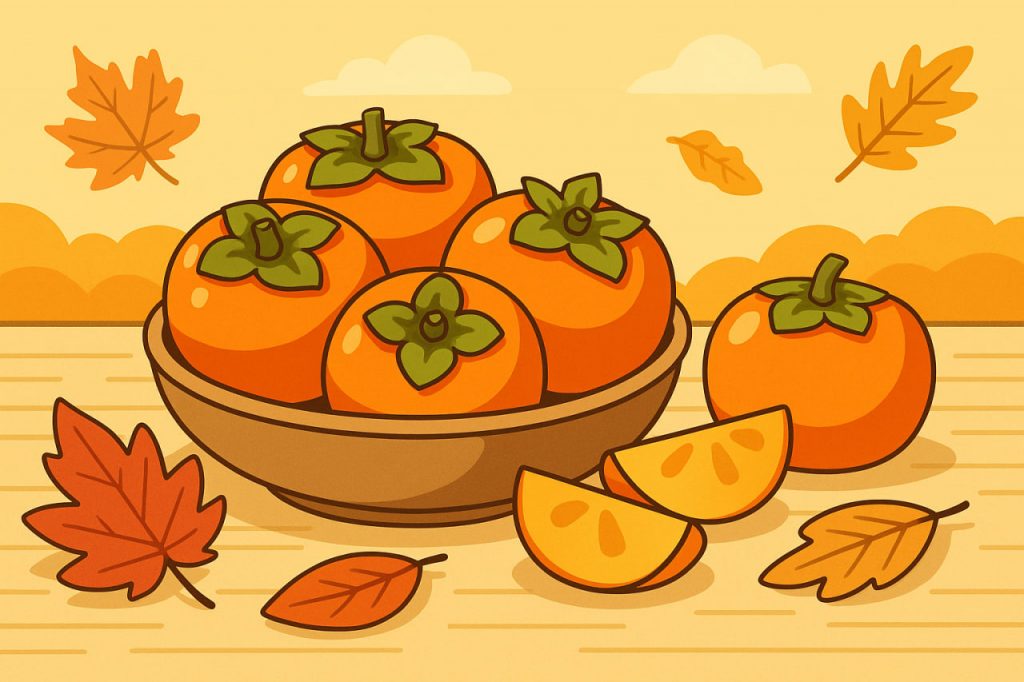
Choosing seasonal products—foods naturally harvested at specific times of the year—offers numerous benefits for human health, environmental sustainability, and food quality. Seasonal produce is often fresher, more nutrient-dense, and grown…
Inflammation is a natural immune response to injury, infection, or harmful stimuli. While acute inflammation helps the body heal, chronic inflammation is associated with a range of diseases including cardiovascular…
Eating habits begin to take shape early in life and continue to evolve based on a mix of biological, psychological, cultural, and social influences. These patterns of food choice and…
In recent years, the term superfood has become a common label on food packaging, health blogs, and diet trends. It promises powerful health benefits from certain fruits, seeds, berries, or…
In various parts of the world, from Okinawa in Japan to Sardinia in Italy, researchers have identified communities where people often live past 90 or even 100 years. These areas…