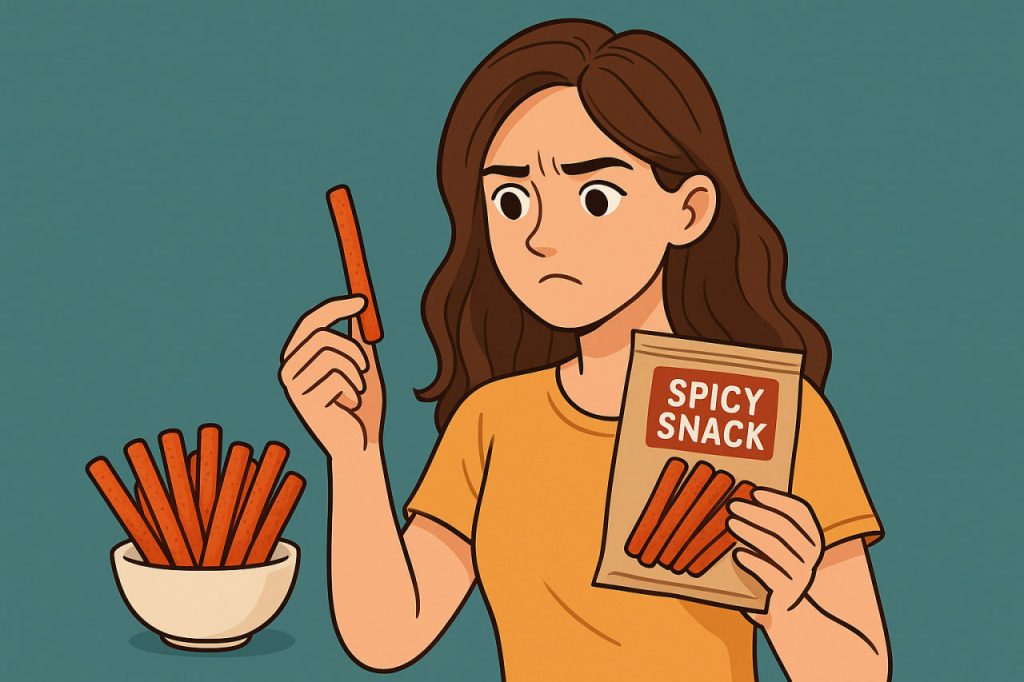
Chinese spicy soy sticks — often sold as mala soy snacks, spicy gluten sticks, or soy protein strips — have become extremely popular street-style snacks. They are convenient, flavorful, inexpensive, and widely available in both Asian supermarkets and online stores around the world. While their intense seasoning and chewy texture make them appealing, these snacks raise important health concerns due to their high levels of additives, salt, oil, and artificial flavoring. Understanding their composition and potential risks helps consumers make informed choices about whether and how often to include them in their diet.
Although soy itself can be a nutritious ingredient rich in protein and plant-based compounds, the processing involved in making spicy soy sticks significantly alters their health value. These snacks often undergo deep-seasoning, high-temperature cooking, repeated frying, and heavy preservation. This transforms a simple soy product into something that is far less healthy than it appears.
What Spicy Soy Sticks Are Made Of
Most Chinese spicy soy sticks contain:
- processed soy protein or wheat gluten
- refined vegetable oils (often soybean or palm oil)
- large amounts of salt
- sugar and starches
- MSG and flavor enhancers
- artificial chili oils and spices
- preservatives to extend shelf life
- coloring agents to intensify appearance
This highly processed combination means the snack is far from natural soy. According to food processing expert Dr. Hannah Levine:
“Spicy soy snacks are treated more like industrial products than food —
their ingredients and preparation remove most nutritional benefits.”
This highlights why these snacks should be consumed cautiously.
Why These Snacks Can Be Harmful
While occasional consumption is not dangerous for most people, frequent intake may pose the following risks:
1. Extremely High Sodium Levels
Many brands contain 1,000–1,800 mg of sodium per serving, exceeding recommended daily limits. High salt intake contributes to:
- hypertension
- fluid retention
- increased cardiovascular strain
This is particularly concerning for individuals with heart or kidney conditions.
2. High Fat Content and Low-Quality Oils
Deep-fried versions contain large amounts of unhealthy fats. Reused or low-grade oils may contain compounds linked to inflammation when consumed in excess.
3. Additives and Flavor Enhancers
MSG and other umami chemicals are safe in moderation, but some people may be sensitive to:
- headaches
- dizziness
- stomach discomfort
Artificial colors and preservatives can also irritate sensitive individuals.
4. Highly Processed Ingredients
The more a food is processed, the fewer natural nutrients remain. Processed soy snacks lack the fiber, vitamins, and beneficial compounds found in whole soybeans or tofu.
5. Risk of Overeating
Their spicy-salty flavor profile triggers strong cravings, making it easy to consume too much unknowingly.
Who Should Be Especially Careful
These snacks may be particularly problematic for:
- people with high blood pressure
- those following low-salt diets
- individuals with gastritis or acid reflux
- those sensitive to artificial additives
- children, whose bodies react more strongly to excess salt
It is always best to consult a qualified health specialist if someone has chronic health conditions.
Are There Healthier Alternatives?
Yes. Better options include:
- baked soy crisps
- roasted soybeans
- minimally processed tofu-based snacks
- seaweed sheets
- nuts with natural seasoning
These choices provide flavor without excessive additives or unhealthy fats.
Can Spicy Soy Sticks Be Eaten Safely?
Yes — in moderation. Occasional consumption is unlikely to cause harm in healthy individuals, but they should not be eaten daily or in large amounts. Pairing them with water, fresh vegetables, or high-fiber foods helps reduce negative effects.
P.S. I think it’s much better to take regular chickpeas or soybeans and cook them properly at home. This way, you can enjoy delicious and healthy food without worrying about harmful additives in processed foods.
Interesting Facts
- Some brands of spicy soy sticks contain more salt than a bowl of instant noodles.
- Despite being marketed as “soy,” many versions contain more wheat gluten than soy protein.
- The bright red color often comes from artificial dyes, not natural chili.
- Their addictive taste is engineered through layered flavor chemistry.
- In China, they are considered a school snack, but health officials recommend strict limits for children.
Glossary
- Gluten — a protein found in wheat; often used to create chewy textures in processed snacks.
- MSG (Monosodium Glutamate) — a flavor enhancer that intensifies savory taste.
- Preservatives — chemicals added to prolong shelf life and prevent spoilage.
- Refined Oils — heavily processed oils often used for frying and mass production.
- Sodium — an essential mineral that becomes harmful in excess amounts.