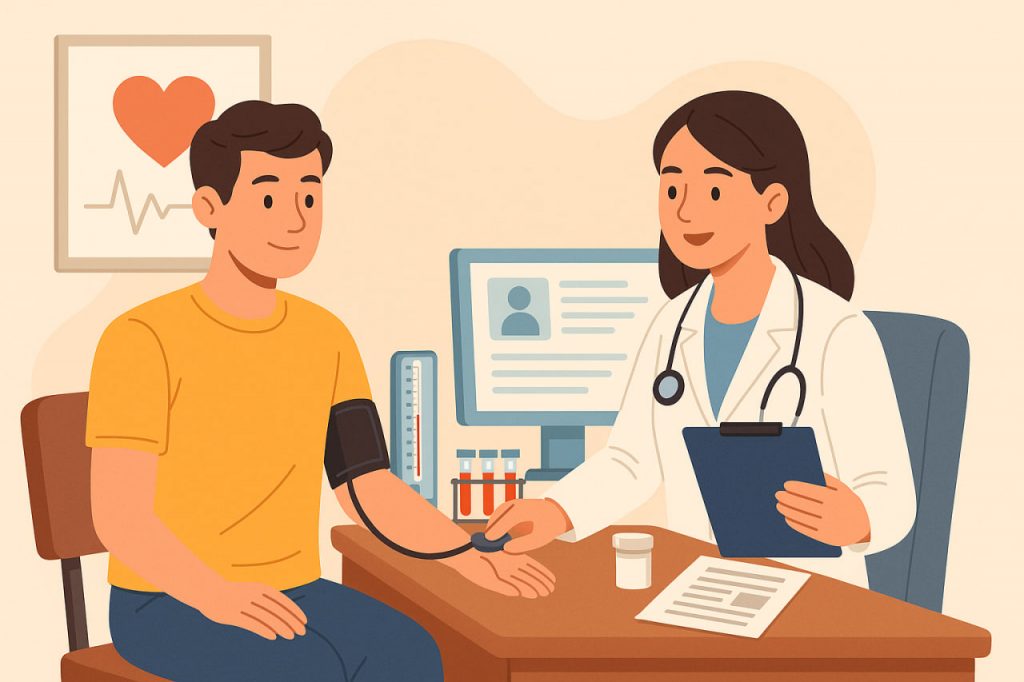
Regular medical check-ups are an important part of preventive healthcare. They allow doctors to detect potential health problems early, before symptoms become serious. While many people visit doctors only when…
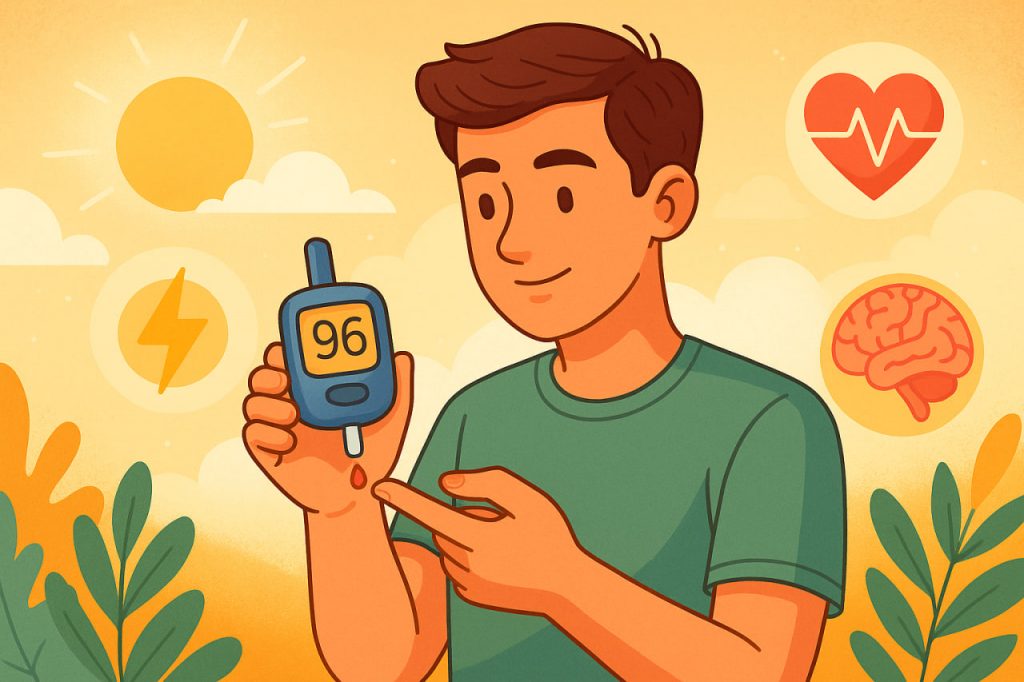
Glucose is the main source of energy for the body’s cells, especially the brain and muscles. Its level in the blood is regulated by hormones such as insulin and glucagon.…
Walking is one of the simplest and most accessible forms of physical activity, yet its benefits go far beyond strengthening muscles and improving cardiovascular health. Scientific studies show that walking…
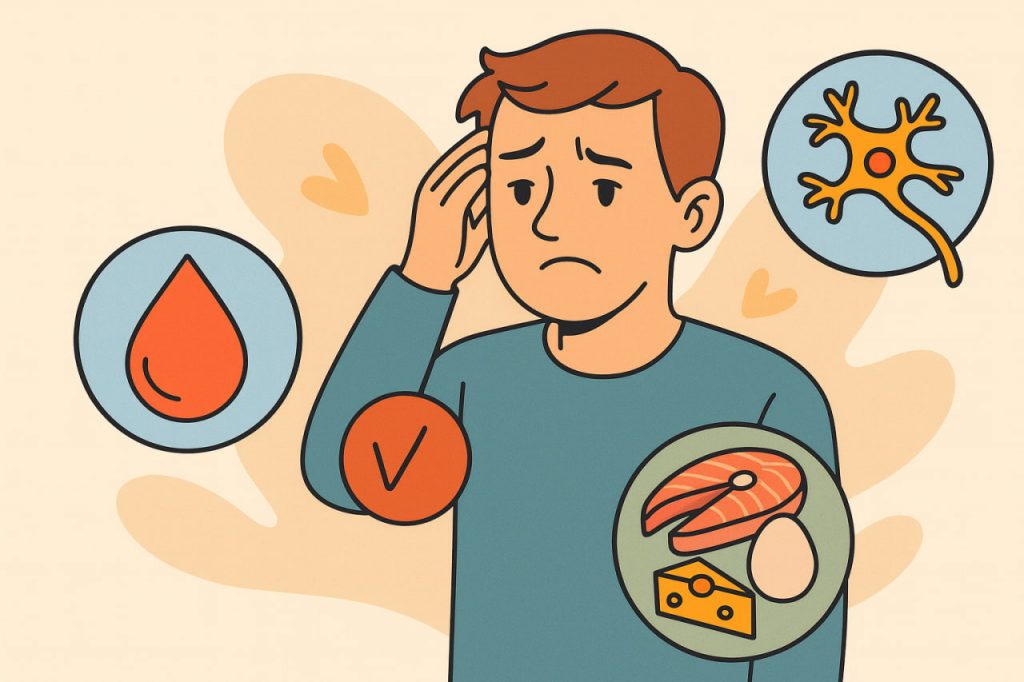
Vitamin B12 (cobalamin) is an essential nutrient that plays a key role in blood formation, nerve function, and DNA synthesis. Since the body cannot produce it on its own, vitamin…
In today’s fast-paced world, many people face constant stress from work, responsibilities, and daily challenges. While some stress is natural, chronic tension can harm both physical and mental health. Learning…
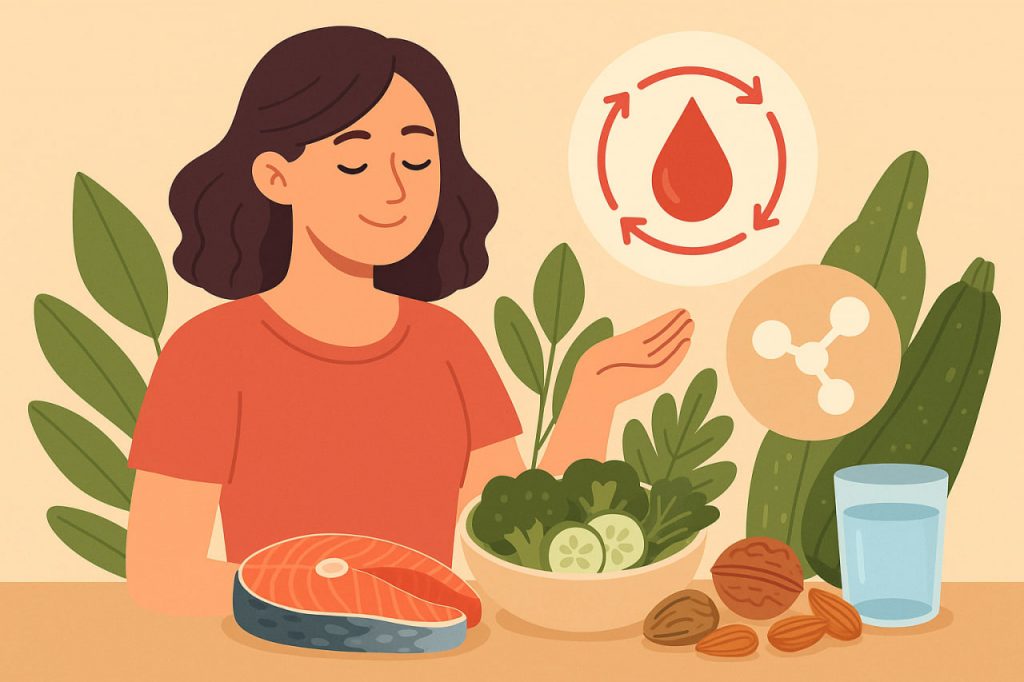
The menstrual cycle is a complex process regulated by hormones, and nutrition plays a key role in supporting its balance. What a woman eats influences hormone production, energy levels, and…
Physical activity is important at every stage of life, but it becomes especially valuable in older age. For seniors, regular exercise is one of the best ways to maintain independence,…
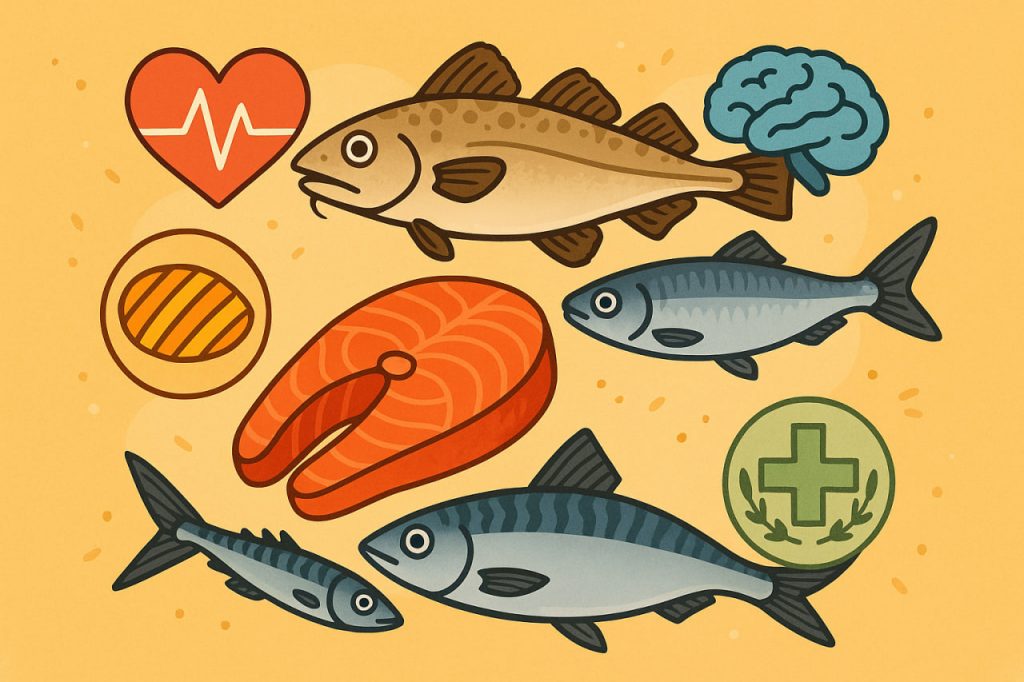
Fish have been a vital food source for humans for thousands of years, providing essential nutrients and playing a key role in healthy diets worldwide. With thousands of species found…
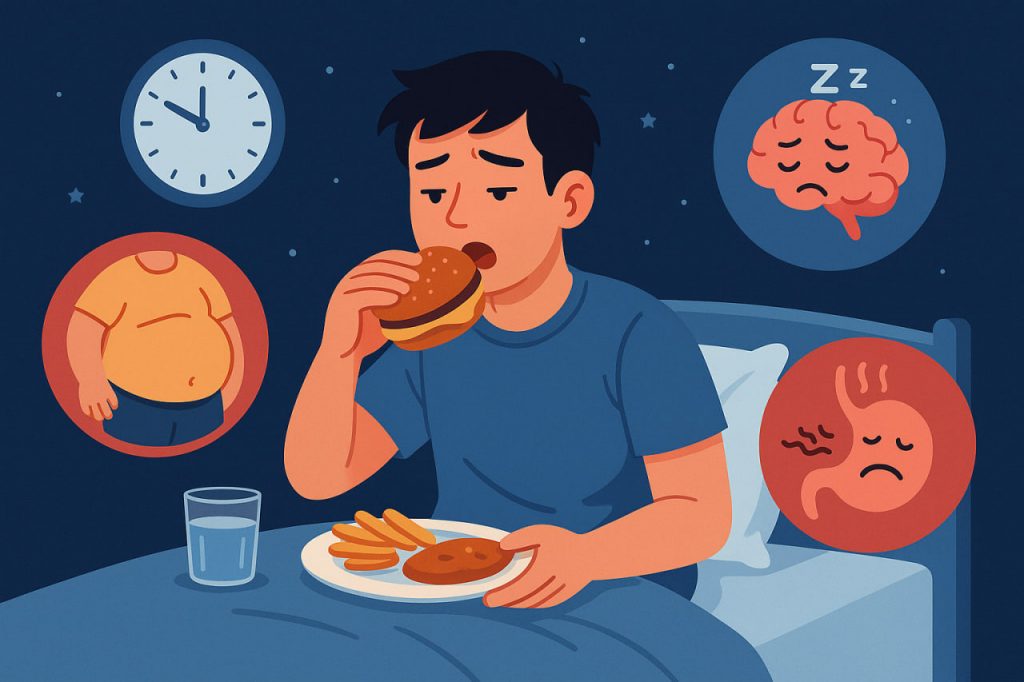
Eating is essential for energy and health, but the timing of meals also plays a critical role in how the body processes food. Having dinner or snacks late at night,…
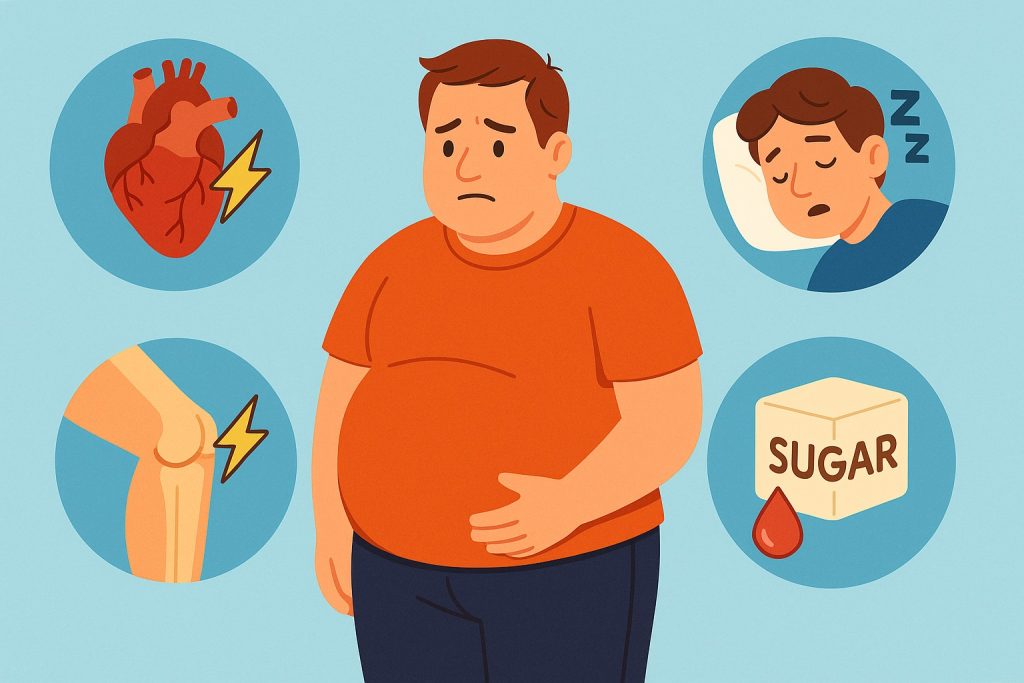
Excess weight, especially when it reaches the level of obesity, is more than a cosmetic concern—it is a significant health issue that affects nearly every system in the body. Carrying…