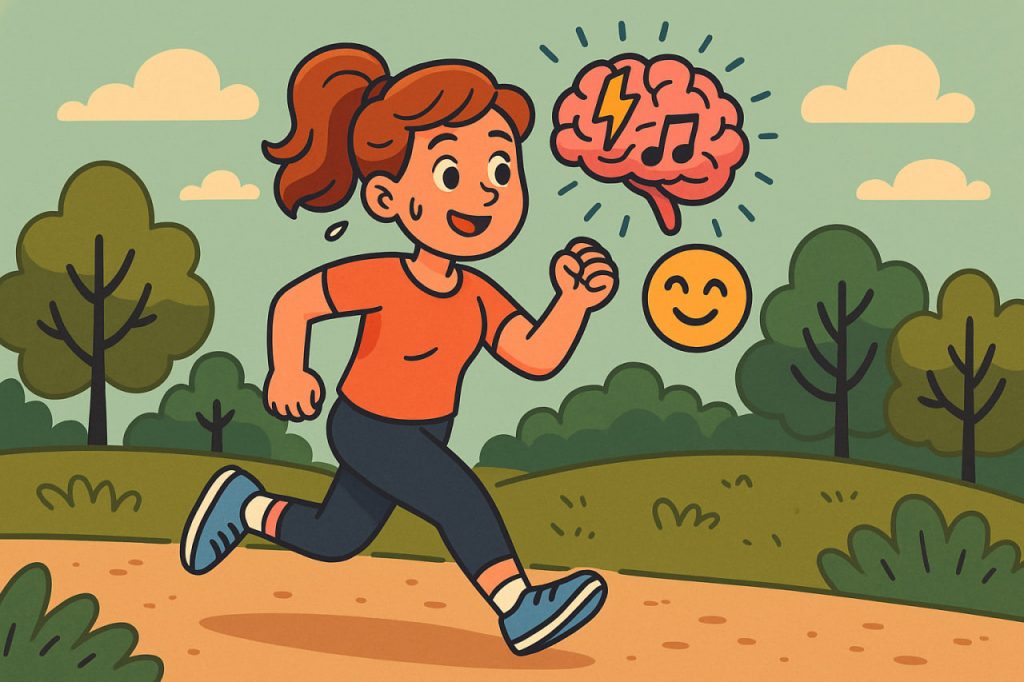
Physical activity benefits not only the body but also the brain. When we exercise, our nervous system, hormones, and blood flow change in ways that directly affect mood, memory, and…
When exposed to cold temperatures, the human body activates several defense mechanisms to maintain its core temperature around 36.5–37.5°C. These reactions are controlled by the hypothalamus, the part of the…
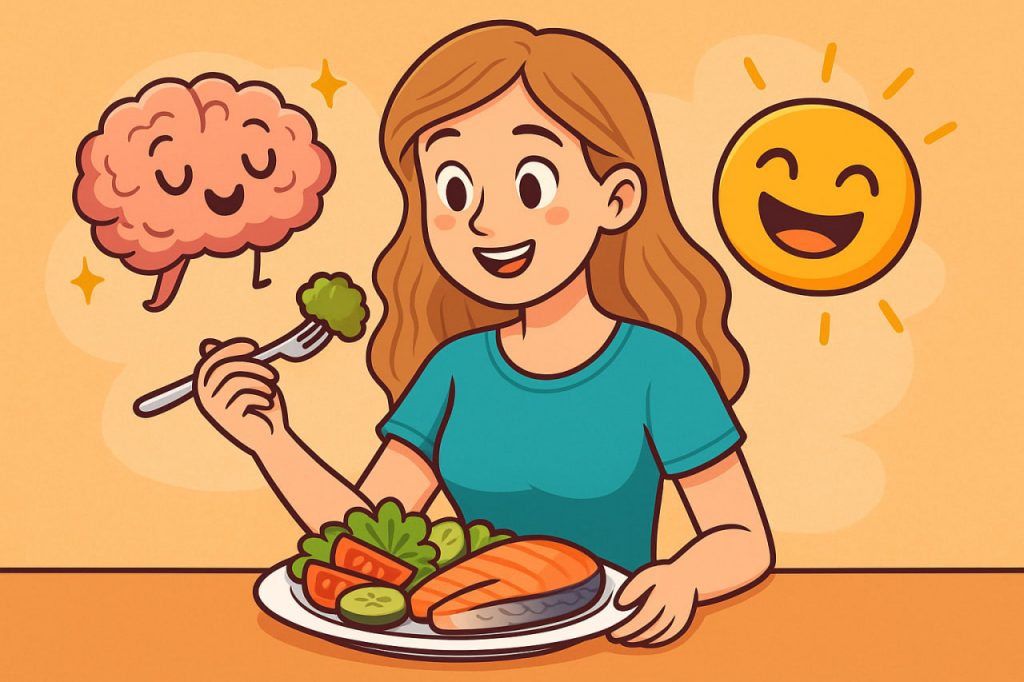
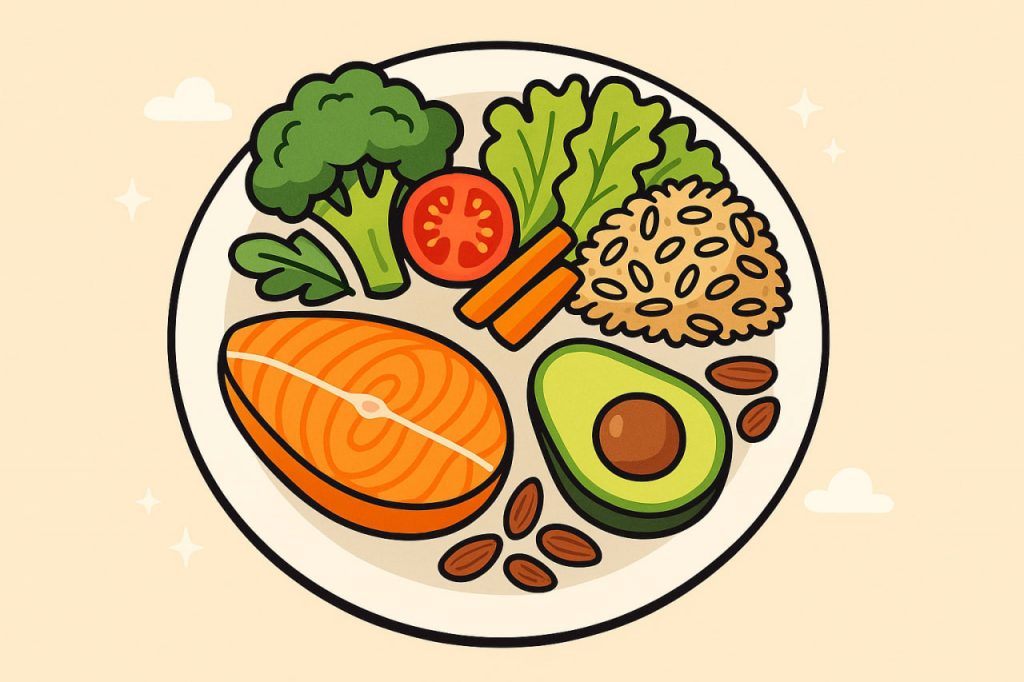
The food we eat influences not only physical health but also emotional well-being. Scientists have discovered strong links between diet and mood through the way nutrients affect brain chemistry, hormones,…
Cholesterol is a fatty, wax-like substance that is naturally produced in the liver and also obtained from certain foods. Despite its negative reputation, cholesterol plays essential roles in the human…
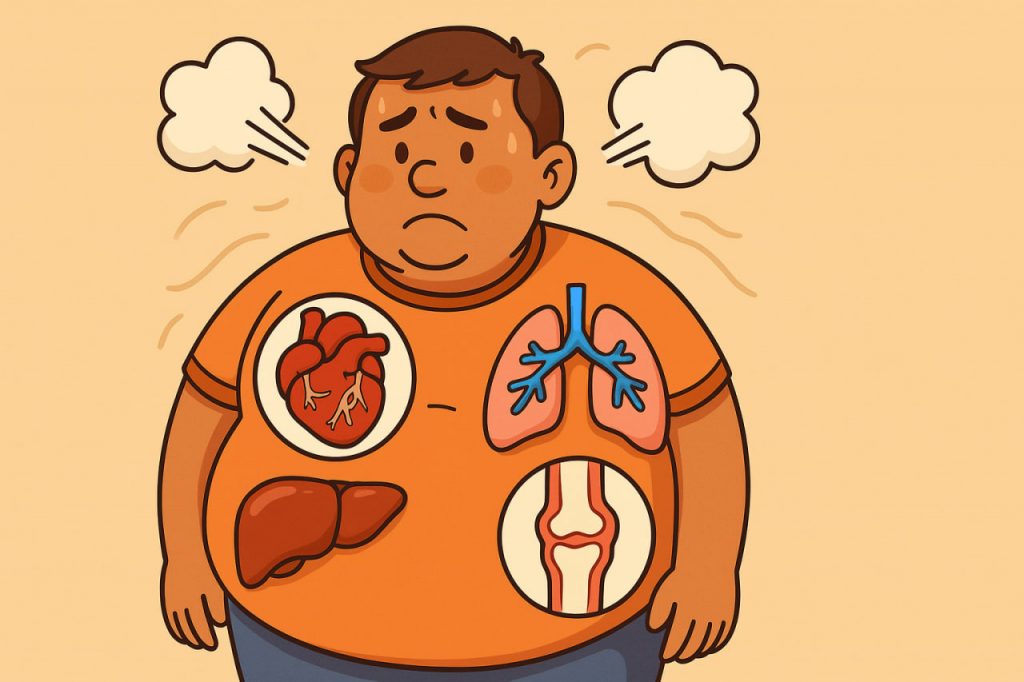
Obesity is a condition where excessive body fat accumulates to the point that it negatively affects health. It develops when energy intake (food and drink) regularly exceeds energy expenditure (physical…
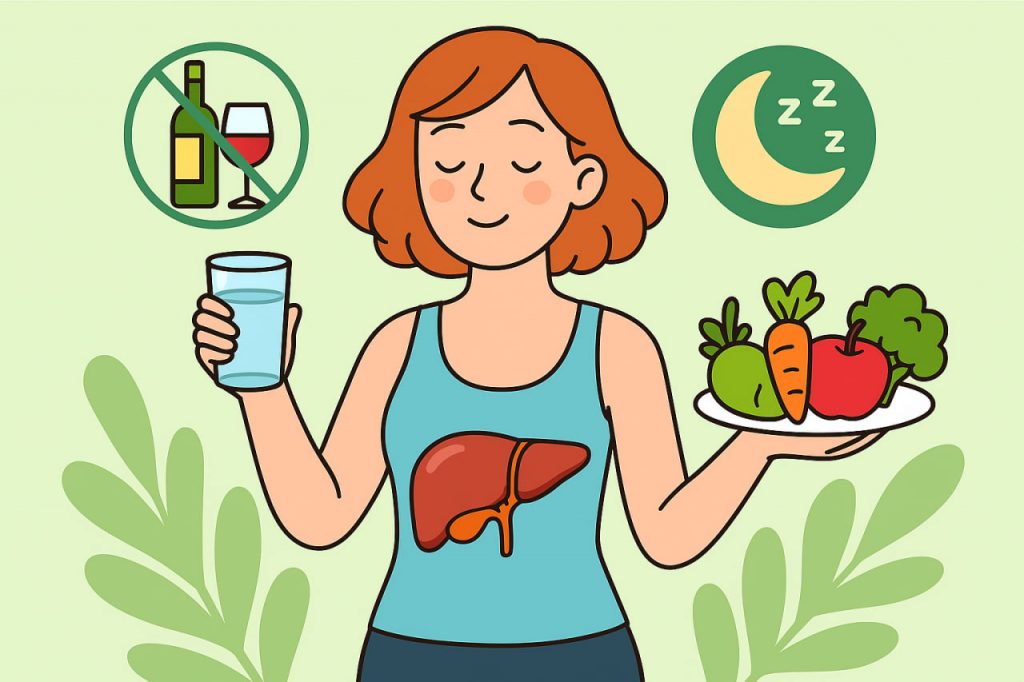
The liver is one of the most vital organs in the human body. It performs more than 500 different functions, making it essential for survival. From filtering toxins to producing…
A balanced diet is the foundation of good health, but this doesn’t mean you need to follow strict or restrictive diets. Instead of eliminating foods, the goal is to combine…
A pulse is the rhythmic beating of the arteries caused by the heart pumping blood through the body. Measuring pulse is one of the simplest and most effective ways to…
Donating plasma is just as important as donating blood, as it helps treat patients with immune deficiencies, clotting disorders, and other serious conditions. However, plasma donation involves a different process…
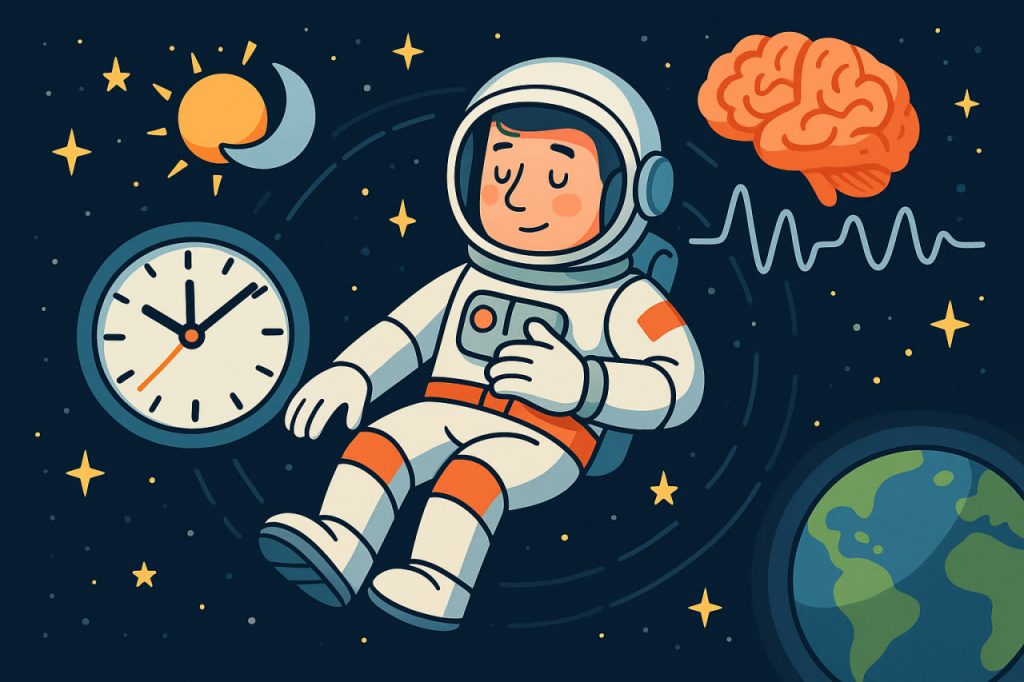
Human beings are adapted to life on Earth, where biological rhythms are synchronized with the 24-hour day-night cycle. These rhythms, known as circadian rhythms, regulate sleep, hormone production, metabolism, and…