Leukocytes, also known as white blood cells (WBCs), are a crucial part of the human immune system. Unlike red blood cells, which carry oxygen, leukocytes defend the body against infections,…
Platelets, also known as thrombocytes, are small, disk-shaped cell fragments in the blood that play a key role in blood clotting and wound healing. Although they are not full cells…
Blood is one of the most vital fluids in the human body, making up about 7–8% of body weight. It flows through an intricate network of blood vessels, delivering oxygen…
The circulatory system is one of the body’s most vital networks, ensuring that every organ and cell receives oxygen, nutrients, and protection. At the core of this system are the…
The difference in breast size between women and men is one of the most distinct physical traits of human biology. While both sexes are born with breast tissue and mammary…
The stomach is a muscular organ located in the upper abdomen that plays a key role in digestion. Its size is flexible, allowing it to expand and contract depending on…
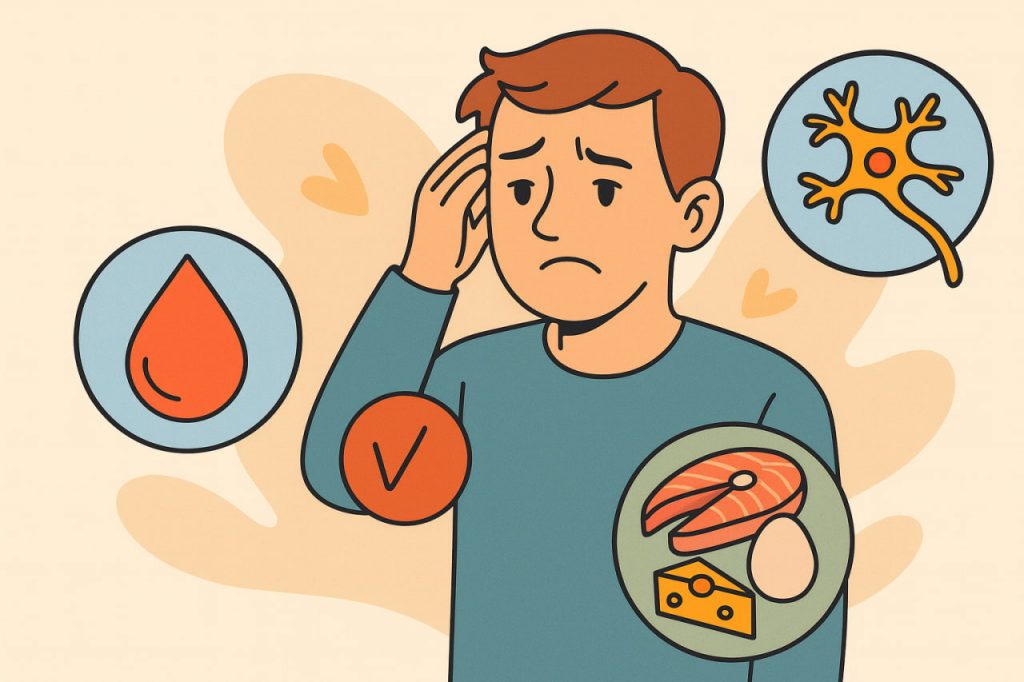
Vitamin B12 (cobalamin) is an essential nutrient that plays a key role in blood formation, nerve function, and DNA synthesis. Since the body cannot produce it on its own, vitamin…
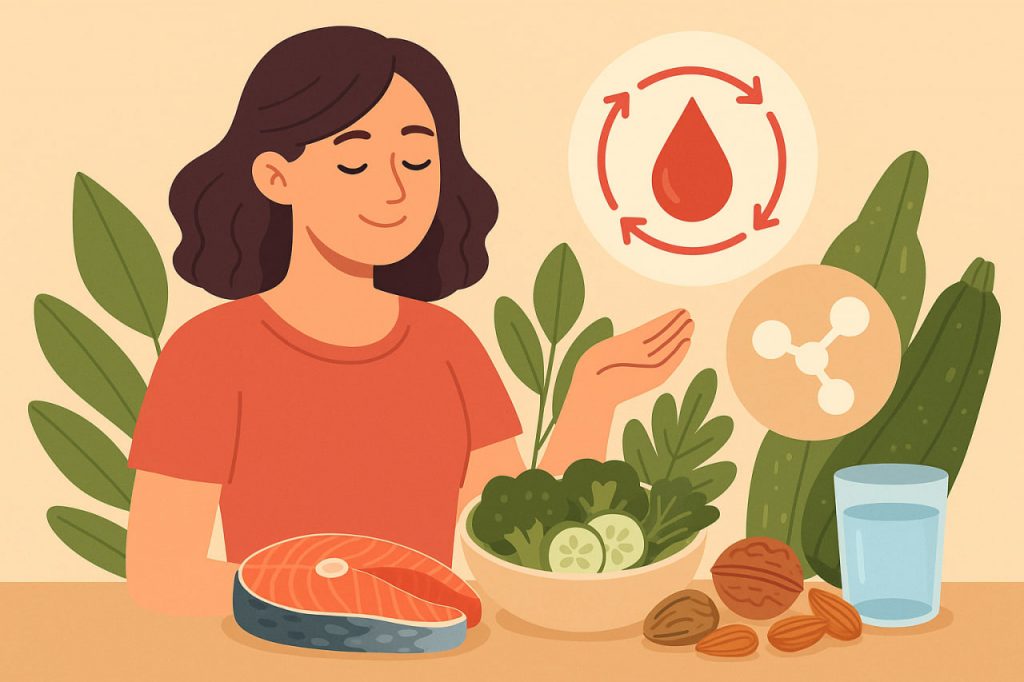
The menstrual cycle is a complex process regulated by hormones, and nutrition plays a key role in supporting its balance. What a woman eats influences hormone production, energy levels, and…
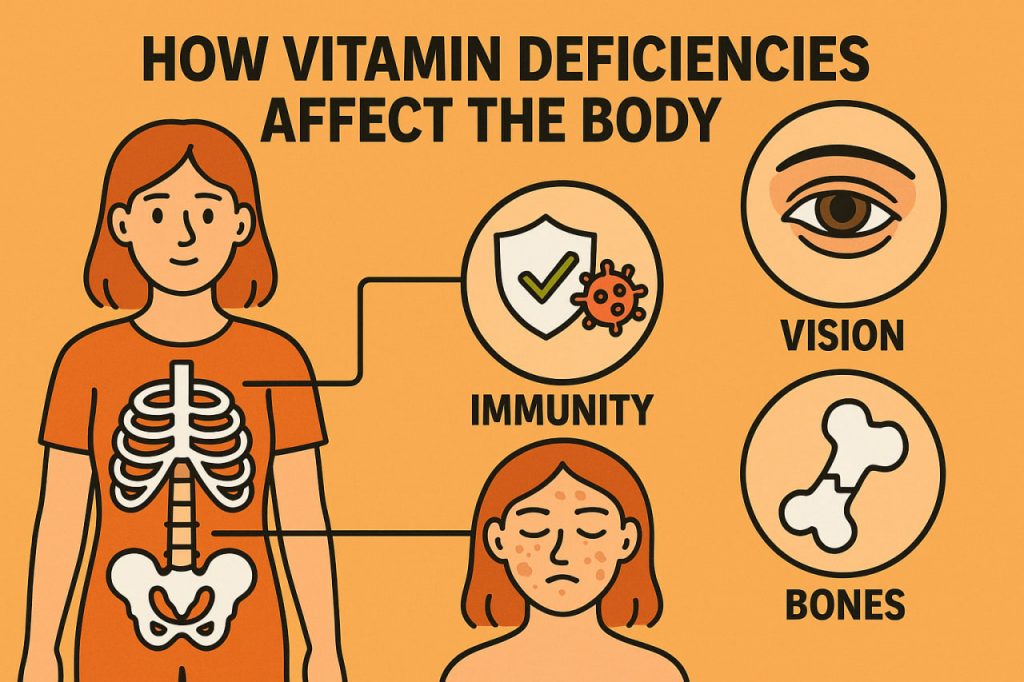
Vitamins are essential nutrients that the body needs in small amounts to function properly. They regulate metabolism, support growth and repair, and strengthen the immune system. Unlike macronutrients such as…
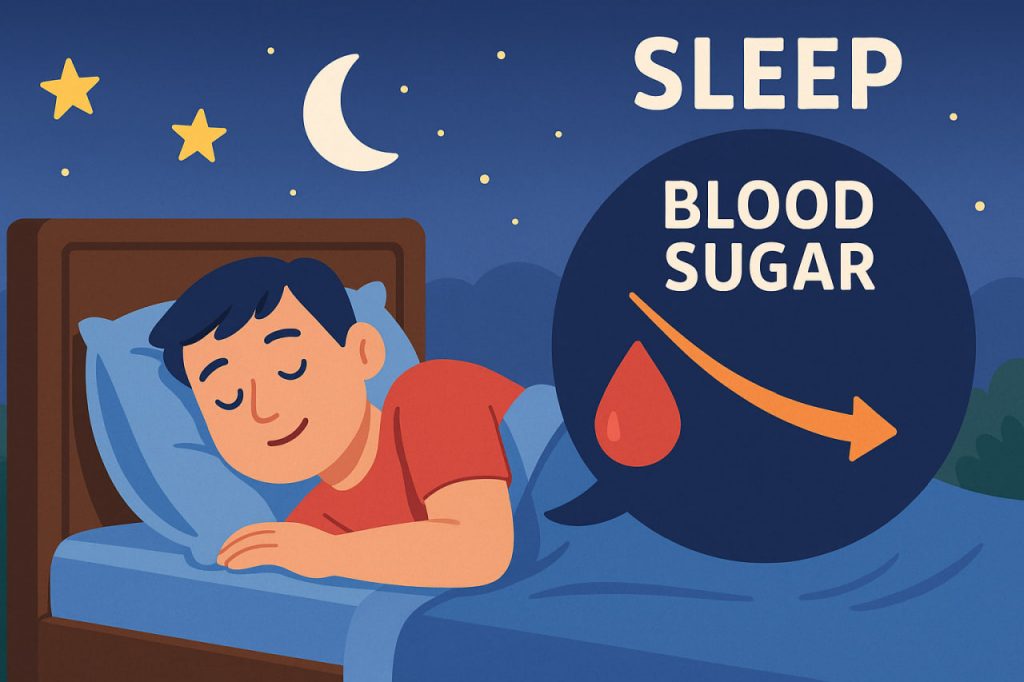
Sleep is a fundamental biological process that influences nearly every system in the human body, including metabolism and blood sugar regulation. In recent years, scientists have discovered strong connections between…