Coffee is one of the most widely consumed beverages in the world, enjoyed for its rich flavor and stimulating effects. Research over the past decades has shown that coffee not…
Functional nutrition is an approach to eating that goes beyond simply providing the body with calories and basic nutrients. It focuses on foods that offer specific health benefits, aiming to…
The off-season—the transition periods between summer and winter—often brings fluctuating temperatures, increased humidity changes, and unstable weather. These conditions can weaken the immune system and create an ideal environment for…
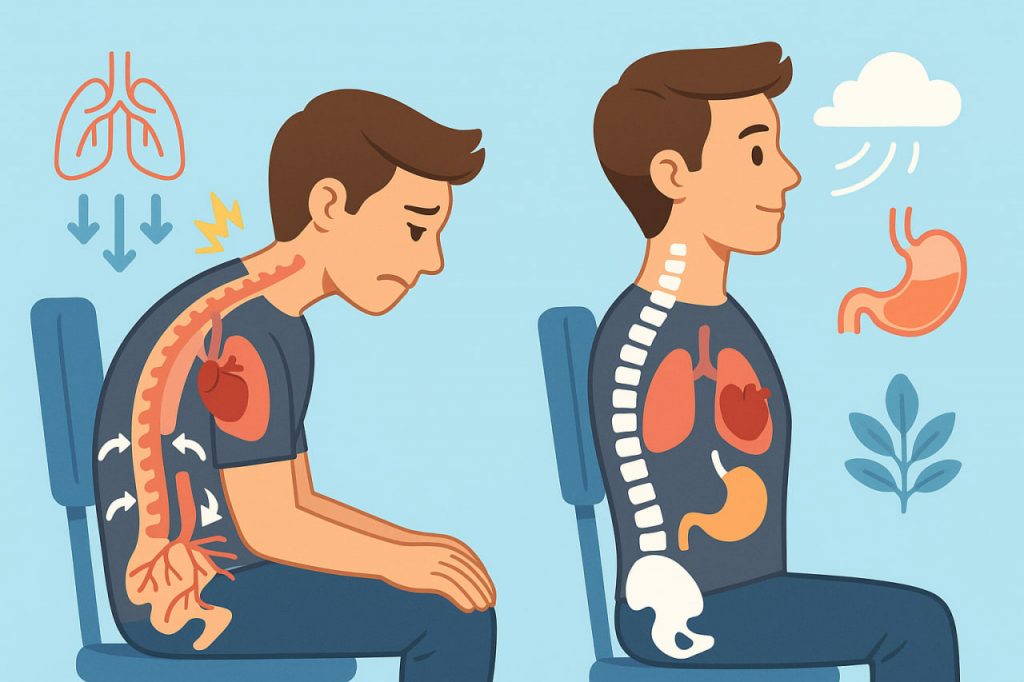
Posture is more than just a matter of appearance—it's a critical component of physical health. Poor posture, often caused by slouching, forward head tilt, or uneven sitting and standing habits,…
Breathing practices have been used for centuries in traditional medicine, spiritual rituals, and now increasingly in modern health approaches. Unlike automatic breathing, conscious breathing exercises engage both the body and…
Stress is a natural response of the body to challenging or threatening situations. While short-term stress can be helpful in motivating action, chronic stress has negative effects on both physical…
Sleep is a vital biological process that affects nearly every aspect of physical and mental health. Adequate, high-quality sleep supports immune function, emotional regulation, cognitive performance, and metabolism. Despite its…
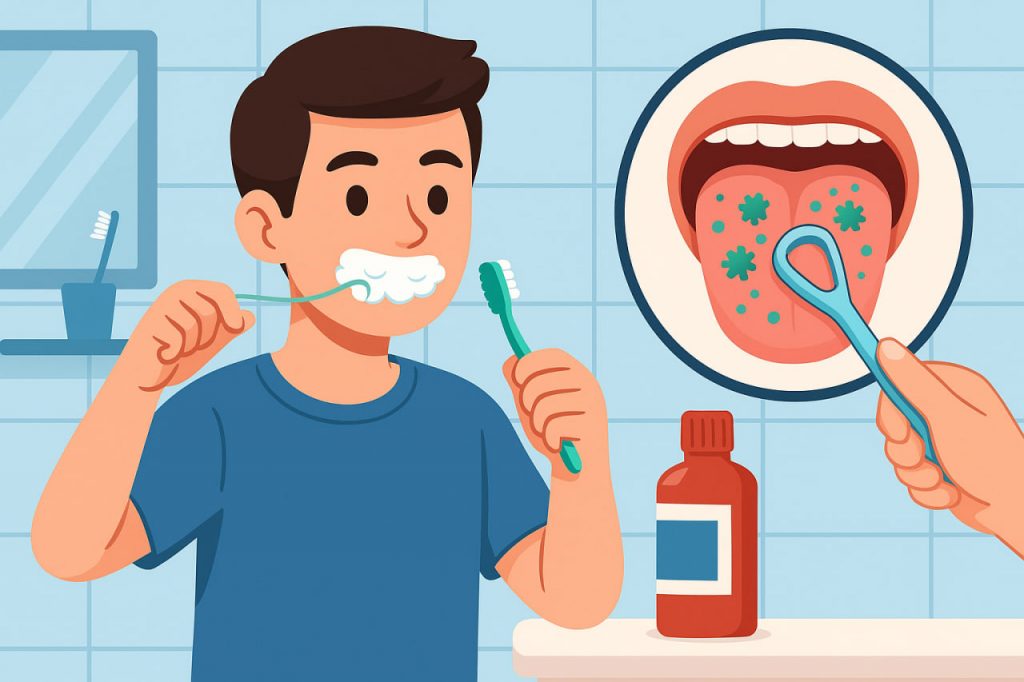
Maintaining oral hygiene is essential for preventing dental disease and supporting overall health. The mouth is a complex ecosystem where bacteria, saliva, and food residues interact constantly. Without regular and…
While most people associate oral hygiene with brushing teeth and flossing, the tongue plays a critical role in overall mouth health. The surface of the tongue has a textured structure…
Aging is a natural biological process characterized by gradual declines in cellular function, muscle mass, metabolic efficiency, and cognitive ability. While it cannot be stopped entirely, scientific evidence shows that…