The idea of food compatibility refers to how different types of foods are digested and absorbed together. While the human digestive system is adaptable and can handle a wide variety…
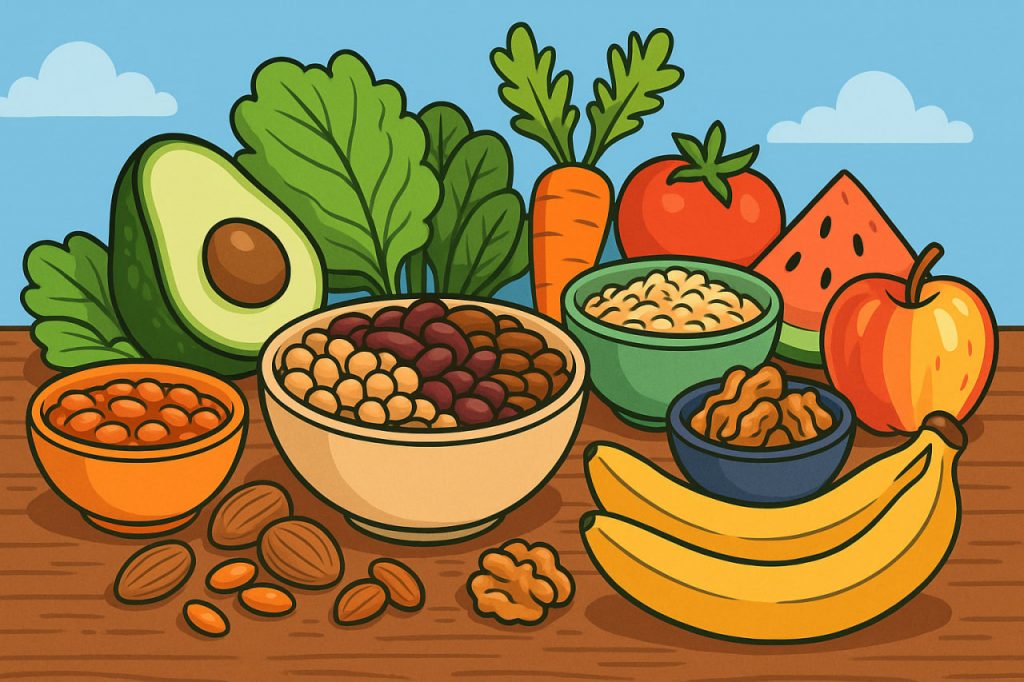
A growing number of people are choosing to give up animal products, either for ethical, environmental, or health reasons. The question many ask is: can a fully plant-based diet be…
Many people believe that healthy eating always requires a lot of money, but this is not entirely true. With proper planning and smart choices, it is possible to build a…
Honey is not always golden or amber. In fact, its color can range from almost transparent to very dark brown, depending on several natural factors. The variation in honey color…
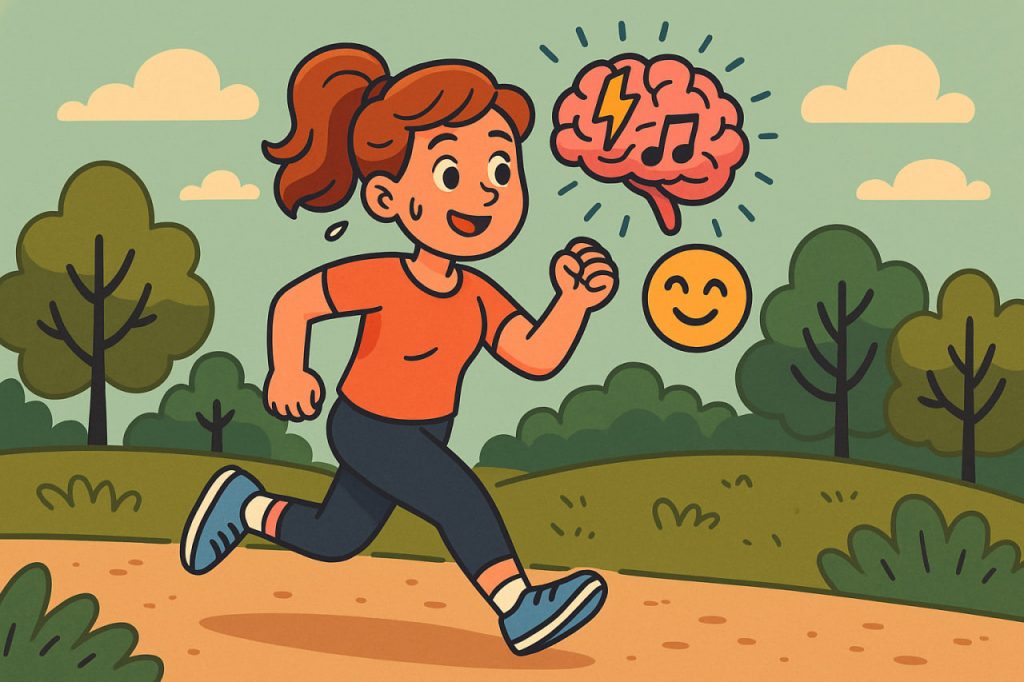
Physical activity benefits not only the body but also the brain. When we exercise, our nervous system, hormones, and blood flow change in ways that directly affect mood, memory, and…
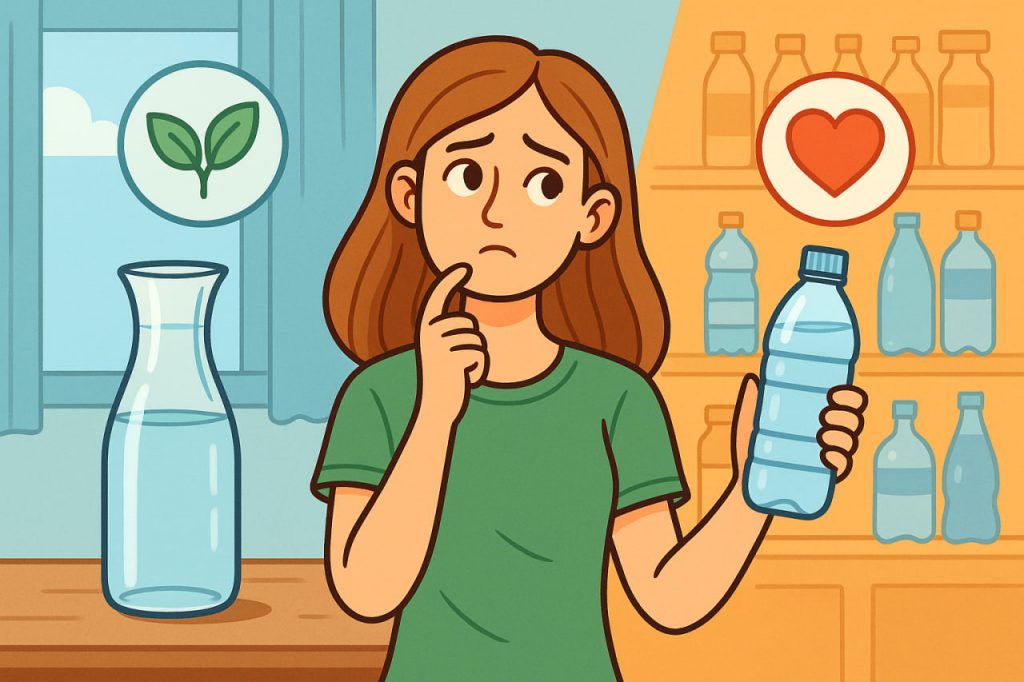
Clean drinking water is essential for health, but many people wonder whether filtered water or bottled water is the better choice. Both options have advantages and disadvantages, depending on quality,…
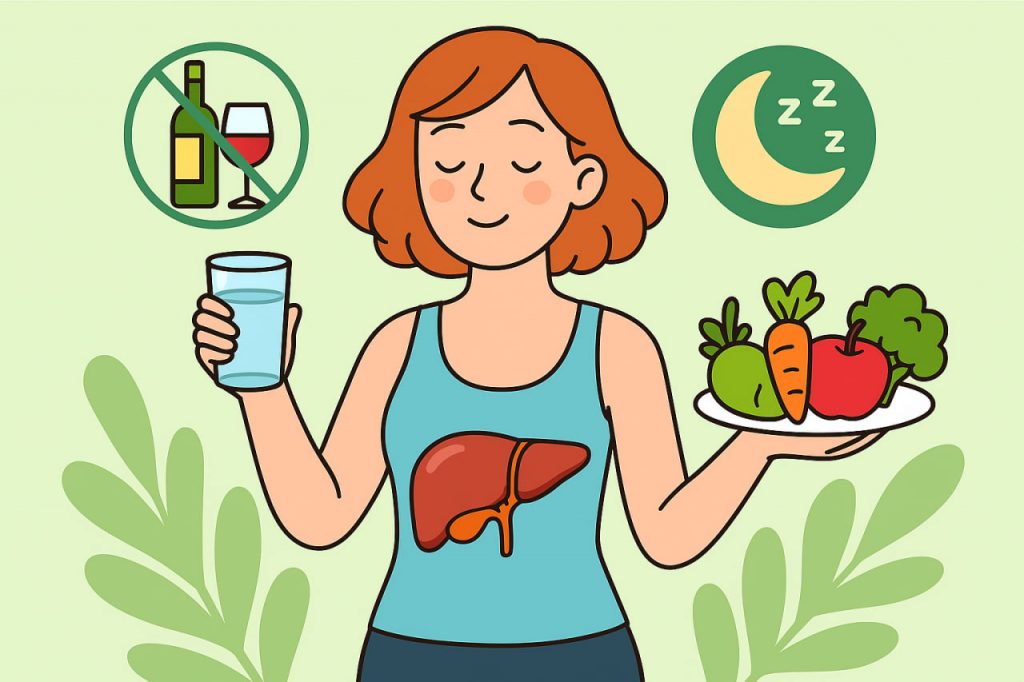
The liver is one of the most vital organs in the human body. It performs more than 500 different functions, making it essential for survival. From filtering toxins to producing…
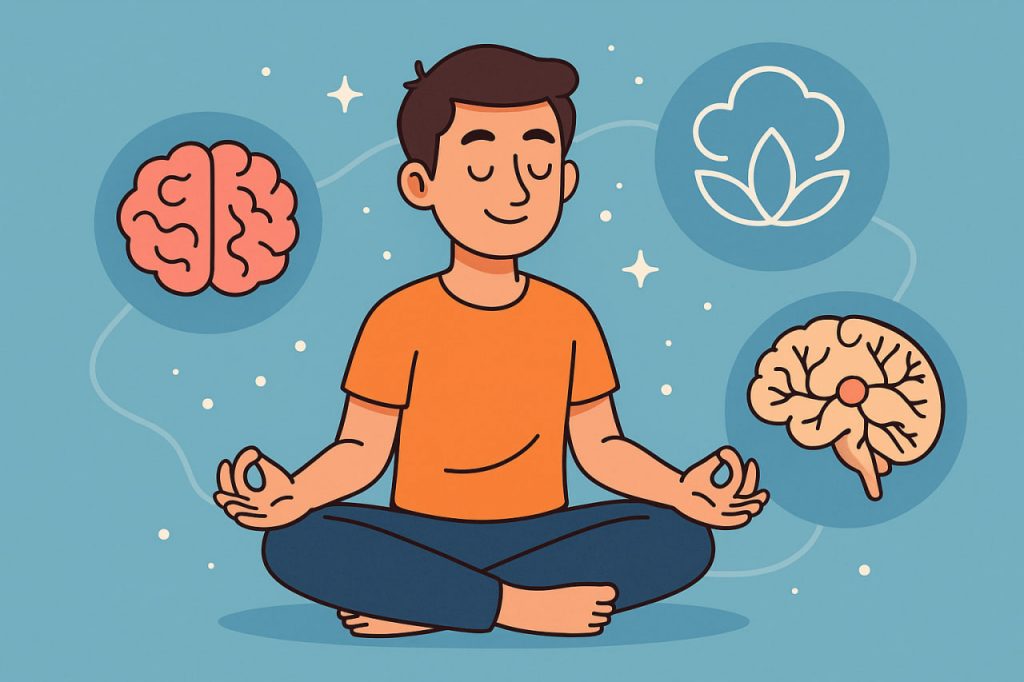
Meditation is more than just a relaxation practice—it has measurable effects on the brain. Scientific studies using brain imaging techniques show that meditation can reshape brain structures, improve cognitive functions,…
Iron is an essential mineral that supports oxygen transport, energy production, and immune function. Keeping iron levels balanced is important, as both deficiency and excess can harm health. The key…
Stretching and improving flexibility are essential parts of a healthy lifestyle, yet they are often overlooked compared to strength or endurance training. Flexibility supports mobility, posture, and overall physical well-being,…