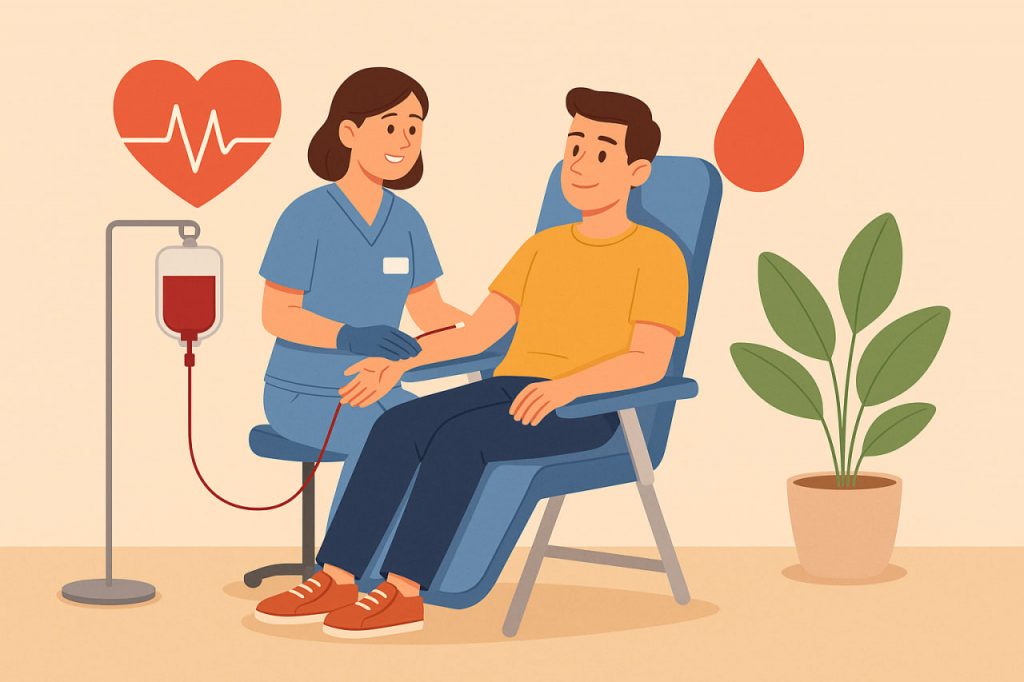
Donating blood is a simple yet powerful act that saves lives. Every year, millions of people around the world require blood transfusions due to surgery, trauma, childbirth complications, or medical…
Eastern sweets are famous worldwide for their unique flavors, rich traditions, and cultural symbolism. Originating from regions such as the Middle East, Central Asia, Turkey, Persia, and India, these desserts…
Food preparation techniques have a direct impact on the taste, texture, and even nutritional value of a dish. One of the most common culinary practices is chopping or cutting foods…
Microplastics are tiny plastic particles smaller than 5 millimeters, while nanoplastics are even smaller, less than 1 micrometer. These particles are found in the air, water, food, and even inside…
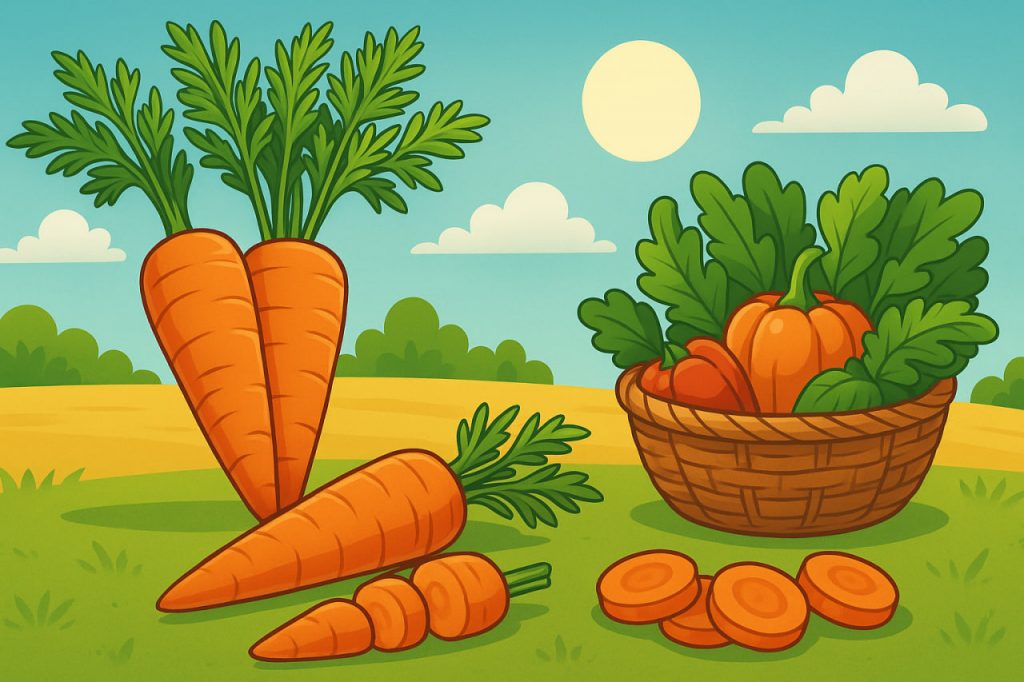
Carrot (Daucus carota subsp. sativus) is one of the most popular and widely consumed root vegetables in the world. Recognized for its bright orange color, sweet flavor, and crunchy texture,…
The way we distribute meals throughout the day affects not only energy levels but also digestion, metabolism, and overall health. Eating at the right times helps maintain stable blood sugar,…
The stomach is a muscular organ located in the upper abdomen that plays a key role in digestion. Its size is flexible, allowing it to expand and contract depending on…
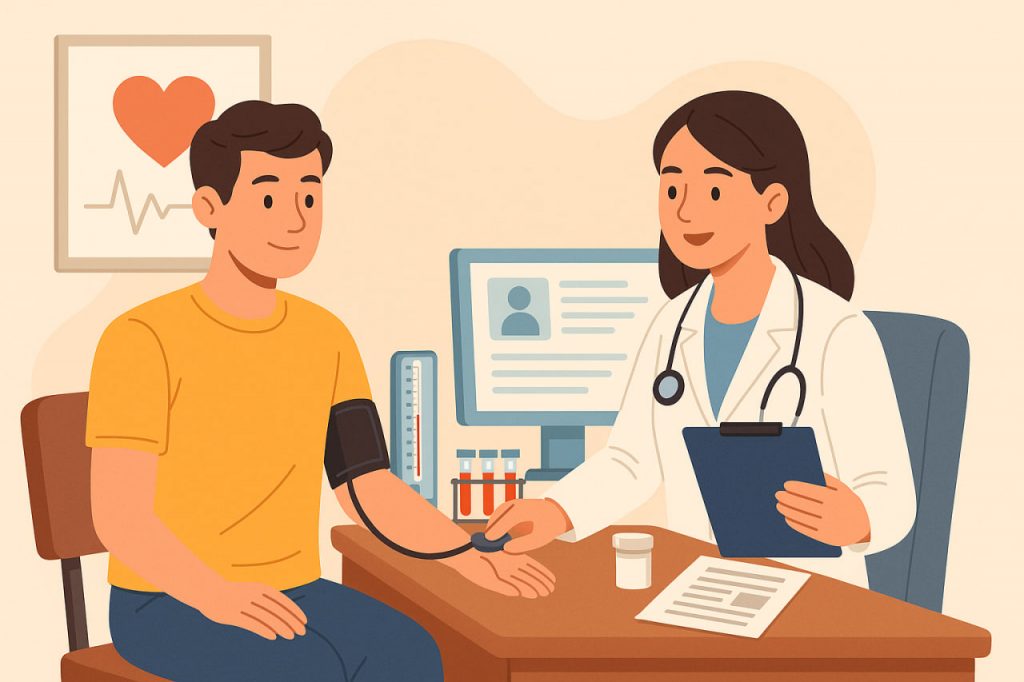
Regular medical check-ups are an important part of preventive healthcare. They allow doctors to detect potential health problems early, before symptoms become serious. While many people visit doctors only when…
Glucose is the main source of energy for the body’s cells, especially the brain and muscles. Its level in the blood is regulated by hormones such as insulin and glucagon.…
Walking is one of the simplest and most accessible forms of physical activity, yet its benefits go far beyond strengthening muscles and improving cardiovascular health. Scientific studies show that walking…