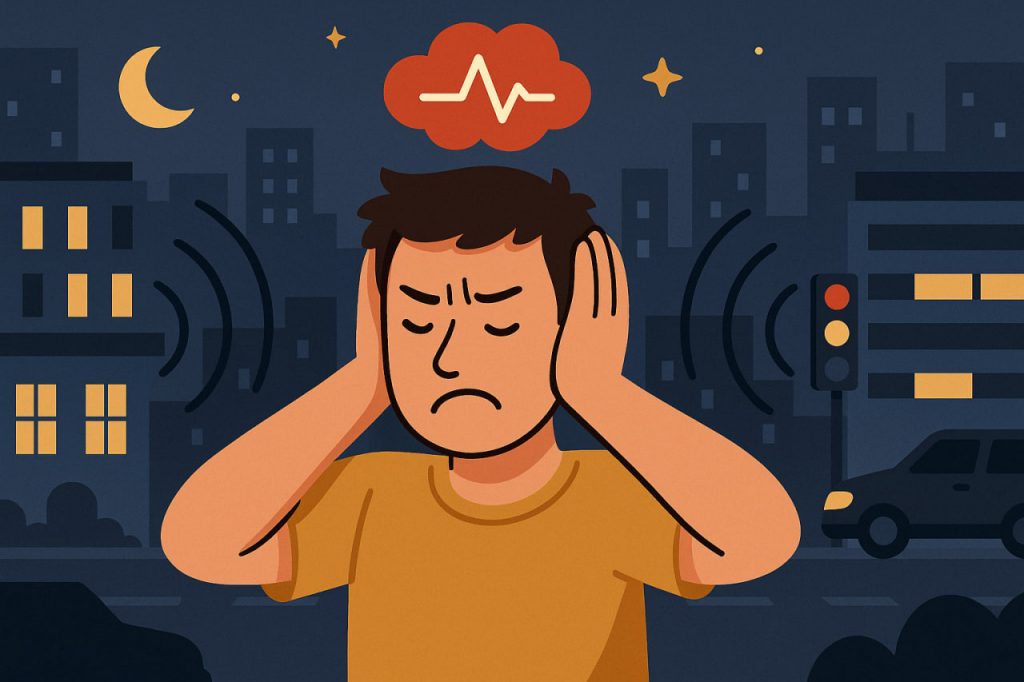
Cortisol, often called the “stress hormone,” plays an important role in regulating metabolism, immune function, and the body’s response to stress. While short bursts of cortisol can be beneficial, chronic…
Sleep quality depends not only on duration but also on environmental conditions — and darkness plays a key role. Our bodies are naturally programmed to rest when it’s dark, and…
Choosing a workout plan that suits your body type can help maximize results, reduce the risk of injury, and make training more enjoyable. While individual differences matter, fitness experts often…
A contrast shower is a hydrotherapy method that alternates between hot and cold water. This simple practice has been used for decades to boost circulation, strengthen the immune system, and…
Iodine is a trace mineral essential for the production of thyroid hormones, which regulate metabolism, growth, and development. Although needed in small amounts, insufficient iodine intake can lead to serious…
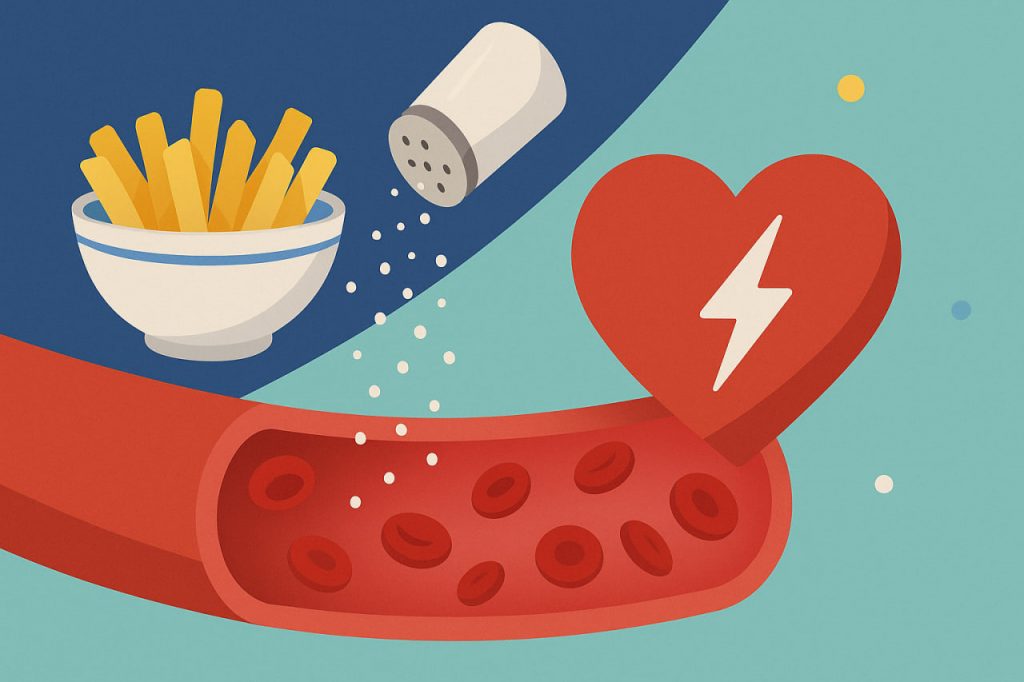
Excessive salt (sodium chloride) intake is a common dietary issue worldwide and is closely linked to cardiovascular health. While sodium is essential for normal body functions, too much of it…
Coffee is one of the most widely consumed beverages in the world, enjoyed for its rich flavor and stimulating effects. Research over the past decades has shown that coffee not…
Protein is an essential nutrient that plays a crucial role in building and repairing tissues, producing enzymes and hormones, and maintaining muscle mass. Without adequate protein, the body’s ability to…
Posture refers to the way we hold our body while sitting, standing, or moving. Good posture keeps bones and joints in proper alignment, reducing strain on muscles and ligaments. However,…
Restless Legs Syndrome (RLS) is a neurological condition characterized by an uncontrollable urge to move the legs, often accompanied by uncomfortable sensations. These symptoms usually worsen in the evening or…