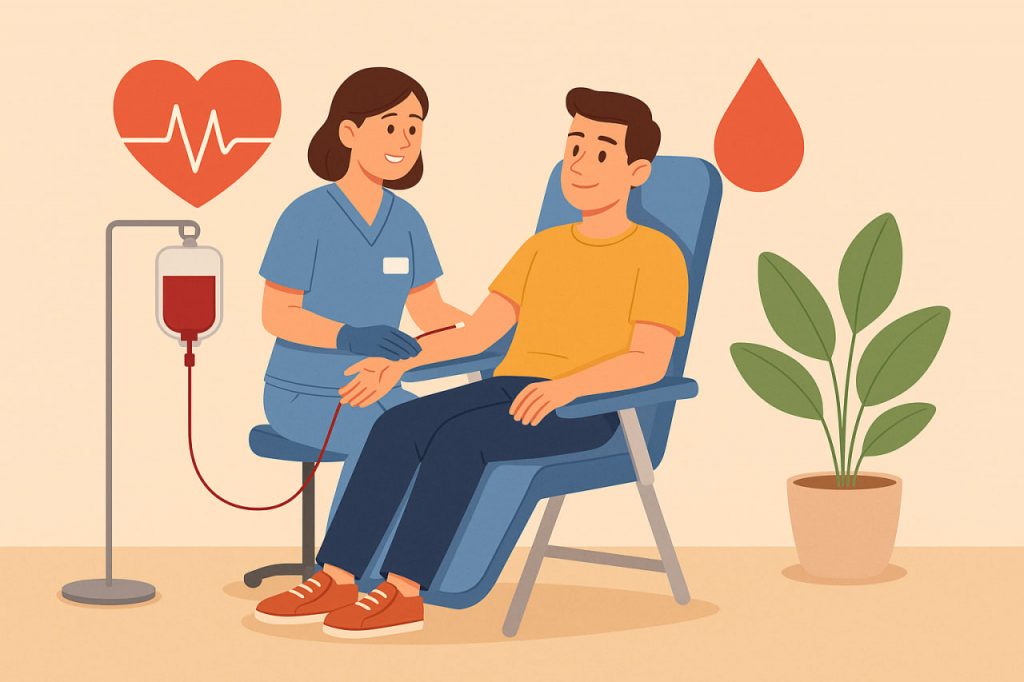
Donating blood is a simple yet powerful act that saves lives. Every year, millions of people around the world require blood transfusions due to surgery, trauma, childbirth complications, or medical…
Blood is one of the most vital fluids in the human body, making up about 7–8% of body weight. It flows through an intricate network of blood vessels, delivering oxygen…
The circulatory system is one of the body’s most vital networks, ensuring that every organ and cell receives oxygen, nutrients, and protection. At the core of this system are the…
Cinnamon is one of the oldest known spices, valued for its rich aroma, sweet-warm flavor, and medicinal properties. It is obtained from the inner bark of trees from the genus…
Food preparation techniques have a direct impact on the taste, texture, and even nutritional value of a dish. One of the most common culinary practices is chopping or cutting foods…
An oral irrigator (also called a water flosser) is a modern dental device designed to clean the spaces between teeth and along the gum line using a jet of water…
A modern pressure cooker is a kitchen appliance designed to cook food quickly under high pressure. Unlike traditional cooking methods, which rely on normal boiling, the pressure cooker creates a…
Butter is one of the oldest dairy products, used in cooking for thousands of years. With its rich taste, creamy texture, and versatility, it remains a staple in many cuisines.…
The difference in breast size between women and men is one of the most distinct physical traits of human biology. While both sexes are born with breast tissue and mammary…
Microplastics are tiny plastic particles smaller than 5 millimeters, while nanoplastics are even smaller, less than 1 micrometer. These particles are found in the air, water, food, and even inside…